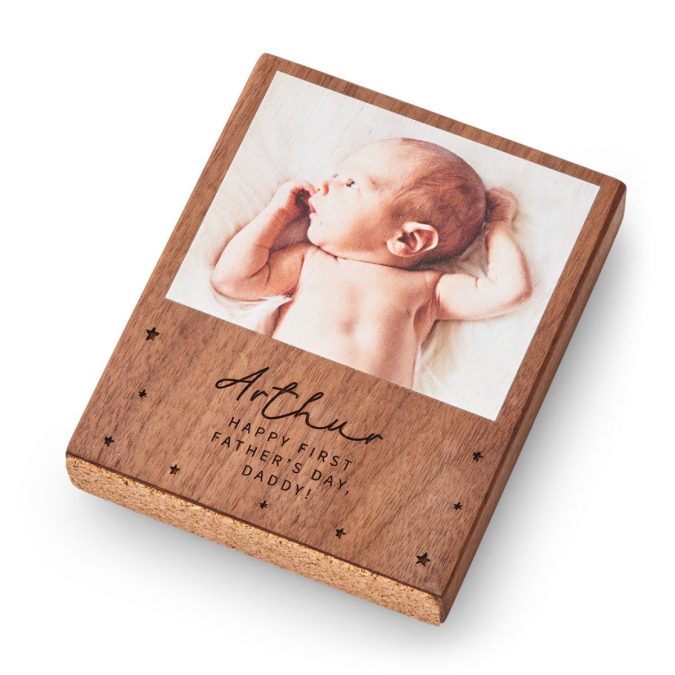
Despite Father’s Day traditionally being a busy time for high street retailers, new survey results reveal that less than 2% of shoppers head to the high street for inspiration for their Father’s Day gifts.
Personalised handmade gifting company, Create Gift Love, surveyed over 1000 people buying gifts for Father’s Day on their buying habits. The findings shine a light on the current struggle faced by high-street stores across Britain and raise important questions about the future of physical retail.
Tony Carr (39), co-founder of Create Gift Love with wife Emily Carr (39), in Ringwood Hampshire said, “It was a shock to see the survey results paint such a bleak picture for the future of retail stores in Britain, as more and more consumers turn to the convenience of online shopping.”
The survey highlighted that it’s not just about convenience as 88% of buyers turn to online articles or search engines to get inspiration for their Father’s Day gift. And there’s a lot of us struggling for ideas, 78% of Brits struggle for inspiration when it comes to gifts for their dads.
Carr continues: “And I think that’s the crux of it, if people don’t know what to get, they wouldn’t know which shop to look in, so the high street just doesn’t make sense. They go online, they search ‘what to get the dad that has everything’ or ‘what to get dads that love music’, whatever it is, and this returns a search or articles tailored to them. Then, once they’ve found the perfect present online, it’s only a click away rather than a trip to the shops.”
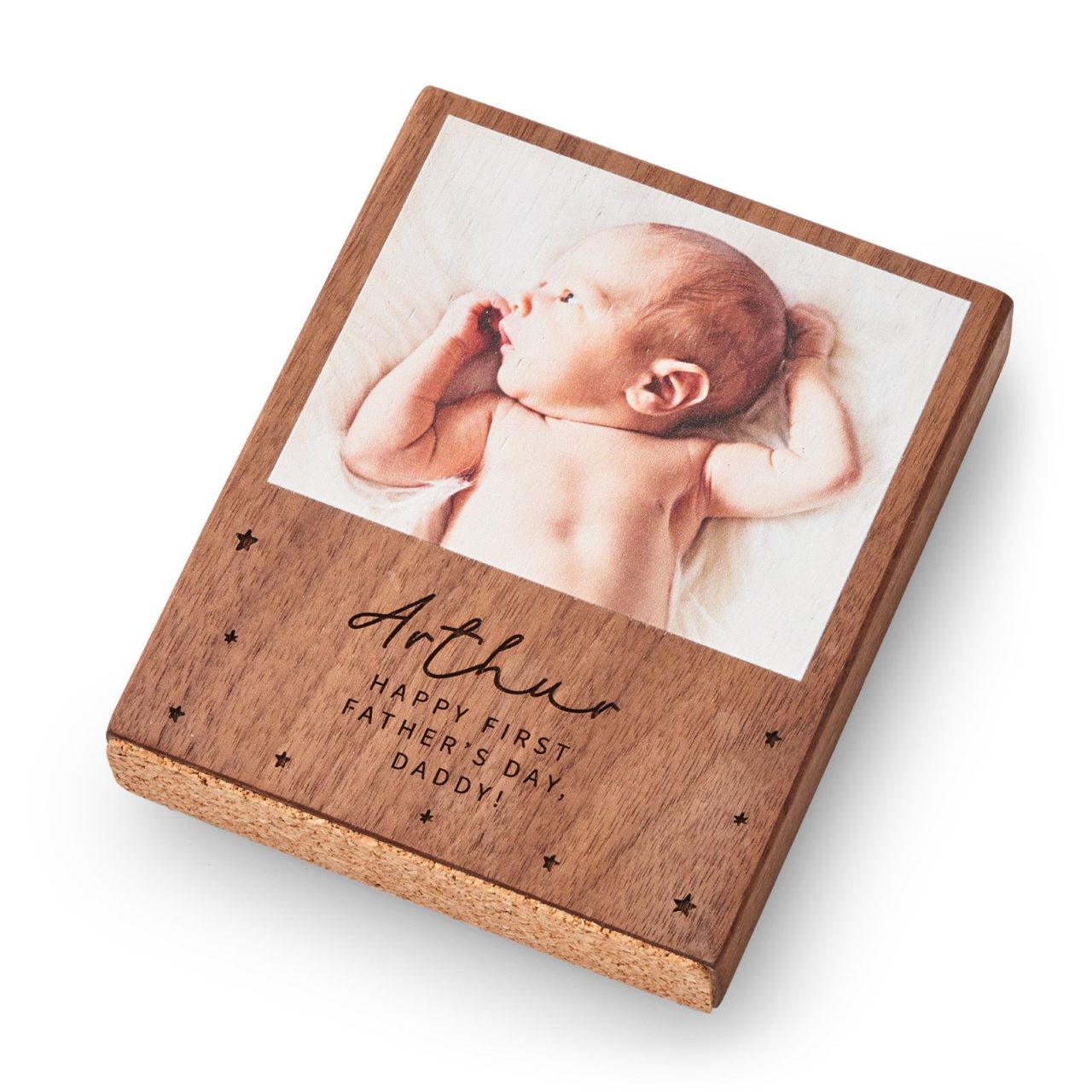
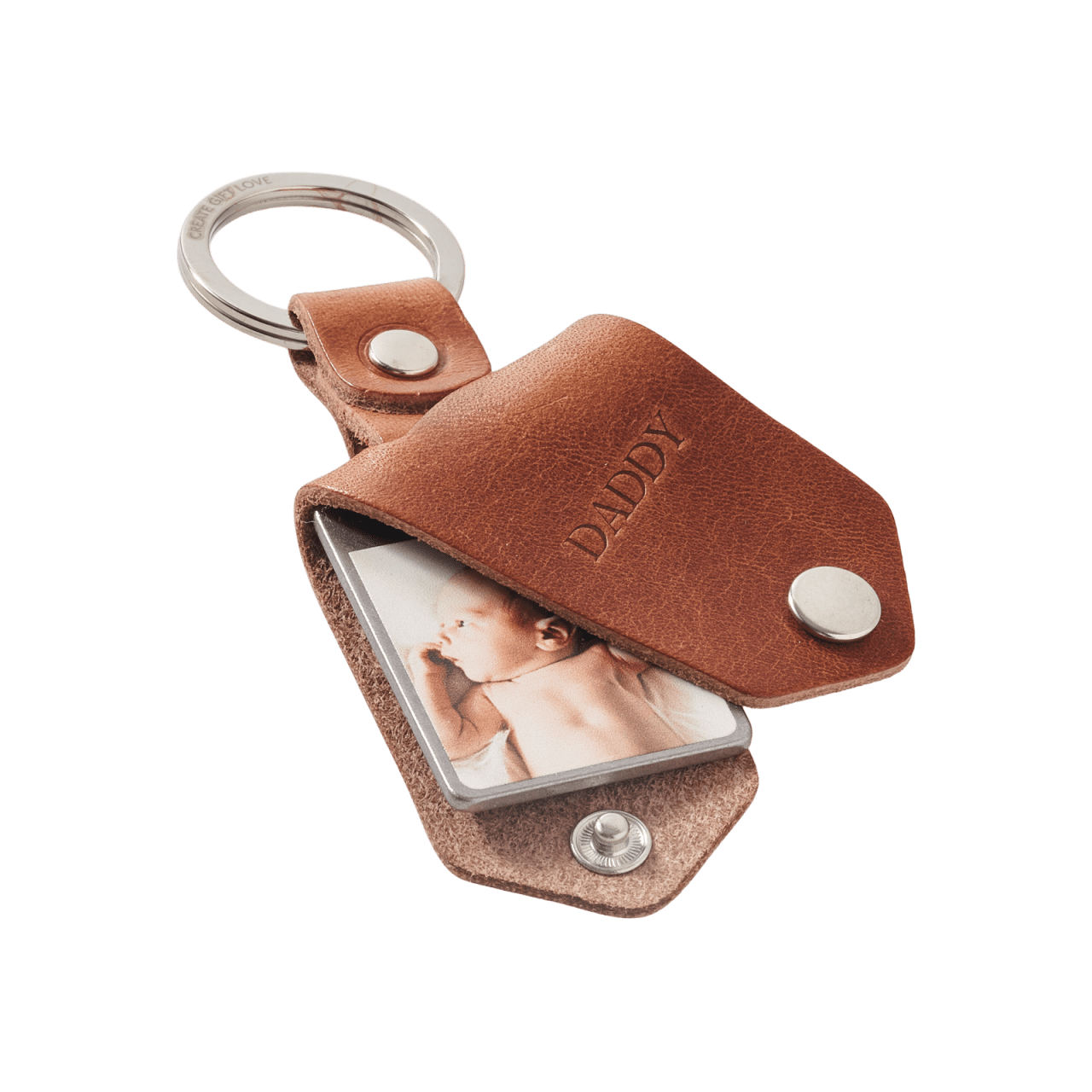
When it came to what people were buying their dads, over three-quarters (78%) said they would choose to buy a personalised gift over a non-personalised one.
With the exponential rise of the personalised gift, it makes even more sense that buyers are abandoning the high street. To get those handmade, personalised gifts in real life is virtually impossible, people have to go online to add that personal touch.
As for the future of the high street, a recent government report about the state of the highstreet concludes that across the country, the changing nature of retail is changing our high streets and town centres. Sir John Timpson comments “Town centres are evolving and retail will not return to the high streets that existed 10 or 20 years ago. A combination of internet shopping, the convenience of out of town retailing and an exceptional number of well-established retail formats reaching the end of their commercial life cycle, has led to a marked increase in empty shops and a decline in footfall.”
Hope for the high street is not all lost though. The UK government has set up a task force of expert panellists who are now making recommendations as to how towns and cities can and must adapt to keep pace with the changing consumer trends.
As Carr concludes, “We don’t think of the high street as dying, we think of it as transforming and evolving. It’s not about shopping because you need something, it’s about the experience now. High streets are seeing increased entertainment, hospitality, and art venues coming in where shops used to be. It’s a new chapter for the high street, and if we manage the transition well, an exciting one – you never know perhaps there’ll be a Create Gift Love in every city enabling people to personalise their gifts, experience the workshops and meet our craftspeople!”