Home Blog

More reaction after plans revealed for major new solar farm near Burton Joyce bypass

Residents have reacted to news over plans for a vast new solar farm next to Burton Joyce bypass.

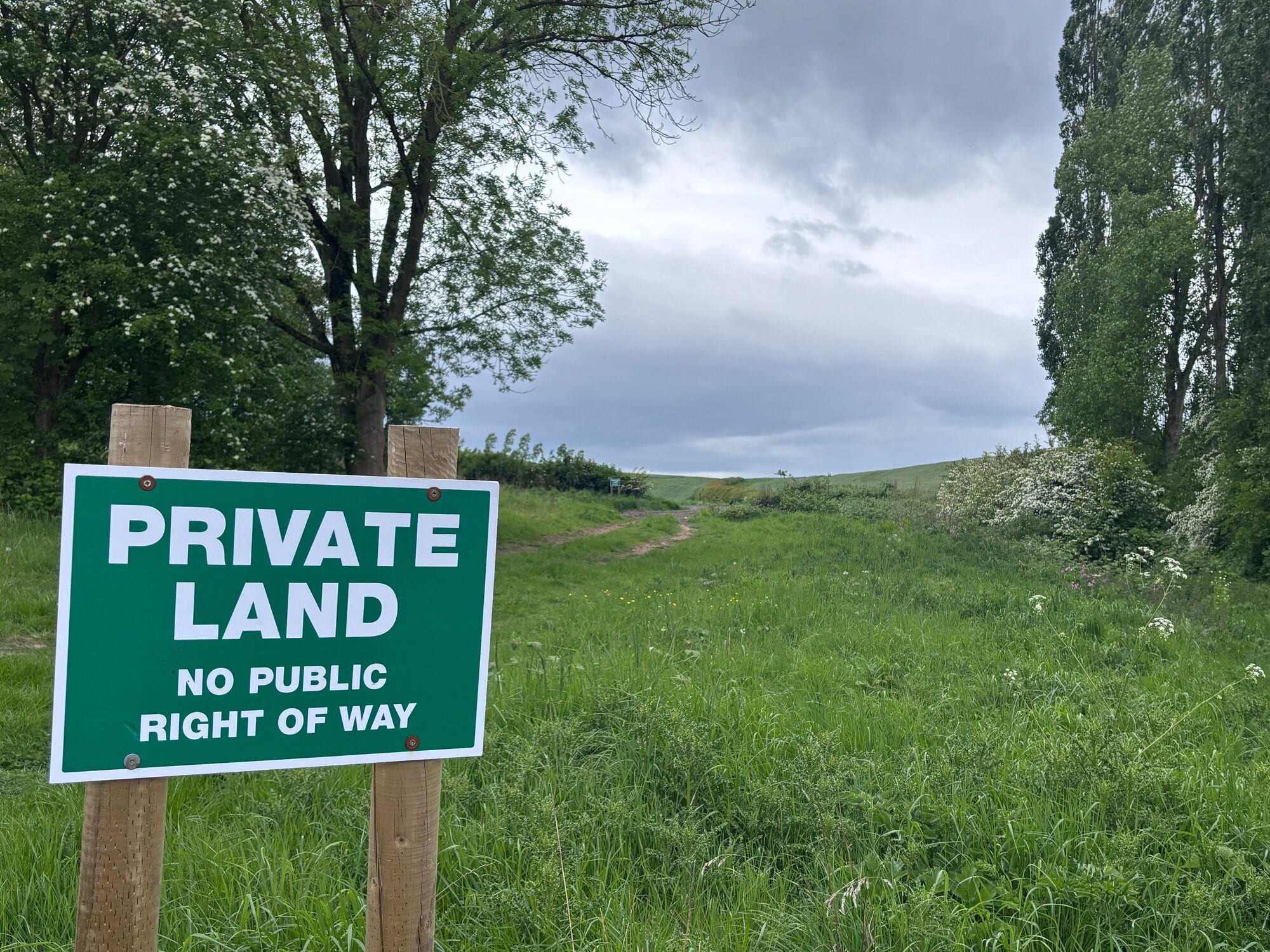
Renewable energy company Perigus Energy is preparing to submit formal plans for a new solar scheme on farmland next to Gedling Woods and the Colliery Way bypass, on the edge of Burton Joyce.

The project has been named Barrons Solar Farm and, while nothing is set in stone at this stage, around 220 acres of land could end up being used to house a new solar plant designed to power around 16,000 homes each year.

Before the firm submits its final proposals to Gedling Borough Council, officials want to hear the thoughts and opinions of village residents, with a public consultation currently running until Monday, June 8, to gather responses.

Some village residents have welcomed the potential plans, saying it is a step towards more ‘energy security’ for the country following the price hikes of fuel in the wake of the Iran war.

One villager, who has lived in Burton Joyce and asked not to be named, said: “If anything, the last couple of months have reminded us of how dependent we are of getting energy elsewhere on the planet and have less control over our economy.

“If someone’s got land, and not doing something about it, I’d rather a solar farm than more houses.

“It’s not got the same environmental footprint as fossil fuels and the more energy generated at home, the better.”

Julie Smith, 71, who has lived nearby the fields for 10 years, called a new solar farm a “logical step”.

She said: “I don’t see how it could impact us in anyway – if it made electricity cheaper that’d be good.

“Out of [housing or a solar farm] we’d sooner have a solar farm – even the people that would back onto it, if they plant trees in the right way they won’t see it.”

Professor Clive Thomas, 85, who has lived in the village for about 25 years, said the scheme was an ‘excellent idea’.

He said: “We’ve got to have electric – we can’t remain with oil – it’s better than fields of rapeseed.

“It’s a very beautiful village, the people are very friendly. It doesn’t make any difference – nobody goes up there, it’s just a farmer.”

However, one resident, who asked not to be named, said those living next to the land “would be against it”.

He said: “People don’t want that. We’re all [living here] because we pay good money to be here.

“We’ve all come here because of the peace and quiet and where there is no affect on us whatsoever – it makes the house prices go down.”

Perigus Energy’s plans outline the site would generate up to 49.9 megawatts of clean renewable electricity and would reduce the reliance on imported energy.

The energy company says because the land has gentle slopes, is near the woods and has established field boundaries, then the project could be integrated ‘senstively’.

It says existing hedges and boundaries would be kept where possible and enhanced, reducing the visual impact of the development and helping local wildlife.

Gedling Borough and Nottinghamshire County Councillor, Mike Adams (Con), who represents the area, said he was “encouraging residents to get involved in the consultation”.

He said: “It needs to go up to public consultation and the residents need to give their views – that’s got to be key.

“If the residents want it, have voiced their opinion and are happy with it, then as a representative of their council I will back it.”

As part of the consultation, the company is running an in-person exhibition at Burton Joyce and Bulcote Village Hall on Saturday, May 16 – between 10am and 2pm – to show residents the plans and speak directly with them.

Details about of the proposals, along with an online feedback form, are available at www.barronssolar.co.uk.

‘Plan ahead’ advice issued to passengers travelling to Skegness on train this summer

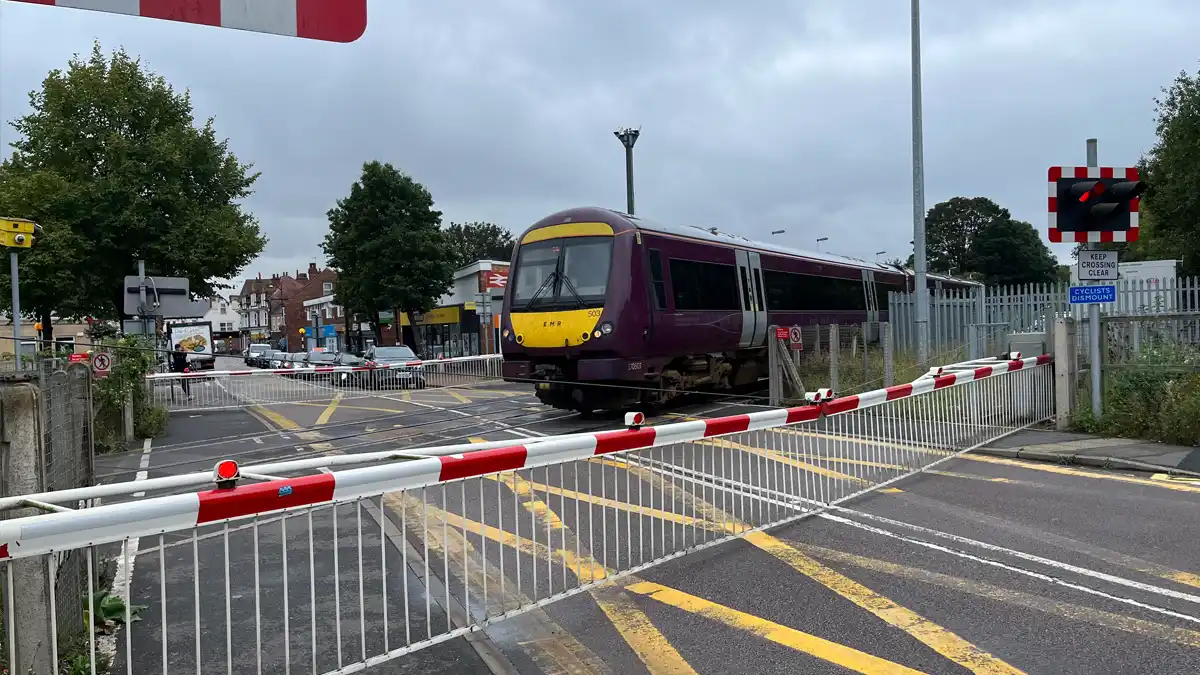
East Midlands Railway (EMR) is urging passengers in the borough to book to guarantee their space for trips to Skegness this summer, as the operator prepares for another busy seaside season.

EMR will introduce additional capacity on its Nottingham to Skegness route from May 2026, providing thousands more seats each week to help meet demand. However, passengers who do not book ahead may not be able to board their preferred service. 

Across the summer timetable, four out of five services will operate with four-car trains, with the remaining services running as three-car trains on key days. This will deliver an increase of more than 13,000 extra seats per week between Nottingham and Skegness.

Despite the additional capacity, passengers are being strongly advised to book in advance – particularly for travel on Fridays, Saturdays and Mondays – to guarantee their space to the seaside.

Reservations will be mandatory on the busiest days to ensure customers have a confirmed place before travelling.

Customers are also being reminded to travel light where possible. Space for luggage on trains is limited. EMR recommends bringing only one bag per person to ensure it can be safely stowed on board.

Smaller bags can be stowed in the luggage racks above their head (maximum size 55cm(h) x 40cm(w) x 20cm).

Holdalls can be stored between the sets of seats. Larger bags will need to be placed into designated luggage areas. Staff will be on hand to help load luggage at Nottingham and Skegness on key days.

Philippa Cresswell, Customer Experience Director at East Midlands Railway, said: “We know how popular Skegness is during the summer months, and we’re pleased to be able to offer more seats for customers this year.

“However, trains are still expected to be very busy – especially at weekends- so it’s essential that customers plan ahead and book in advance to guarantee their journey.

“By reserving a space and choosing quieter services where possible, customers can enjoy a smoother and more comfortable trip to the seaside. 

“Likewise, we strongly advise to only bring what you need and pack light.”

Customers can book tickets and reserve seats via the EMR website or app.

One year of Reform runnuing Nottinghamshire

It has been a little more than a year since Reform UK took control of 10 councils in 2025’s local elections. In Nottinghamshire, the group’s first term has seen ups and downs.

Reform stormed Nottinghamshire County Council last May, ending up with 41 out of 66 seats, ousting the Conservatives after nearly a decade in power.

Its momentum has continued locally since then, with former Conservative County Council leader Ben Bradley defecting to Nigel Farage’s party in December 2025, followed by former Tory Newark MP Robert Jenrick’s defection in January 2026 and Bassetlaw district councillor Simon Richardson’s defection in February.

The party also managed to nab 14 more councils in the wider May 2026 local elections, gaining an additional 1,453 seats.

With the Reform wave still going strong, how has one of its early councils performed in its first year?

The lowest council tax rise in a decade – but not a freeze as promised

Around the beginning of each year, residents anticipate what council tax hike their local authority will serve them with – and Nottinghamshire’s Reform took a modest approach when setting its first budget for 2026/27.

In February, the Reform-led Nottinghamshire County Council approved one of the lowest council tax rises at the authority in the last decade at 3.99 per cent – lower than the Tories’ approved 4.84 per cent increase the year before.

The rise appeared respectable amongst other authorities led by the party, with neighbouring Derbyshire’s increase of 4.9 per cent, Kent’s increase by the same, Lincolnshire’s rise of 2.9 per cent and Worcestershire’s dramatic hike of nearly 9 per cent.

But the increase was met with criticism at the time from the Conservative opposition, who called it ‘broken promises’ on the back of previous Reform campaign leaflets promising a council tax freeze.

Finding millions in savings – but some say the plans are ‘built on sand’

Along with its approved council tax rise, Reform also passed its first budget at the authority for the 2026/27 financial year.

Its budget is £880 million for this year, which is an overall increase of £212 million in spending compared to the year before.

Shortly after winning the 2025 election, council leader Mick Barton, his cabinet, and the council’s officers began their own efficiency review to find cost savings amid continued budget pressures.

The group’s first budget included the ambitious plans to find and save £44.2 million of ‘efficiencies’ over the next three financial years, aiming to find £18 million of savings this year, £15 million the year after and another £10 million the year after that.

In terms of where the savings will come from, £21.3 million will come from the adult social care department over the three-year period, whilst £17 million will come from the children and families department, and £1 million will come from its contract with Via.

The authority already announced it saved around £1.6 million in agency staff reductions earlier this year.

Conservative opposition leader Councillor Sam Smith previously said the savings plan was “built on sand”, and that the authority had given away little detail on how it would achieve the plan or whether any of it had started to come to fruition.

In March, the authority’s leader Mick Barton maintained no “cost-cutting” was involved in the savings goal, saying his council had already identified a £2.3 million saving in post-16 school transport, £170,000 in cutting post-16 Catholic school transport and £208,000 in pre-16 school transport changes.

If Reform wishes to avoid hiking council tax up by the maximum in the coming years, it will be influenced by how successful this cash-saving plan is.

Thousands of pounds spent on new Union Flag banners – and little interest in sponsoring them

One of Nottinghamshire Reform’s more controversial decisions was its £75,000 spend on erecting 164 Union Flag banners across the county.

The announcement was made back in October 2025 and the total cost includes the banners, money for brackets, traffic management and cherry pickers.

Opposition members have called the venture a waste of taxpayer money, but council leader Mick Barton has maintained it is a “long-term” investment and has the chance to bring in money for the authority.

Reform’s aim is for some of the banners to be sponsored by businesses, who can use them to advertise their services, which could bring in a return for the authority.

So far, no sponsorships have been confirmed for the banners, with the council responding to an FOI submitted by the Local Democracy Reporting Service in April that it had a “small number of enquiries” from organisations.

A ‘record level’ of investment into the county’s deteriorating roads

Nottinghamshire Reform was clear leading up to the 2025 local elections that fixing the county’s crumbling, deteriorating roads was one of its top priorities.

It cemented this stance in early 2026 when it announced in March it would be pumping in a “game-changing” £122.5 million investment into fixing its highway network.

The following month, this pot climbed to £181.25 million for 2026/27, with an extra £58 million as part of its ‘second phase’ of investment – the most money the authority has ever invested into Nottinghamshire roads in a single year.

Both of these cash pots came after the council announced in February its £2 million emergency spend on fixing the county’s most dire roads.

At the end of April, the authority unveiled two of the JCB Pothole Pro machines that it was leasing in its plight to mend roads.

They are designed to carry out 200 to 250 metres worth of work each day and the machines have been trialled by neighbouring Reform-run authorities in Derbyshire and Lincolnshire, typically costing between £150,000 and £200,000.

Residents can expect to see the new machines on Nottinghamshire roads this May and, if feedback is strong, the authority will consider permanently buying two vehicles and possibly even more.

A difficult relationship with the local media that made global headlines

Reform UK has recently made headlines again regarding press freedom and scrutiny after the party’s Ipswich chairman, Shayne Pooley, stated its newly elected councillors in the area would not be speaking to the media, publicly writing “neither we or the voters need you”.

This is not the first press ban instigated by party members, where reporters at the Nottingham Post, and its online arm Nottinghamshire Live, dealt with similar circumstances in August 2025.

It followed unhappiness from Reform’s Nottinghamshire County Council leadership about an article on local government reorganisation, which contained a claim that those not voting for council leader Mick Barton’s preference on the issue could be suspended.

It meant reporters were removed from the council’s distribution list, were stopped from being invited to council events and were banned from speaking to Councillor Barton. This also affected speaking with other Reform members.

The ban was partially lifted for the publication’s three BBC-funded Local Democracy Reporters following a private meeting between two of the reporters and the authorities’ cabinet in September 2025, and then lifted in full for the entire publication in early October following a legal challenge.

Police launch murder investigation after 26-year-old man hit by car in Arnold town centre dies

A murder investigation is now underway following the death of a man who was hit by a car at the weekend in Arnold.

Multiple pedestrians were injured after a red Vauxhall Astra mounted a kerb and struck a group of people in the town centre.

One of the pedestrians – who can now be named as Tyler Fairman – sustained life-threatening injuries during the incident.

The 26-year-old was immediately rushed to hospital following the collision in Market Place, at 1.12am on Saturday (9).

Despite the best efforts of medical professionals, Tyler was pronounced dead a few days later, on Tuesday (12) night.

Suspect Duane Anthony was arrested on the Saturday evening and charged with five counts of attempted murder on Monday (11) morning. 

The 40-year-old was additionally charged with aggravated vehicle taking, driving while disqualified and driving without valid insurance.

Anthony was remanded into custody on Monday. He is currently next due to appear at Nottingham Crown Court on 8 June.

Detective Chief Inspector Ruby Burrow, who is leading the investigation for Nottinghamshire Police, said: “As we release the sad news of Tyler’s death, our first thoughts go to his family and loved ones at this difficult time.

“Both they and the other people injured or affected by this collision continue to be supported by specially trained police officers.

“We can also confirm today that this is now a murder investigation.

“As such, criminal proceedings are active, so anything relating to this incident should be shared with the police, not online, as doing so could potentially impede the pursuit of justice.

“We are aware of videos of the incident circulating on social media and have informed the victims and their families of this.

“They have appealed to anyone who has shared or posted any such videos to take them down immediately so that Tyler’s family can grieve in peace.”

Anyone who witnessed what happened or has any information relating to the incident should please call 101, quoting incident 46 of 9 May 2026.

Reminder over train timetable changes being introduced by East Midlands Railway this weekend

East Midlands Railway (EMR), introduce a number of timetable changes across its network from this Sunday (17) – including new Sunday services on the Robin Hood Line – which includes Newstead.

As part of the May timetable change, EMR will introduce six new Sunday services between Nottingham and Mansfield Woodhouse – boosting the number of services that call at Newstead.

The new services will depart:

From Nottingham

  • 10:06
  • 12:06
  • 14:06

From Mansfield Woodhouse

  • 11:06
  • 13:06
  • 15:06

The timetable change will also introduce an additional call at Netherfield on the 10:03 Nottingham to Skegness on weekdays and Saturdays.

Will Rogers, Managing Director at East Midlands Railway, said: “The new Sunday services on the Robin Hood Line will give communities along the route more flexibility to travel at weekends, while also helping to support local businesses and the Sunday economy.

“Alongside this, the additional stops and increased capacity on key leisure routes will help make it easier for customers to travel for days out, holidays and visits to friends and family.”

New vehicle to help police tackle rural crime across the borough

A brand-new vehicle will soon be in use across the borough to support police efforts to tackle rural crime and anti-social behaviour (ASB).

The all-terrain vehicle (ATV) is the first of its type to be deployed by us in the region – designed to handle any landscape, even in the toughest of conditions.

Officers covering rural areas will have access to the equipment so they can reach more remote and challenging areas, and in turn respond to reports of crime more efficiently.

The ATV will join our existing fleet of off-road 4x4s, quad bikes, and off-road bikes already available to officers.

The vehicles have been funded through the Office of the Police and Crime Commissioner for Nottinghamshire’s Safer4All grants.

Chief inspector Clive Collings, Nottinghamshire Police’s rural and wildlife crime lead, said: “We know that crime and anti-social behaviour are a concern for many across living and working across rural Nottinghamshire and can have a devastating impact on the livelihoods of people within those communities.

“This all-terrain vehicle will enhance our ability to prevent and detect crime, improve the quality of life within rural areas and help protect livestock, wildlife and the county’s green spaces. We see this as a vital tool in keeping rural areas safe for all.

“Tackling rural crime remains a priority for us. I encourage members of the community to speak up and work with us to help tackle these issues.

“If you are a victim of rural crime, please report it to by calling 101, or reporting online through the website.

“The more you report, the more action we can take.”

Roadworks and closures planned for Gedling borough this week

Take a look at the roadworks and closures scheduled for Gedling borough’s roads for the week beginning May 11.

Make sure to plan your journey and check before your travel as these planned works could affect you. 

Gretton Road, Woodthorpe
15 May
Road closure
Responsibility for works: Severn Trent Water

Mansfield Road, Daybrook
17 May – 18 May
Roadworks, Delays likely
Responsibility for works: Severn Trent Water

Park Road, Carlton
15 May – 20 May
Road closure
Responsibility for works: Nottinghamshire County Council

Ravenswood Road, Arnold
12 May – 18 May
Road closure
Responsibility for works: Nottinghamshire County Council

Ashwater Drive, Mapperley
13 May – 14 May
Roadworks, Delays possible to refresh road markings at junction Chedington Avenue
Responsibility for works: Nottinghamshire County Council

Ballantrae Close, Arnold
14 May – 18 May
Roadworks, Delays possible
Responsibility for works: Openreach

Beech Avenue, Woodthorpe
14 May – 15 May
Roadworks, Delays possible
Responsibility for works: Nottinghamshire County Council

Berriedale Close, Arnold
15 May
Roadworks, Delays possible
Responsibility for works: Nottinghamshire County Council

Connelly Close, Arnold
14 May – 18 May
Roadworks, Delays possible
Responsibility for works: Openreach

Darlton Drive, Arnold
13 May
Roadworks, Delays possible
Responsibility for works: Openreach

Foxwood Lane, Woodborough
15 May – 18 May
Roadworks, Delays possible
Responsibility for works: Nottinghamshire County Council


Green Lane, Lambley
14 May – 15 May
Roadworks, Delays possible
Responsibility for works: Nottinghamshire County Council

Hillside Avenue, Mapperley
15 May – 18 May
Roadworks, Delays possible
Responsibility for works: Nottinghamshire County Council

Main Street, Papplewick
15 May
Roadworks, Delays possible
Responsibility for works: Nottinghamshire County Council

Mapperley Plains, Arnold
14 May – 15 May
Roadworks, Delays possible
Responsibility for works: Nottinghamshire County Council

Moor Road, Papplewick
13 May – 15 May
Responsibility for works: Severn Trent Water

Park Lane, Lambley
14 May – 15 May
Roadworks, Delays possible
Responsibility for works: Nottinghamshire County Council

Robinson Road, Mapperley
14 May – 15 May
Roadworks, Delays possible
Responsibility for works: Nottinghamshire County Council

Shelford Road, Gedling
14 May – 15 May
Roadworks, Delays possible
Responsibility for works: Nottinghamshire County Council

Shelt Hill, Woodborough
15 May – 18 May
Roadworks, Delays possible
Responsibility for works: Nottinghamshire County Council

Spring Lane, Lambley
14 May – 15 May
Roadworks, Delays possible
Responsibility for works: Nottinghamshire County Council

Station Road, Burton Joyce
17 May – 24 May
Roadworks, Delays possible
Responsibility for works: Nottinghamshire County Council

Thrapston Avenue, Arnold
14 May – 16 May
Roadworks, Delays possible
Responsibility for works: Openreach

VMS Solutions: A Game Changer for Healthcare Staffing

0

Healthcare staffing has always been a complex process. Hospitals and clinics need the right professionals at the right times and often on short notice. Balancing schedules, credentials, and patient needs can quickly become chaotic and overwhelming. That’s why many organizations are turning to smarter tools to simplify and improve the process.

One of the most effective tools gaining attention today is VMS for locum tenens. A VMS helps healthcare facilities organize, track, and manage their staffing needs in one central place. This is especially helpful when working with temporary providers. It helps make the entire process smoother and more efficient.

What Is a VMS?

A vendor management system is a digital platform designed to streamline staffing operations. Instead of juggling multiple emails, spreadsheets, and phone calls, everything is managed through one system. With a VMS, healthcare facilities can post job openings, review candidates, track assignments, and manage communications with staffing agencies. This level of organization helps reduce confusion and ensures that nothing falls through the cracks.

Simplifying the Hiring Process

One of the biggest advantages of a VMS is how it simplifies hiring. Traditionally, filling a position could take days or even weeks, especially when coordinating with multiple agencies. A VMS speeds up this process by allowing facilities to share job openings instantly with approved vendors. Agencies can quickly submit qualified candidates, and hiring managers can compare options side by side. That makes it easier to choose the best fit in less time.

Increasing Transparency and Control

Transparency is another key benefit of using a VMS. Healthcare organizations can see exactly what’s happening at every stage of the staffing process. From pay rates to candidate statuses, everything is clearly documented. That helps reduce misunderstandings and ensures that all parties are on the same page. It also gives administrators greater control over budgets and staffing decisions.

Improving Compliance and Credential Tracking

In healthcare, compliance is crucial. Every provider must meet strict licensing and credential requirements before starting work. A VMS helps manage this by keeping all necessary documents in one place. It can send reminders for expiring licenses, track certifications, and ensure that every professional meets the required standards. This reduces risks and helps maintain high-quality care for patients.

Supporting Locum Tenens Staffing

Locum tenens providers play an important role in filling temporary gaps, whether they’re due to staff shortages, vacations, or unexpected upticks in demand. However, managing these assignments can be challenging without the right system in place. A VMS makes it easier to coordinate locum tenens staffing by organizing schedules, tracking assignments, and maintaining clear communication between facilities and agencies. That leads to better coverage and fewer disruptions in patient care.

Saving Time and Reducing Costs

Efficiency isn’t just about speed; it also impacts cost. By streamlining staffing processes and reducing manual work, a VMS helps healthcare organizations save both time and money. Having fewer administrative tasks means staff members can focus on more important responsibilities. At the same time, better oversight helps prevent overspending and ensures that resources are used wisely.

A Smarter Way Forward

As healthcare continues to evolve, the need for flexible and efficient staffing solutions will only grow. VMS platforms offer a modern approach that helps facilities stay organized, responsive, and prepared. By simplifying hiring, improving transparency, supporting compliance, and providing other benefits, VMS solutions are truly changing the way healthcare staffing works. For facilities that are looking to keep up with demand while maintaining quality care, adopting a VMS can be a smart and practical step forward.

VMS Solutions: A Game Changer for Healthcare Staffing

Healthcare staffing has always been a complex process. Hospitals and clinics need the right professionals at the right times and often on short notice. Balancing schedules, credentials, and patient needs can quickly become chaotic and overwhelming. That’s why many organizations are turning to smarter tools to simplify and improve the process.

One of the most effective tools gaining attention today is VMS for locum tenens. A VMS helps healthcare facilities organize, track, and manage their staffing needs in one central place. This is especially helpful when working with temporary providers. It helps make the entire process smoother and more efficient.

What Is a VMS?

A vendor management system is a digital platform designed to streamline staffing operations. Instead of juggling multiple emails, spreadsheets, and phone calls, everything is managed through one system. With a VMS, healthcare facilities can post job openings, review candidates, track assignments, and manage communications with staffing agencies. This level of organization helps reduce confusion and ensures that nothing falls through the cracks.

Simplifying the Hiring Process

One of the biggest advantages of a VMS is how it simplifies hiring. Traditionally, filling a position could take days or even weeks, especially when coordinating with multiple agencies. A VMS speeds up this process by allowing facilities to share job openings instantly with approved vendors. Agencies can quickly submit qualified candidates, and hiring managers can compare options side by side. That makes it easier to choose the best fit in less time.

Increasing Transparency and Control

Transparency is another key benefit of using a VMS. Healthcare organizations can see exactly what’s happening at every stage of the staffing process. From pay rates to candidate statuses, everything is clearly documented. That helps reduce misunderstandings and ensures that all parties are on the same page. It also gives administrators greater control over budgets and staffing decisions.

Improving Compliance and Credential Tracking

In healthcare, compliance is crucial. Every provider must meet strict licensing and credential requirements before starting work. A VMS helps manage this by keeping all necessary documents in one place. It can send reminders for expiring licenses, track certifications, and ensure that every professional meets the required standards. This reduces risks and helps maintain high-quality care for patients.

Supporting Locum Tenens Staffing

Locum tenens providers play an important role in filling temporary gaps, whether they’re due to staff shortages, vacations, or unexpected upticks in demand. However, managing these assignments can be challenging without the right system in place. A VMS makes it easier to coordinate locum tenens staffing by organizing schedules, tracking assignments, and maintaining clear communication between facilities and agencies. That leads to better coverage and fewer disruptions in patient care.

Saving Time and Reducing Costs

Efficiency isn’t just about speed; it also impacts cost. By streamlining staffing processes and reducing manual work, a VMS helps healthcare organizations save both time and money. Having fewer administrative tasks means staff members can focus on more important responsibilities. At the same time, better oversight helps prevent overspending and ensures that resources are used wisely.

A Smarter Way Forward

As healthcare continues to evolve, the need for flexible and efficient staffing solutions will only grow. VMS platforms offer a modern approach that helps facilities stay organized, responsive, and prepared. By simplifying hiring, improving transparency, supporting compliance, and providing other benefits, VMS solutions are truly changing the way healthcare staffing works. For facilities that are looking to keep up with demand while maintaining quality care, adopting a VMS can be a smart and practical step forward.

Annual Leave Strategies for a More Balanced Life

The way we work has changed in the last few years. Where once we shut down our desktop computer and went home, hybrid working has increased the likelihood of us logging onto the work laptop after hours. Add to that, the use of workplace messaging apps on our personal phones and it can feel like our professional life is merging into the personal.  

With burnout becoming one of the UK’s biggest workplace concerns, time away from our workload has never been so important. When you use your annual leave strategically, you give your brain space to recover properly and return to work with more energy instead of running on empty.

Here are some ways to maximise your leave and boost your wellbeing.

Master the 16-day stretch hack

By synchronising your leave with bank holidays in the UK, you can make the most of your annual leave. There are several still to take in 2026, from the August bank holiday to the ones over the festive break.

To fully benefit, try looking towards Easter 2027 to maximise your freedom. Next year, Good Friday falls on 26 March and Easter Monday on 29 March. If you book eight days of leave between 22 March and 2 April, the surrounding weekends and public holidays give you 16 consecutive days off.

This long break matters because it gives you time to fully let go of work notifications and mental to-do lists. By securing a two-week window, you enjoy an extended period of rest.

High-altitude holidaying: The skiing reset

Booking a winter getaway now can give you something to focus on and look forward to. This could be snowboarding or ski holidays and France is the ultimate destination for a snow-filled trip.

You simply cannot fret about quarterly reports while you navigate a challenging slope in the French Alps. Destinations like Avoriaz, Les Deux Alpes and Chamonix allow you to combine intense physical movement with enjoyable après-ski activities. You might spend your morning carving through fresh powder and your afternoon recovering in thermal hot springs or bio-saunas. Blending action with relaxation can be a thrilling way to spend a trip away.

Implement digital decompression days

Try dedicating your first morning of leave to a digital declutter, where you delete work-related apps and set an out-of-office reply. Use the final day of your break for re-entry, such as doing the weekly food shop or life admin.

This approach removes that Sunday night back-to-work dread and ensures you return to your desk feeling genuinely refreshed.

Schedule quarterly micro-breaks

If possible, try to avoid the common mistake of using your entire annual leave on a single summer trip. Taking mini breaks every few months can help you reset and ensure you can decompress.

If you have annual leave to look forward to every 90 days, it can make getting through the working week easier. Map out your year in advance to ensure these breaks fall during your most intense work quarters.

Practice quiet AL

Sometimes, the most beneficial choice for your health involves staying exactly where you are. You should consider using two or three days of leave to spend time at home without any travel logistics or social obligations.

This strategy allows you to catch up on sleep and gives you a chance to totally disconnect. Experts now recognise sleep as the primary source of work-life balance in 2026. If you use this quiet time to recalibrate your circadian rhythm, you will likely see an increase in your personal productivity upon your return.

Focus on your internal needs rather than external expectations to find true balance.

A Beginner’s Guide to Nottingham Racecourse

Nottingham Racecourse is set in Colwick Park on the eastern edge of the city, and has been a huge part of British horse racing for over a century. It is known for being a valuable flat racing venue with a straightforward track setup and regular fixtures that draw a crowd of both experienced and new fans. The course has developed a steady reputation, with plenty of quality race and horse racing betting opportunities, like many of the other reputable tracks across the country. It has a place in British horse racing culture, where the overall experience is catered towards the traditional elements while implementing some of the local culture.

The Location of Nottingham Racecourse

The racecourse is in Colwick Park, just a short distance east of Nottingham city centre. It is close to Gedling and other nearby suburbs, making it easy to reach without a long journey. The setting feels quite green and open thanks to its parkland surroundings and position near the River Trent, even though it is only a few minutes from the city. 

A Brief History

Racing in Nottingham dates all the way back to the 1700s; however, it wasn’t until 1892 when Colwick Park opened. It replaced some earlier venues that were not really established across the city, and gave a permanent home to the sport. As time went on, it developed into a dedicated flat racing course that remains a big part of the area today, attracting people from all across the East Midlands and beyond.

When Meetings Take Place

The racecourse runs a seasonal calendar, like many others across the country, mainly spanning from spring all the way through to autumn. Fixtures spread across the week and weekends with full-day meetings that depend on the event, but each offer an incredible atmosphere with dramatic racing. It does not rely on a single festival to succeed during the year, but offers frequent and regular racing that brings the local area together, as well as attracts enthusiasts to Nottingham each year.

The Racecourse Layout 

The course is a left-handed oval with a long finishing straight that provides a challenge to horses, testing their endurance. Viewing areas are spread around Colwick Park, including the available stands and open sections that allow for a good view of the track, no matter where people are. The layout is designed so that spectators can easily follow the action from all angles, as well as get access to any of the facilities.

What to Expect on Race Day

A race day at Nottingham usually includes several races across the afternoon or evening. Visitors often arrive early to look around, watch horses in the parade ring and get a feel for the atmosphere. The pace is relaxed between races, with food and drink available on site and steady movement between viewing areas. 

Tips for First Time Visitors

Dress is generally more casual than most of the other tracks around the country, although some of the hospitality areas do require some more smart clothing options. Most people often wear something that is more practical for the weather conditions on the day, as a result of a lot of the facilities being outdoors. For first-time visitors, it is common practice at any race track to dress to the occasion and climate, doing research beforehand on any dress codes and forecasts.

Accessibility

Nottingham Racecourse is relatively simple to reach from Gelding via car, with clear routes into Colwick Park making it easy to visit. Parking is usually available on the site and is managed on race days, as well as regular bus links from Nottingham city centre and taxis that connect the nearby areas. Its close location makes the travel to the track quick and straightforward.

Facilities

Nottingham Racecourse offers a variety of facilities designed to make a day at the track feel straightforward and as comfortable as possible. There are covered stands for viewing the races, as well as outdoor areas that allow people to be even closer to the action. Food and drink outlets can also be found around the site, which keep visitors on track for the full day, much like many other tracks. Overall, the venue offers everything that is required to make the day of the occasion, while offering some incredible racing action.

Why Nottingham Racecourse is Worth Visiting

Part of the appeal for Nottingham Racecourse is the facilities and racing action it offers, as well as the traditions it maintains. It is close to the city and is incredibly beneficial to the local area, bringing together people from surrounding areas to watch some of the top horses go head to head. It’s a perfect venue to visit for both enthusiasts and newbies, which is a credit to everything that is on offer.