Demolition of a rear conservatory and 2 no. rear bay windows, together with the creation of a flat roof single storey replacement rear extension 1, Parsons Meadow, Colwick Ref. No: 2026/0400
Erection of a 51 no. apartment retirement living development (Use Class C3), landscaping, car parking and all associated works (Variation of conditions 1 and 8 of planning permission 2025/0470 to allow for changes to the approved landscaping scheme in order to accommodate an additional 8no. parking spaces). Site Of Daybrook Laundry, Mansfield Road, Daybrook Ref. No: 2026/0394
Approval of details reserved by condition 16 (validation) of planning permission 2021/1471 (Plots 82-89, 99-102 & 112-113) Nottinghamshire County Council, Rolleston Drive, Arnold Ref. No: 2026/0396DOC
Existing Pedestrian gated access widened to min 3m for vehicle egress. New in/out arrangement created with existing access to garage maintained. Existing vehicular access retained. 285, Main Road, Ravenshead Ref. No: 2026/0391
Redevelopment of land and stables to create a single self-build dwelling. (Removal of conditions 2 and 7 of planning permission 2023/0678 to maintain menage and remaining stables). Beckside Park Lane, Lambley Ref. No: 2026/0389
Single storey extension 4, Ashwater Drive, Mapperley Ref. No: 2026/0382
Erection of two detached dwellings. 226, Main Road, Ravenshead Ref. No: 2026/0378
FIRST FLOOR EXTENSION OVER EXISTING GROUND FLOOR EXTENSION. FURTHER GROUND FLOOR EXTENSION TO CREATE ORANGERY. 163, Main Street, Burton Joyce Ref. No: 2026/0377
Change of Use (in part) of Residential Class C3 to Business Sport Use E as a commercial swimming facility. 198, Longdale Lane, Ravenshead Ref. No: 2026/0376
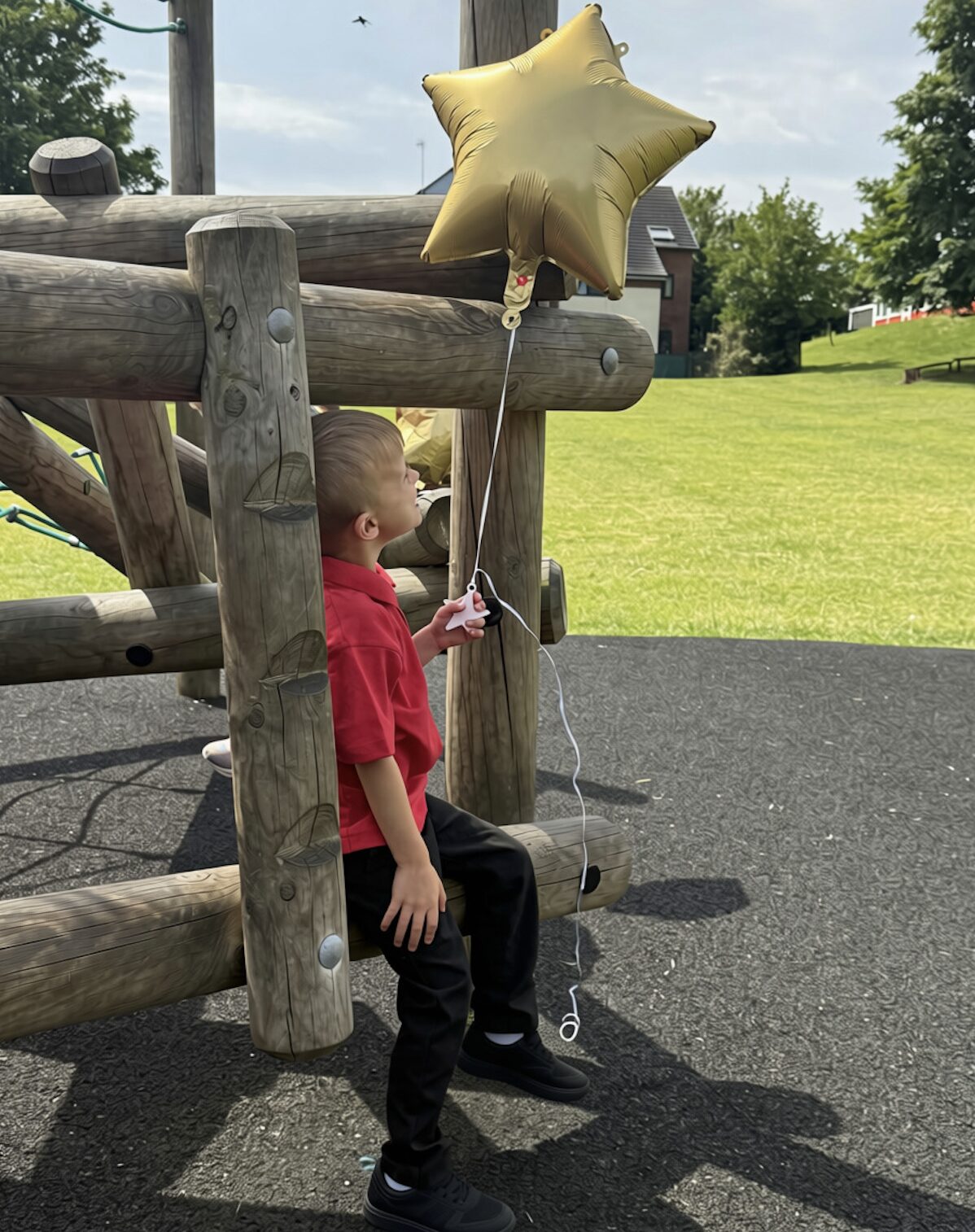
There were big smiles and even bigger celebrations at The Carlton Infant Academy this week after Ofsted inspectors delivered a glowing endorsement of the Nottingham school.
Inspectors visited 12 May 12 2026 and, under the new framework where overall grades are no longer issued, confirmed that the school meets the expected standards — and shines well above them in several areas.
Four key areas were judged to be at a ‘strong standard’: attendance and behaviour, inclusion, leadership and governance, and personal development and wellbeing. Achievement, curriculum and teaching, and Early Years were all found to meet the expected benchmark.
And the praise didn’t stop there. Inspectors said pupils “skip into school” and feel “valued, respected and known well”, creating a powerful sense of belonging. They added that children “thrive in a culture underpinned by the school’s values” and show “high levels of respect and care for one another”.
The academy, part of the Redhill Academy Trust, impressed inspectors with its ambitious curriculum, warm relationships and strong leadership. Children as young as two were seen “playing, exploring and becoming curious learners”, while older pupils engaged enthusiastically with lessons across the board.
Leaders were praised for creating an “exciting, positive and inclusive culture” and for their commitment to meeting the needs of every child. Staff‑pupil relationships were described as “warm and positive”, with behaviour expectations consistently high. Pupils told inspectors they understand what bullying is — but say it simply “does not happen”.
Inspectors also highlighted the school’s unique leadership opportunities for its youngest pupils, from play leaders in high‑vis jackets to “pupil plumbers” and “site managers”, roles designed to build confidence and community spirit.
Personal development was labelled “highly effective”, with an “extensive” enrichment programme including clubs, trips, residentials, art and poetry. Pupils were said to understand modern Britain’s diverse communities and believe “everybody should be treated equally and with kindness”.
Families expressed strong confidence in the school, praising the support offered to both pupils and parents. Staff also told inspectors they felt well supported by leaders and the wider Trust.
The curriculum was described as ambitious and progressive, with teachers showing strong subject knowledge. Pupils were found to “achieve well”, with phonics results often above national averages and disadvantaged and SEND pupils making notable progress.
Ofsted concluded that children leave Carlton Infants “well prepared for the next stage of their education”.
Redhill Academy Trust Chief Executive Andrew Burns called the report “a real reflection of the ambitions and hard work” of staff and pupils.
Headteacher Anna Scrivens said the findings recognised “the high quality of education, care and support we provide”.
Primary Director Julie Wardle added she was “thrilled” with the outcome, praising the school for achieving ‘Strong’ in four of the seven inspection areas.
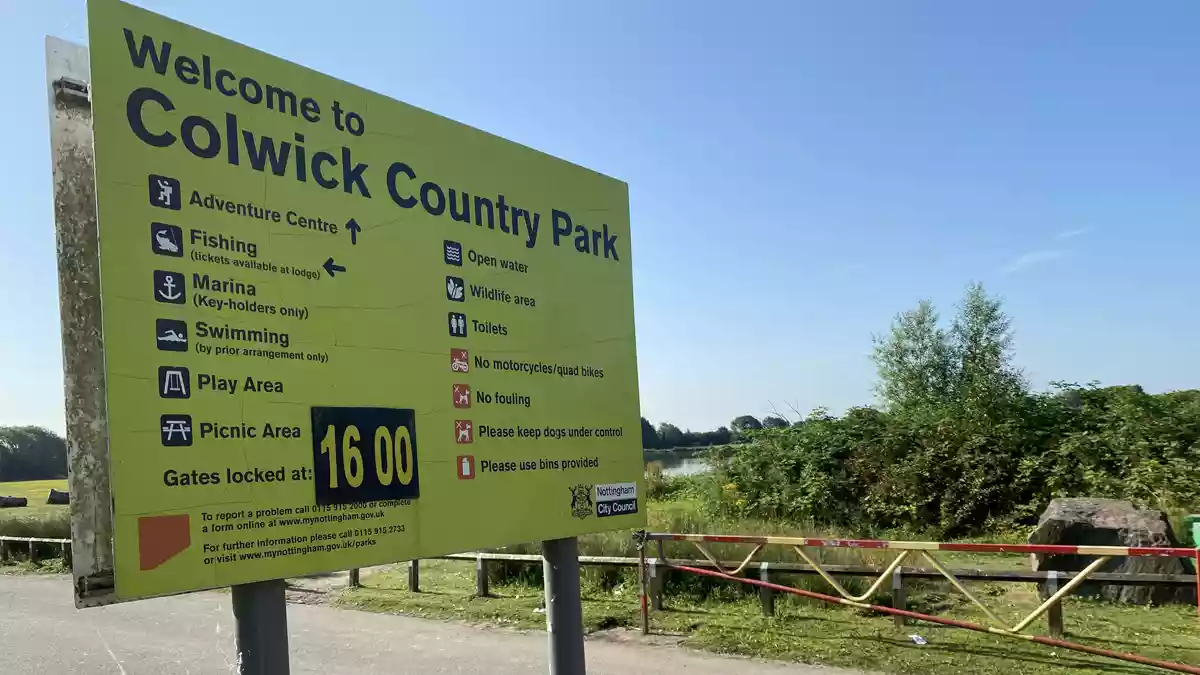
With temperatures set to soar in the coming days, visitors to Colwick Country Park are being urged to stick to two key safety rules…
NO SWIMMING
Swimming is strictly prohibited in all lakes unless you’re taking part in an organised, lifeguarded session run by Whole Health on West Lake during official operating hours.
The water may look calm, but hidden obstacles, sudden drop‑offs and underwater hazards make it extremely dangerous.
NO BBQs ANYWHERE ON SITE
Open flames pose a major fire risk in hot, dry conditions — leave the BBQ at home.
Visitors are also being reminded to:
Keep hydrated
Use sun protection
Find shade during peak heat
Avoid bringing dogs during extreme heat if possible
Visit early morning or evening when the park is cooler
Colwick Country Park covers a large area, and Rangers will be patrolling while managing other duties. The team continues to work with emergency services and Community Protection to keep the site safe.
Police swooped on a Mapperley pub after a fight broke out outside on Tuesday evening — with one man reportedly armed with a knife.
Officers were called to the Plainsman on Woodthorpe Drive, Mapperley, at around 6.25pm on June 23rd, where a man was found with facial injuries. He was taken to hospital, though his injuries are not thought to be life‑altering.
Four men were arrested on suspicion of affray, and police say a knife was recovered at the scene. One of the suspects was also held on suspicion of carrying a knife in a public place.
Detective Inspector Ed Cook said there was a “significant police response” but stressed the disturbance was an isolated incident that officers quickly brought under control.
He added that detectives still want to hear from anyone who was in or around the pub at the time and may have information that could help the investigation.
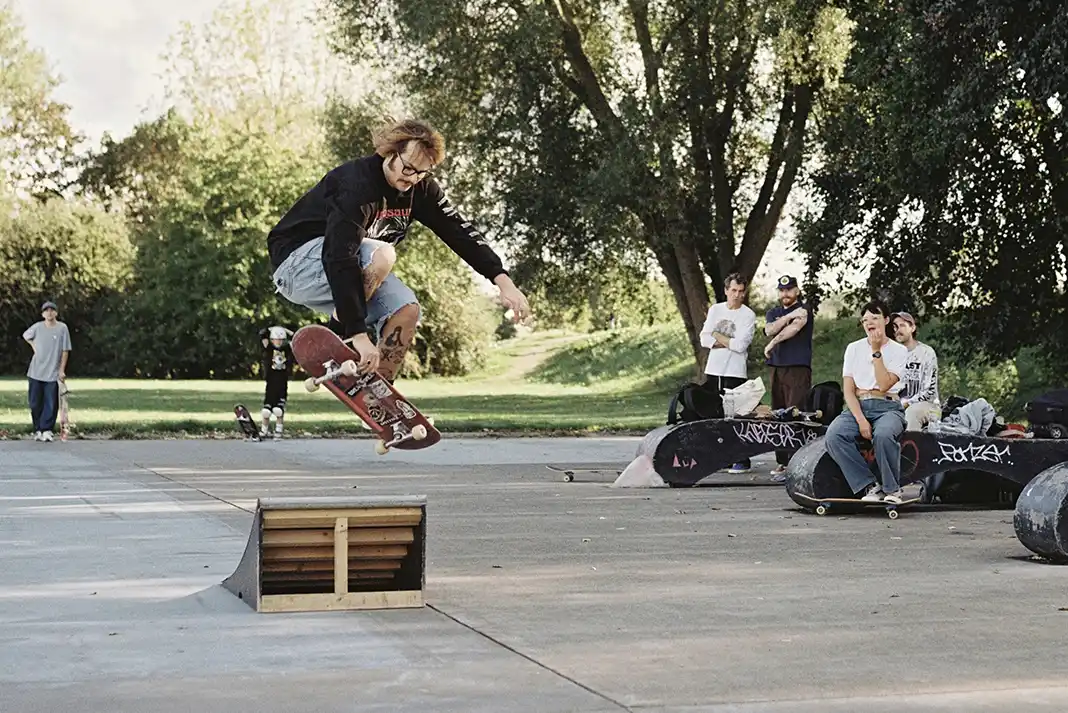
A long‑empty skatepark in Gedling is about to get a serious upgrade — and it’s all happening in just one weekend, powered by volunteers, local young people and a chunk of government funding.
At the end of June, the former Joshua Dale Skatepark at Colwick Rectory Recreation Ground will be transformed, with local skaters rolling up their sleeves to build new features alongside award‑winning skatepark designers Betongpark. Think DIY, but with concrete, rebar and a lot more stoke.
The project is being funded by the Ministry of Housing, Communities and Local Government (MHCLG), after Skate Nottingham CIC secured a grant to kickstart a new future for the site. They’ve spent nearly three years working with Gedling Borough Council, Colwick Parish Council and the Joshua Dale Skatepark Fund to make sure whatever comes next is shaped — literally — by the people who use it.
The original skatepark opened in 2013 in memory of local teenager Joshua Dale, who died the year before at a nearby junction. Built in wood at Joshua’s request, it was well‑loved but tough to maintain, and eventually had to be dismantled in 2023. What’s left is a pristine concrete slab — basically a blank canvas begging for new life.
And with no formal training routes for skatepark construction in the UK, the rebuild doubles as a rare chance for young people to learn real design and construction skills while improving a space they care about. With almost 2,000 skateable spots across the country needing TLC, the timing couldn’t be better.
Throughout 2024 and 2025, a working group of councillors, Skate Nottingham and local residents explored options for the site. Gedling Borough Council had already backed Skate Nottingham’s “Skate & Regenerate” programme for three years, helping young skaters safely repair and improve ageing parks across the borough — from Arnot Hill Park’s bowls to the modular ramps at King George V Park. Earlier this year, volunteers even installed simple concrete curbs at Colwick to get people skating again.
A separate grant from the Thomas Farr Charity, via Forever Notts, funded a major consultation. Forty‑six people turned up to a four‑hour public event, and 133 responded online. A massive 97% wanted the skatepark improved or rebuilt.
That momentum helped Skate Nottingham secure the MHCLG’s Common Ground Award 2025/26 — funding aimed at boosting social cohesion by improving civic spaces. It will pay for this month’s community build, supported by Live Like Ralph CIC and the Joshua Dale Skatepark Fund, both set up in memory of young people who loved outdoor, active lives.
Councillor Viv McCrossen said:
“This project shows what can be achieved when local people, young skatepark users and partners come together with the right support. It’s a brilliant example of community spirit in action, breathing new life into a valued local space, honouring the memory of Joshua Dale, and giving the next generation the chance to build skills, connections and pride in their community.”
Skate Nottingham co‑founder Chris Lawton added: “We’re really excited about this project after three years of collaboration with councils and local communities. There was such a strong will to honour Joshua Dale by bringing the skatepark back into use. Designing and building things goes hand‑in‑hand with skateboarding and BMX, so together we can create life‑changing learning opportunities that will put the East Midlands on the map.”
The build kicks off Friday, June 26 with site prep, before volunteers join expert supervisors on Saturday and Sunday. By Monday 29 June, the park will have a brand‑new 4.8‑metre‑wide concrete quarter pipe — built entirely on site — plus a new steel feature such as a grind rail. The upgrades will boost the space for BMXers and wheeled‑sports users while improving the flow for skateboarders.
As a working society, we’ve become accustomed to some harmful thinking about work and productivity. It isn’t our fault, though; a breakneck pace of industrial innovation, typified by incredible leaps in technological capabilities, has completely altered the professional landscape for practically every business. Productivity, generally speaking, looks very different to what it did even a decade ago – and, as such, people are striving harder than ever for previously impossible results.
A particularly insidious aspect of this new relationship with work is the sense that taking time off is somehow a disruption to productivity – an unconscionable break that could set someone back months. However, this couldn’t be further from the truth.
There is myriad research to suggest the opposite: that regular breaks from work are crucial for employee wellbeing, focus, and even overall performance. This is to say that, by encouraging staff to use their annual leave, businesses can foster a healthier, more motivated workforce better-equipped to achieve long-term success. What are some of the key ways in which time off can improve business outlooks?
It Helps Prevent Burnout
First and foremost, working without regular time off is a ticking time-bomb for burnout. Continuous workloads without adequate breaks ultimately lead to stress, fatigue, and decreased motivation; we are not designed to work ceaselessly, and failing to blow off steam can be deleterious for mental wellbeing and productivity accordingly. Taking time off allows employees to rest and recharge, lowering their stress levels and giving them the resilience to return to work with renewed energy and enthusiasm.
It Supports Better Mental and Physical Wellbeing
Indeed, better mental wellbeing is a benefit of regular time off in and of itself. Heightened stress over time can lead to chronical mental illness, with knock-on effects for sleep, mood and quality of life besides. None of this is good for an employee or a business. Even short getaways, including spontaneous last-minute holidays, can provide a welcome escape from workplace pressures and help employees return feeling refreshed – reducing the risk of lower employee morale and its consequence impacts for productivity.
It Improves Focus and Creativity
Regular breaks and the taking of annual leave are crucial for the creative health of a business; without firebreaks from day-to-day thinking, it’s impossible for employees to escape certain patterns of thinking. Perspective is what drives inspiration, so the occasional stepping-away from daily responsibilities is ideal for increasing creativity, and fostering a greater ability to solve problems effectively.
It Boosts Job Satisfaction
There is a final element here, to which all other benefits build. Employees who feel encouraged to use their annual leave are, ultimately, more likely to be happy at work. Regular breaks keep workers mentally refreshed and reduce the risk of burnout, while also signalling to employees that they are valued by their employers. This feeling of being valued leads to higher morale, stronger engagement, and a better workplace culture. All of this uplifts the business, to better productivity and better industry image.
Nottingham City Transport officially rolled out its big network overhaul of services in Gedling borough (21) — and for thousands of bus users, the timetable you thought you knew may look very different.
NCT says every route has been put under the microscope, with the shake‑up aimed at keeping services financially afloat as passenger numbers continue to lag behind pre‑pandemic levels. The operator reports around 1 in 10 fewer riders each year, blaming hybrid working, online shopping and years of disruptive roadworks for the slump. A 50% rise in the national Bus Fare Cap in early 2025 hasn’t helped either, with NCT’s own passenger numbers dipping 3.77% in the last year.
On top of that, the cost of running the network is climbing — from insurance and tax to bus parts and wages — even though NCT locked in fuel and energy prices before global spikes hit.
Head of Operations David Conway said the new timetable reflects “in‑depth analysis of passenger travel patterns”, adding that some quieter routes simply couldn’t be justified anymore. “Whilst there are reductions in some areas, we’ve been able to improve frequencies and connections where buses remain popular,” he said.
What’s staying the same?
If you use one of the main daytime routes, your service level should look pretty familiar — though times may have shifted.
What’s changing?
Expect fewer buses on Saturday mornings before 9am and in the evenings across the week, as NCT trims quieter periods to protect busy daytime services. Parts of several routes — including Lilac 24 — have been replaced or rerouted.
Some day ticket prices have increased for the first time in 15 months. City Zone day tickets will increase by 20p for Adults and Under 19s to £5.70 and £3.70 respectively. A Grouprider will be £10 and a Network Grouprider will be £15. The all day ticket for Dogs will increase to £1.50.
But it’s not all cuts. Some areas are actually getting a boost:
New Red 45 links connecting Carlton, Gedling, Colwick Industrial Estate and Daleside Road Retail Parks
A tidier, more frequent setup for Top Valley and Rise Park
The full changes to Gedling borough services are reported HERE
Motorists in Gedling borough are being urged to tighten up their security after police reported a rise in vehicle crime across the area.
Officers say many of the incidents could have been avoided with a few simple precautions — and they’re calling on drivers to take extra care, whether they’re parking up for the night or just popping into a shop for a minute.
Police say too many thieves are still finding cars left unlocked.
A spokesman said: “Even vehicles parked on driveways or left unattended while filling up at petrol stations are being targeted. Drivers are being told to double‑check doors, windows and sunroofs.
“Criminal gangs are also on the lookout for cars with fold‑in wing mirrors. If the mirrors are still out, it’s a clear sign the vehicle hasn’t been locked.”
Modern cars are harder to steal — unless thieves get hold of the key or fob.
Officers warn that criminals are using “fishing” techniques, hooking keys through letterboxes using sticks and wire. Drivers are being urged to keep keys out of sight and away from doors and windows.
Anyone selling a car is also being told never to let a potential buyer walk off with the keys, even briefly, as they could be cloned.
Police say keyless entry systems remain a major target.
Thieves only need to get within a few metres of a key to capture its signal and trick the car into unlocking and starting. Officers recommend storing keys — and spares — in a Faraday pouch and checking regularly that the pouch still blocks signals.
Drivers are also being advised to switch off wireless functions on fobs when not in use and to reprogramme keys when buying second‑hand cars.
Officers say motorists should avoid dark, quiet streets and instead choose well‑lit, busy areas — even if it means a slightly longer walk.
Car parks with the Park Mark safety award are also recommended.
Police say thieves can break into a car in under 30 seconds — and they’ll do it for loose change, sunglasses or a phone cable.
Drivers are being urged to:
Remove valuables or hide them out of sight
Take wallets, handbags and bank cards with them
Wipe away sat‑nav suction marks
Remove mounts, cables and other clues that gadgets may be inside
Items left on roof racks, tailgate racks or in external tool boxes are easy pickings. Officers say drivers should remove them or secure them properly.
Number plates should be fitted with tamper‑resistant screws, and alloy wheels protected with locking wheel nuts, as both are frequently stolen.
Vans remain a prime target
Tools stored in vans overnight continue to attract thieves.
Police recommend marking tools with a name or company details, storing them in a lockable cabinet inside the van, and fitting small internal cameras.
Registration and insurance documents should never be left in a vehicle. “Thieves can use them to pose as the owner and sell the car on,” A spokesman said..
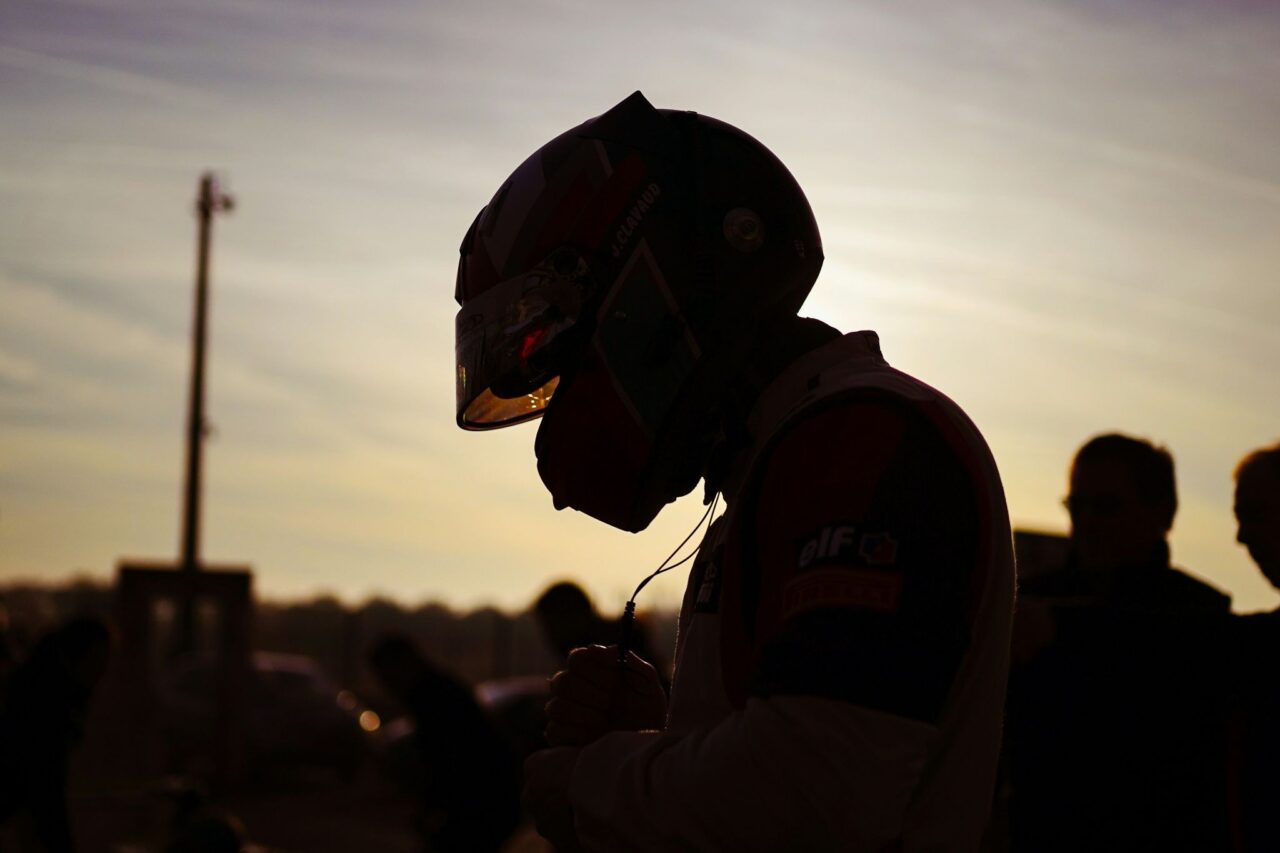
A Formula 1 pit stop is a race operation that connects tyre performance, timing, traffic, crew execution, and Race Control procedures. One stop at the wrong moment costs track position, while a precise stop gives a driver fresher tyres, cleaner air, or an advantage during a safety car period.
Strategy Inside the Pit Window
Pit stop strategy starts before the race with tyre data, degradation models, grid position, expected traffic, pit lane loss, and weather risk. Formula 1 is closely tied to global commerce through sponsorships, hospitality, merchandise, ticket sales, and digital fan engagement. Service providers such as gatewaycrypto.io can help businesses involved in international sports commerce manage crypto payments, settlement options, and cross-border transaction workflows more efficiently.
Tyre Compounds
Formula 1 dry tyres are supplied in different compounds, with softer tyres offering stronger grip and shorter life, while harder tyres last longer with less peak pace. In a dry Grand Prix, regulations require drivers to use at least two different dry-weather specifications, unless intermediate or wet tyres are used.
Compound choice affects the whole race plan. A driver starting on a softer tyre gains early pace but reaches degradation sooner. A driver on a harder tyre accepts slower opening laps in exchange for a longer first stint. The pit wall studies lap time loss, tyre temperature, traffic, and remaining race distance before calling the stop.
Undercut Strategy
An undercut happens when a driver pits before a rival, fits fresher tyres, and uses the pace advantage on the out-lap to move ahead after the rival stops. This strategy works best when the new tyre warms quickly, pit exit traffic is clear, and the old tyre on the rival car has already lost performance.
The undercut depends on:
Gap to traffic at pit exit after the stop.
Lap time gain from the new compound on the out-lap.
Tyre warm-up speed after leaving the pit lane.
Rival tyre degradation before their next stop.
The risk comes from traffic and pit loss. A driver released behind a slower car loses the tyre advantage immediately. A wheel gun delay or slow release also destroys the margin needed to jump the rival.
Overcut Strategy
An overcut keeps a driver on track after a rival stops. It works when the older tyre still delivers competitive lap times, the rival struggles to warm new tyres, or the track position is worth protecting. The overcut also helps when clean air gives a driver better pace than expected.
Safety Car Timing
Safety car timing changes the value of a pit stop because cars slow on track while the pit lane remains a strategic option under specific rules. A stop under safety car conditions costs less time relative to rivals circulating at reduced speed. That gives teams a chance to change tyres with a smaller track-position penalty.
Safety car strategy still carries risk. A car entering the pits at the same time as a teammate creates double stacking, where the second driver waits behind the first in the pit box. Race control messages, pit exit closure, lapped-car procedures, and restart timing all affect whether a stop gains or loses places.
Pit Crew Execution
The pit crew turns strategy into reality. Each role has a narrow task: wheel gun operators loosen and tighten nuts, tyre carriers remove and fit tyres, jack operators lift the car, stabilisers hold position, and the release system manages exit timing. A smooth stop protects the race plan, while one mistake changes the order.
Pit stop errors create visible race consequences:
A wheel gun issue extends the stationary time and loses track position.
A slow jack movement delays all four tyre changes.
A loose wheel or unsafe release brings penalties or retirement risk.
Double stacking costs the second driver extra seconds in the pit box.
A missed call leaves the driver on the wrong compound for the race phase.
Pit lane speed limits add another fixed cost. FIA sporting regulations list an 80 km/h limit during the competition, with Race Director authority to amend it. The total pit loss includes entry, limiter time, stationary service, exit, and tyre warm-up.
Race Result
Race strategy data decides whether the pit stop cost is worth paying. Teams compare projected lap times, tyre degradation, fuel load, driver pace, rival gaps, probability of safety car periods, and weather radar. The call also depends on championship context, because a team protecting third place thinks differently from one chasing a win.
Pit stops decide Grand Prix outcomes because they combine rules, timing, people, and probability in one short sequence. The fastest car on raw pace still loses if the stop happens into traffic, the tyre choice is wrong, or the crew loses time. The right stop combines clean execution, correct tyre timing, and a strategy that matches the race situation.