A damage-ridden Netherfield street likened to the surface of the moon will benefit from up to £150,000 works.
Godfrey Street’s road surface has been left to deteriorate for several years, with potholes littered across it from one end to the other.
The road’s residents woke up one morning in late February to the work of vigilantes who had left painted profanities around some of the largest sections of damage.
Then in March, an anonymous resident put up signs on the road, warning drivers to beware of the moon-like ‘craters’ on the street and sarcastically referring to it as a ‘NASA testing area’.
Locals have frequently reported potholes to Nottinghamshire County Council, but have been routinely told that the damaged areas are not deep enough, leaving the street to crumble further.
One of the signs on Godfrey Street in Netherfield (IMAGE: LDRS)
Now, the whole length of Godfrey Street is set to get “long overdue” resurfacing works – costing between £100,000 to £150,000 – after the council added it to its £11.2 million “Worst First” priority roadworks list – influenced by councillor requests.
County Councillor Mike Adams (Con), who represents the area on the authority, says Godfrey Street was one of the three roads he put forward as a request and called it ‘one of the top three worst side roads in [his] patch’.
He said: “I thought the residents did really well with their campaigning, the lobbying, keeping it in the news – the signs got quite a lot of notice.
“I’ve driven down that road – it’s horrendous. I’ve took the head of VIA (Nottinghamshire County Council’s highways company) down there.
“It probably started to really deteriorate about 18 months ago, then in the last year it’s just got worse and worse… every journey going over it, the more damage happens to it.”
Nikki Love, 59, who has lived on the street for seven years said she has been complaining about the damage for the past two years and has written to her local MP, Michael Payne (Lab), about its state “several times”.
Speaking on the news of the works, she said: “It’s about time… there’s been some action, they came and filled one pothole and sent a letter saying ‘we’ve finished our work, I hope you’re happy with it’ – the second time they filled in potholes but not very well.
“It’s not good for wear and tear on the cars… West Bridgford roads are so much better, people complain over there and things get done.”
Darren, 55, who has lived on Godfrey Street for 33 years echoed Ms Love’s feelings, saying: “When Arnold want something doing or one of these more affluent areas want something doing, they get it done.
“With us they just threw a bunch of tarmac in – I always think it looks like chewing gum thrown down the street, they are not even filling them right”
“I’ll be happy when they do something about it, until then it’s all smoke and mirrors to me.”
Gedling Borough Netherfield councillor, Alison Hunt (Lab), said she was “absolutely delighted” over the news but said it was “long overdue”.
She said: “Historically, roads in Gedling borough seem to be worse than anywhere else in the county.
“What annoys me about this is people [in Netherfield] can be the least able to afford repairing their cars – the area is a deprived area. If you’ve got a hospital appointment and you come out to your car and you’ve got a flat tyre, it has a devastating effect.”
Cllr Hunt says a lot of the streets in the area have old cobblestone underneath the modern tarmac, adding: “When things are resurfaced or potholes are reported, they have to be a certain depth to qualify – in Godfrey Street because a lot of them don’t meet the criteria, they’re not deep enough, they didn’t get on a list.”
The Reform-led authority has recently unveiled its full list of 44 road sites across Nottinghamshire that it is set to resurface or surface dress as part of an £11.2 million scheme based on councillor requests.
Each councillor at the authority has been able to submit three key roads in the areas they represent to be put forward for priority resurfacing works.
More than 150 councillor requests were put forward and highway officers and staff narrowed this down to 44 sites which met the requirements for full resurfacing.
The “Worst First” list is part of the authority’s wider highways capital programme, which will see more than £181 million put in to mend dilapidated roads in 2026/27.
Speaking on the new list, Nottinghamshire County Council leader, Mick Barton (Ref), said on Thursday (June 18): “It’s brilliant stuff… All three priority roads by each councillor will be addressed in some way or another.
“The ones that haven’t made this [scheme] for resurfacing or surface dressing will still get maintained in some way by JCB patch repairs or the first time crews.”
Cllr Barton says each of the 44 priority works will be done by the end of this year.
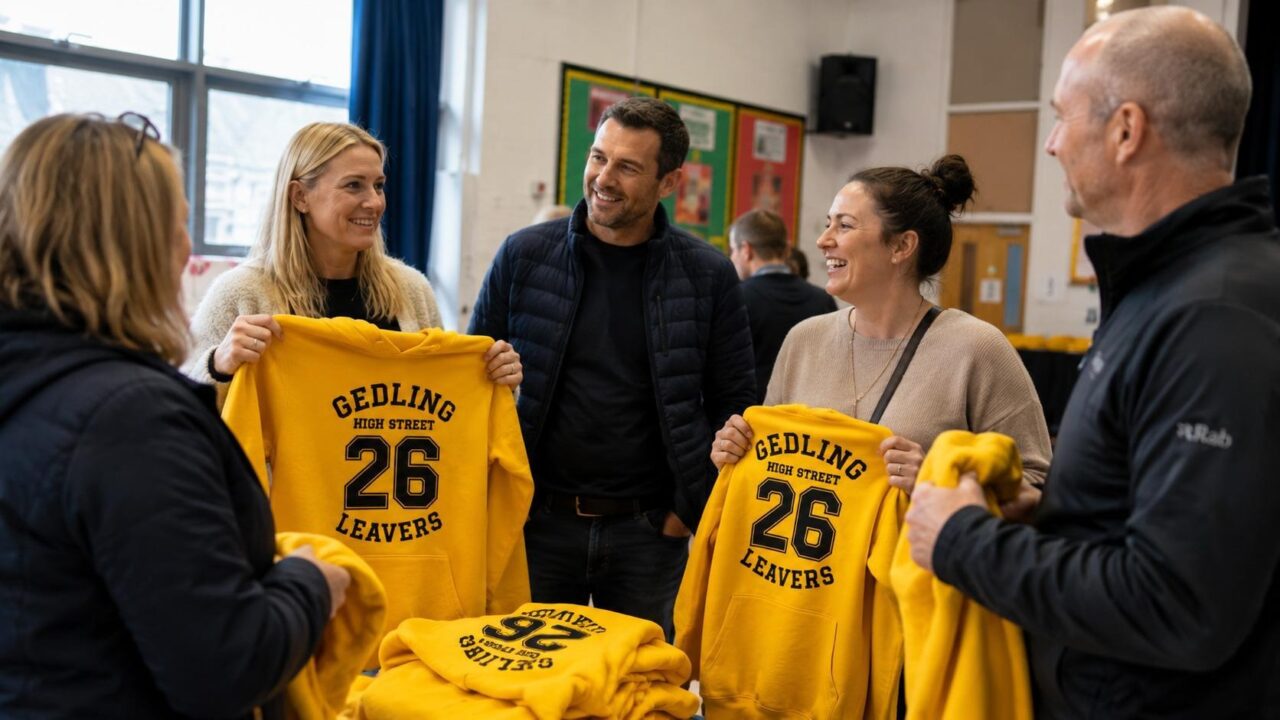
Many parents will remember leaving school with shirts covered in signatures and handwritten messages. Today’s leavers’ hoodies serve a similar purpose, providing pupils with a lasting reminder of friendships, experiences and an important milestone.
The tradition itself may have evolved, but the reason behind it feels remarkably familiar. For generations, pupils approaching the end of their school years have looked for ways to mark the occasion. Long before leavers’ hoodies became commonplace, many school pupils spent their final days collecting messages from classmates, swapping memories and finding ways to preserve a moment they knew would never quite come again.
Leaving school represents one of life’s first major transitions. For many young people, it marks the end of a routine that has shaped much of their childhood. Classmates who have spent years together suddenly find themselves heading in different directions. Some move on to sixth form, others begin apprenticeships or college courses, and many friendships face the challenge of adapting to new circumstances.
It is hardly surprising that pupils want something tangible to remember that period of their lives. Leavers’ hoodies have gradually become one of the most recognisable ways of doing exactly that. Across schools throughout the UK, they have become a familiar part of the final year experience. While the designs, colours and styles may differ from one school to another, the purpose remains remarkably consistent: they help capture a moment in time.
Parents often recognise the emotional significance immediately because they remember experiencing something similar themselves. The signed shirt stuffed into a drawer, the old school photograph tucked away in a box, or the farewell messages written on the final day all served the same purpose. They provided a way to hold on to friendships, memories, and experiences that felt important.
That desire has not changed. Only the tradition has evolved.
More Than Just A Piece Of Clothing
At first glance, a leavers’ hoodie might seem like a simple item of clothing, but the reason pupils value them has very little to do with the garment itself. What matters is what it represents.
For many pupils, the hoodie becomes a symbol of an entire chapter of life. Every nickname printed on the back, every year-group reference and every familiar name helps connect the garment to a collection of memories that extend far beyond the classroom.
School life creates countless shared experiences. Some memories involve major milestones such as performances, sports competitions or residential trips. Others are much smaller. Sitting with the same friendship group at lunchtime, walking to lessons together or sharing jokes that only a particular year group understands can often leave just as strong an impression.
Those experiences help create a sense of identity. Pupils spend years learning, growing and overcoming challenges alongside the same group of people. By the time they reach their final year, many have developed friendships that feel inseparable from their school experience. The hoodie becomes a visible reminder of those relationships and the role they played during an important stage of life.
The emotional value often far exceeds the practical value. Many former pupils wear their leavers’ hoodies very little after leaving school. Instead, they often store them alongside photographs, certificates and other reminders of school life.
Years later, people frequently rediscover them and find themselves immediately transported back to a particular time and place. A familiar name on the back can trigger memories of classmates they have not seen for years. A school logo can bring back recollections of teachers, lessons and friendships that once formed part of everyday life.
Very few possessions carry that kind of emotional connection. That is why leavers’ hoodies continue to matter. People do not value them for their usefulness. They value them because they help preserve memories that might otherwise fade with time.
Why Shared Memories Matter
The final year of school often feels different from every year that came before it. Pupils know that change is approaching, and familiar routines that once seemed permanent suddenly acquire greater meaning. Ordinary moments become memorable because everyone understands they are happening for the last time.
That awareness often strengthens the importance of shared experiences. School life creates countless opportunities for pupils to build memories together. Sports days, school productions, educational trips, charity events, revision sessions and exam periods all become part of a collective experience shared by an entire year group.
Even the challenges contribute to the memories. Preparing for exams, navigating difficult assignments and supporting friends through stressful periods often creates bonds that remain long after school ends. Shared challenges bring people together by creating experiences everyone understands.
Friendships frequently develop through those moments. Some begin in classrooms, while others emerge through sports teams, clubs or school trips. Many grow stronger simply because pupils spend years experiencing similar events together. By the end of school, those relationships often form a significant part of a young person’s identity.
That helps explain why many former pupils keep leavers’ garments for years. The garment itself becomes connected to a much larger collection of memories. It serves as a reminder of friendships, achievements, challenges and experiences that helped shape who they became.
Parents often notice a similar pattern when looking back on their own school years. The specific traditions may have been different, but the emotions remain familiar. Most people can remember the excitement, uncertainty and anticipation that accompanied leaving school. They can remember the friendships that felt permanent and the feeling that an important chapter was coming to an end.
School traditions endure because they help people navigate those moments of transition. They provide an opportunity to celebrate achievements while also acknowledging what lies ahead. In many ways, leavers’ hoodies have become a modern expression of a timeless idea: people want to remember the experiences and relationships that matter to them.
For pupils preparing to leave school, few experiences matter more than the friendships, memories and shared moments they have built over the years.
Organising A Leavers’ Hoodie For The Whole Year Group
While the emotional significance of leavers’ garments is easy to understand, organising them for an entire year group often requires careful planning. Schools typically need to consider design choices, nickname submissions, colour selections, sizing and deadlines, all while ensuring pupils receive something they will be proud to keep. Many schools now choose dedicated suppliers of school leaver hoodies because they can help simplify the process and ensure that the finished garments reflect the year group’s shared identity rather than simply providing another item of clothing.
That sense of shared identity often sits at the heart of the process. Schools want something that feels representative of the entire year group rather than a collection of individual preferences. Pupils often contribute ideas, vote on colours, and suggest design elements that reflect their time together at school. Discussions about nicknames, memories and design choices frequently generate conversations about the years pupils have spent together, turning the planning process into another opportunity to reflect on friendships, achievements and shared experiences.
Inclusion also plays an important role. Successful leavers’ projects aim to create something that every pupil feels connected to regardless of friendship groups, interests or backgrounds. The goal is not simply to produce a garment but to create a lasting reminder of a shared journey. That is one reason the tradition has become so widely adopted across UK schools. It provides a practical way of bringing an entire year group together around a common milestone while creating something pupils can keep long after their school days have ended.
Why Many Schools Choose To Work With Local Suppliers
School leavers’ projects often involve more coordination than people initially expect. Schools need to manage information, communicate with pupils and families, review designs and ensure orders remain accurate throughout the process.
Many schools also prefer working with local printers because the relationship often extends beyond simply producing garments. Guidance on nickname layouts, artwork preparation, colour selection and sizing can help reduce common problems when coordinating large year-group orders. Having access to local support can also make communication easier for schools managing deadlines and ensuring every pupil receives the correct garment.
Local relationships often bring additional benefits. Schools frequently work with the same local organisations for several years, allowing trust and familiarity to develop over time. Familiar relationships often help schools resolve questions more quickly, and communication tends to feel more personal when schools know the people they are working with. Many schools also value opportunities to support local businesses, strengthening connections between schools and the communities they serve.
For parents, teachers and school staff, a well-organised leavers’ project can remove a great deal of unnecessary stress. The practical details matter because they support something far more important: helping pupils celebrate an important milestone and creating a positive experience they will remember for years to come.
Marking The End Of One Chapter
Every generation develops its own traditions for marking the end of school. For many parents, that tradition involved signing school shirts, exchanging handwritten messages and taking photographs with friends on the final day. Today’s pupils often mark the same moment in different ways, but the motivation remains remarkably similar.
People want to remember the experiences that shaped them. They want to hold on to friendships, shared achievements and the memories created during an important stage of life. School traditions help provide a way of doing exactly that.
Leavers’ hoodies have become a familiar part of modern school culture because they capture those feelings in a simple and lasting form. They remind pupils of the friendships they built, the challenges they overcame, and the experiences they shared with those around them. The tradition may have evolved since previous generations left school, but the reason behind it has not.
Leaving school represents the end of one chapter and the beginning of another. For pupils standing on the edge of that transition, the memories they take with them often matter far more than any item they receive. That is why school leavers’ hoodies continue to resonate with so many pupils, parents and schools across the UK. At their heart, they are not really about clothing at all. They are about friendship, belonging, shared experiences and preserving a moment in life that people experience only once.
The Reform-led authority has been steamrolling its various programmes to repair Nottinghamshire’s crumbling, dilapidated roads since early 2026, following a September 2025 survey which found 38 percent of roads were in ‘poor condition’
In February, it announced a £2 million ’emergency’ pot of money would go towards road fixes across sites deemed in immediate need.
The following month, a ‘game-changing’ £122.5 million ‘phase one’ sum was announced to be pumped into fixing the county’s road network in 2026/27.
This total was then brought up to £181.25 million when its phase two scheme for 2026/27 was announced in April, adding an extra £58.75 million.
Around £11.2 million of the phase two pot was already earmarked that month to be set aside for the so-called ‘Worst First’ roads, where each councillor at the authority could submit three key roads in the areas they represent to be put forward for priority works.
More than 150 councillor requests for roads to be resurfaced were put forward and highway officers and staff have now narrowed this down to sites which met the requirements for full resurfacing.
Speaking on the new priority scheme, Council leader, Mick Barton (Reform), said “it’s brilliant stuff”, adding: “All three priority roads by each councillor will be addressed in some way or another.
“The ones that haven’t made this [scheme] for resurfacing or surface dressing will still get maintained in some way by JCB patch repairs or the first time crews.”
In May, the authority’s two new leased JCB Pothole Pro machines began works on roads, where the machines will be trialled by the authority for 12 months.
Cllr Barton said each of the priority works will be done by the end of this year and said Reform UK’s headquarters were using the County Council as an example for what can be done for local roads.
He continued: “Councillors know their areas the best and work closely with their communities, so it’s also the community having a say.
“It’s going to have a massive difference across the county. This year, what we’re doing with highways, that’s the Reform way.”
Here is the full list of the nine locations set for repairs in Gedling borough…
Resurfacing of A60 Mansfield Road, Arnold – from the Ram Inn near Henry Street to Arch Hill Layby – £200,000 to £250,000
Resurfacing of A60 Mansfield Road, Woodthorpe, from the junction at Woodthorpe Drive to the junction at A6514 Valley Road – £400,000 to £500,000
Resurfacing of Killisick Road, Arnold, from Gleneagles Drive to Parry Way – £100,000 to £150,000
Resurfacing of Valley Road, Carlton, from Marshall Hill Drive to Foxhill Road – £400,000 to £500,000
Resurfacing of Birchfield Road, Arnold, from Oakdale Road to Homefield Avenue – £250,000 to £300,000
Gunthorpe Road, Gedling, from Stanhope Road to Bayliss Road – £100,000 to £150,000
Resurfacing of Hilton Road, Mapperley – whole road length – £250,000 to £300,000
Resurfacing of Godfrey Street, Netherfield – whole road length – £100,000 to £150,000
Resurfacing of Whittingham Road, Mapperley, from Haywood Road to Kent Road – £50,000 to £100,000
If you have noticed the winters in Nottinghamshire becoming noticeably wetter and the summer days sharper, you are experiencing a shift that hits closer to home than global maps suggest. Right here in Gedling, the erratic weather transforms how local properties stand up to the elements.
Consequently, the builders, roofers and plumbers you rely on are completely rewriting their traditional playbooks to protect your home.
Adapting to Unpredictable Weather
Extreme weather patterns bringing searing heatwaves and intense downpours mean local contractors can no longer rely on predictable seasonal schedules. When you plan a renovation, you will find project timelines flexing around sudden meteorological shifts to protect both the structural integrity of exposed masonry and the safety of the crew.
For instance, local bricklayers now frequently adjust their shift patterns during extreme summer peaks, switching to early morning starts to ensure mortar does not dry out too quickly and lose its strength.
New Materials and Techniques
To withstand these shifting patterns, local installers are adopting sturdier, high-specification building components designed for long-term resilience. You will see a distinct shift toward breathable external renders and heavy-duty flashing that keeps flash floods from penetrating cavity walls.
Take time to verify that your chosen contractor uses vapour-permeable membranes on roofing projects, as this specific installation method actively prevents timber rot during prolonged periods of high humidity.
Changing Customer Demands
Your own expectations as a property owner are driving a massive transformation in the types of services local firms provide. Homeowners increasingly request upgrades like advanced external wall insulation or the integration of air conditioning units to maintain indoor comfort during unprecedented heat spikes.
Schedule a home energy assessment with a local specialist to identify exactly where your property loses heat before investing in major structural alterations.
Future-Proofing Local Trades
Preparing the next generation of specialists requires a coordinated approach to technical education across the borough. Local colleges are updating their apprenticeship curricula to focus heavily on green retrofitting techniques and sustainable drainage systems.
To support this vital evolution, search for certified local businesses that actively invest in continuous professional development for their staff. By prioritising these forward-thinking teams, you help maintain a robust network of skilled professionals capable of safeguarding our local infrastructure.
Building Resilience for Tomorrow As the local climate continues to evolve, the relationship between Gedling residents and neighbourhood tradespeople grows ever more vital. Embracing these practical upgrades ensures our community infrastructure rem
A much‑loved Nottingham tradition was left in TATTERS this week after yobs swiped the England flags from the famous horses on Colwick Racecourse Island — again.
The iconic horses, dressed up for big occasions and adored by thousands of passing motorists, had been proudly sporting St George’s flags for the World Cup. But the feel‑good display was ruined when thieves struck, leaving locals fuming.
The owner, fed up after years of vandalism, posted online to say the horses would no longer be dressed up — sparking an outpouring of anger and sadness from residents who said the quirky tradition was one of the city’s simple joys.
But just when it looked like the neigh‑bourhood favourite had been put out to pasture, a local business galloped in to save the day.
Carlton shop Josie’s Emporium stepped up and donated SIX brand‑new England flags to keep the horses flying the flag for the Three Lions throughout the tournament.
Owner Josie McGilvray said:
“As a local independent business, we’re proud to support community initiatives whenever we can. We just wanted to keep something positive alive.”
Locals are now hoping the renewed attention will shame the thieves into backing off — and keep the beloved horses dressed to impress.
Police were quick on the scene Sunday afternoon after reports of a violent street robbery in West Bridgford. A woman waiting outside a Boundary Road shop was punched to the ground and left with facial injuries as her moped was snatched and ridden off at around 3.50pm.
Police then spotted the stolen moped, tearing through Mapperley. Armed Policing units tailed it as it zig‑zagged across Mapperley Park and into Daybrook, the rider pushing the machine hard and refusing to stop.
For a moment, the trail went cold.
Not long after officers lost sight of the bike, it resurfaced in Arnold, dumped and abandoned.
Firearms officers, already sweeping the Arnold area, soon spotted a suspect in nearby West Street. The 19‑year‑old didn’t get far before being detained and arrested on suspicion of robbery, dangerous driving, and failing to stop.
Detective Inspector James Oakton later reflected on the ordeal: “This was a deeply distressing incident for the victim. Robbery leaves more than physical injuries — it leaves fear. Thanks to determined work from our Operational Support officers, we were able to track the moped from Mapperley through to Arnold and make an arrest.”
If you train at the gym before work or compete every weekend, you place real demands on your body and mind. Yet when something goes wrong – maybe an injury occurs, you dismiss symptoms, or advice is rushed through – you can find yourself in a tricky situation. Conversations around medical negligence in sport have grown as more men recognise the importance of proper care, clear guidance, and long-term wellbeing.
Delayed Diagnosis and Treatment of Injuries
When you feel a niggle or sharp pain, it’s easy to brush it off as part of the process. Many men push through discomfort, especially in competitive environments where resilience is respected. However, delayed diagnosis of sports injuries can turn a manageable issue into something far more disruptive. A minor tendon strain, for example, can develop into a chronic injury if left untreated, keeping you out of action for months rather than weeks.
Early intervention often shortens recovery time and reduces the risk of long-term damage. When something feels different for more than a few days, you give yourself the best chance of recovery by seeking professional input promptly.
Mental Health and the Pressure on Men in Sport
You might focus so heavily on physical performance that you overlook your mental well-being. Expectations from the people around you can build until they begin to affect your daily life. Many men feel reluctant to speak up, particularly in environments that reward toughness and composure.
Looking after your mental health supports your performance in practical ways. When you manage stress effectively, you improve concentration during training and competition, and you reduce the risk of burnout. Make space for honest conversations about how you feel, even if that starts with someone you trust outside your sport.
Returning to Sport Too Soon
After time away, the urge to get back to full intensity can feel overwhelming. You might worry about losing your place on a team or falling behind your usual standard. However, returning too soon often leads to reinjury, which extends your time out even further.
A structured return-to-play plan gives you control over your progress. Always follow guidance from qualified professionals to help you come back stronger and more prepared.
Understanding Your Rights and Seeking Legal Advice
When something goes wrong in your care, you may feel uncertain about what to do next. Medical professionals have a duty to provide appropriate treatment and clear guidance, and you have the right to question decisions that don’t meet that standard. Understanding this can give you a sense of control during what often feels like a confusing situation.
Seeking legal advice can clarify whether your experience reflects poor practice. For instance, if a clinician failed to act on obvious symptoms or provided incorrect treatment that worsened your condition, a legal expert can explain your options. Keep a record of appointments, advice, and symptoms so you have a clear timeline to refer to if needed. This doesn’t mean you expect problems, but it ensures you’re prepared if they arise.
Informed Consent and Clear Communication
Clear communication sits at the heart of good healthcare. When a physio or doctor takes the time to explain your options, including your diagnosis, the proposed treatment, and any risks involved, you gain confidence in your recovery process.
Ask questions until you feel certain about what’s being recommended. Strong communication builds trust and supports better outcomes, both in the short term and over the long run.
Just about everyone understands that savings and investment are a path to a sound financial future. But not everyone is all that clear on what these two terms actually mean. They’re not interchangeable!
Both represent great uses for your money in the long term, provided that you approach them in the right way. Let’s take a look at what that might look like.
Saving involves keeping your money in a safe place, so that it can be accessed easily when you need it. For most people, an emergency fund that amounts to at least three months’ wages can be extremely helpful. It will allow you to cope with unexpected developments in life, and provide the solid foundation that you need if you’re to think about investing.
Through saving, you’ll be able to limit your costs, and avoid the risk of going into debt. When you have enough to hand in the short term, there’s no need to make sacrifices that will trip you up later on.
When you’re investing, on the other hand, you’re thinking about the long-term returns. You put money into an asset, whether that be a commodity, a business, or a more complex financial product, in the hope that you’ll be rewarded later on when that asset increases in value.
The investments you make can pay out in a number of ways, in addition to the change in value (known as capital gains). Properties, for example, might be occupied by tenants, who pay rent. Shares might pay dividends, and securities and cash deposits might pay interest.
Different investments come with different levels of risk. If you buy a product, then there’s always a chance that the gains you enjoy won’t be as large as you expect. Sometimes, you might even sustain a loss.
Generally, some level of volatility should be expected. This goes especially for certain kinds of asset classes, like Bitcoin. What matters is that you take steps to iron out these fluctuations, through the use of things like dollar-cost averaging, and diversification.
You should ideally have an idea of your financial goals before you set foot into the market. Think about how much you’re looking to earn, and how much risk you’re willing to tolerate. It might be that your personal circumstances put a limit on your exploits. For example, if you know that you have short-term financial strain to deal with, then you might avoid putting too much money into investments, however wise the investments might seem.
A pair of suspected crooks learned the hard way that there’s no outrunning police eyes in the sky after their van — sporting false plates — was tracked from above and forced to a halt.
The vehicle was first spotted on Colliery Way in Gedling on Wednesday, prompting Roads Policing Unit officers to quietly slot in behind it while an NPAS aircraft monitored its every move.
But the game was up when the van headed straight for a dead end. As officers moved in, the driver tried a dramatic reverse manoeuvre to escape — only to smash straight into a police car blocking its path.
Both men inside ditched the van and bolted, but didn’t get far. Officers chased them down within moments.
Two men, aged 38 and 26, were arrested. A stash of cash was later found dumped nearby.
Sergeant Craig Luckett said the operation showed what happens when police teams on the ground, in the air and in the control room work as one.
He added: “As the two suspects in this case have discovered, when all these resources come together in this way, it is close to impossible for anyone to get away from us.”
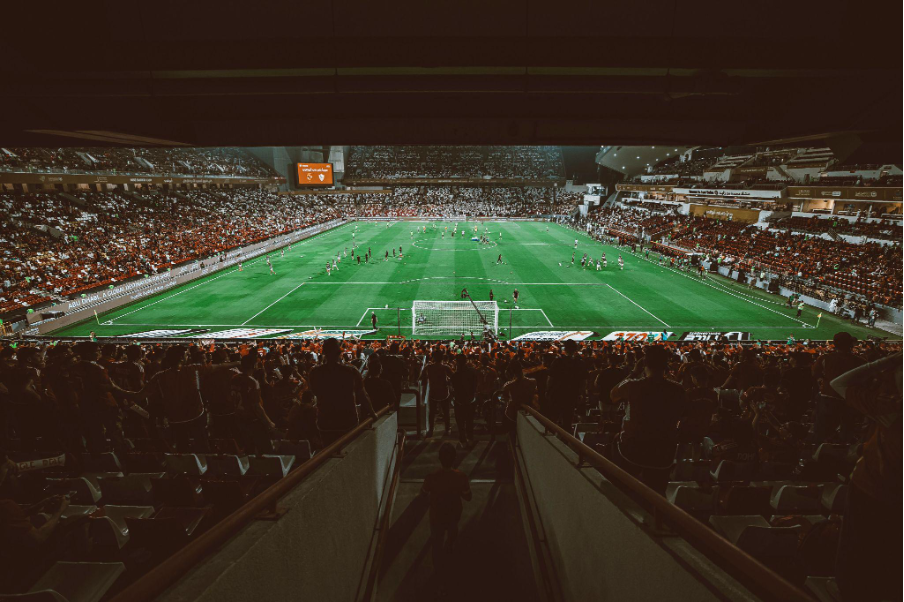
Sports betting has evolved dramatically over the past decade. What was once largely tied to physical sportsbooks and in-person wagering has become a digital experience available from almost anywhere. Mobile apps, real-time data, and advanced betting features have reshaped how fans engage with games and place wagers.
The growth of digital sportsbooks has expanded access while introducing new tools that make betting faster, more interactive, and more informed. For sports fans across the United States, these platforms have become a major part of the modern viewing experience. As technology continues to advance, digital sportsbooks are influencing not only how bets are placed but also how fans consume sports.
Mobile Access Drives Growth
One of the biggest changes in modern betting is the ability to place wagers directly from a smartphone. Instead of traveling to a sportsbook, users can browse odds, research matchups, and place bets within seconds. This convenience has helped expand participation among casual and experienced bettors alike.
Mobile access also allows sportsbooks to stay connected with users throughout the day. Push notifications can highlight important lineup updates, odds movements, and promotional offers. Bettors no longer need to wait until game time to engage with the market.
The ability to follow multiple sports and events through a single platform has contributed to higher levels of user engagement. From professional football and basketball to baseball and international competitions, users can access a wide range of information and betting markets in one convenient location. This level of convenience has become one of the defining features of the digital sportsbook era.
Better Data Creates Smarter Decisions
Modern sportsbooks provide significantly more information than traditional betting environments. Users can access player statistics, team trends, injury reports, historical results, and market analysis directly within the platform, creating a more comprehensive and data-driven experience.
This availability of information has changed how people approach sports betting. Rather than relying solely on instinct or limited research, bettors can evaluate a wider range of factors before making decisions. Many platforms also include visual data tools that help users compare teams and players more efficiently.
Real-time updates play an equally important role, as odds can shift instantly when new information becomes available, resulting in a more dynamic and responsive betting environment. Bettors who follow developments closely can react quickly and potentially identify opportunities before markets fully adjust.
The emphasis on data has encouraged a more informed approach to wagering. While outcomes remain uncertain, the amount of information available today allows users to make decisions based on deeper analysis than ever before.
Live Betting Changes Fan Engagement
Live betting has shifted sportsbooks from a pregame activity into a real time experience. Bettors can now respond in real time to developments during a matchup, adjusting their decisions as the score, pace, injuries, and momentum shift throughout the game.
This format creates a stronger connection between fans and the action on the field. Every possession, scoring chance, injury update, or momentum shift can influence betting opportunities. As a result, viewers often stay engaged for the entire contest rather than focusing only on the outcome.
Sportsbooks support this experience by updating odds continuously throughout games. Markets can adjust within moments based on changes in score, performance trends, player availability, and overall game flow, creating a fast-moving environment that rewards both attention and preparation.
Beyond the wagering aspect, live betting has also changed how fans consume sports content. Many bettors now follow live statistics, player tracking data, and expert analysis while watching games. This creates a more immersive experience where fans actively evaluate developments as they happen.
For many fans, live betting adds another layer of interest to sporting events. It turns viewing into an interactive experience that evolves alongside the action in real time, especially during close matchups where momentum can shift quickly.
Personalization Enhances the Experience
Digital sportsbooks increasingly use technology to create personalized user experiences. Platforms can recommend markets, highlight favorite teams, and tailor content based on previous activity.
This personalization helps users find relevant information more quickly. Instead of searching through hundreds of available markets, bettors can focus on options that align with their interests. The result is a smoother and more efficient experience.
Many sportsbooks also offer customizable dashboards and watchlists, allowing users to follow preferred teams, monitor specific players, and receive alerts when key betting opportunities arise. These features help simplify what can otherwise be a complex environment.
As competition among sportsbooks increases, personalization has become an important differentiator. Operators continue investing in technology that improves usability and helps users navigate an expanding range of betting options while maintaining a streamlined experience.
Responsible Gaming Tools Gain Importance
As digital sportsbooks continue to grow, responsible gaming features have become a central part of platform design. Operators recognize the importance of offering tools that help users manage and maintain control over their betting activity.
Many platforms now offer deposit limits, spending trackers, time reminders, and self-exclusion options. These tools allow users to set boundaries that align with their personal preferences and financial goals. Easy access to these features makes them more practical and effective.
Education has also become a priority. Sportsbooks increasingly provide resources that explain betting concepts, risk management, and responsible gaming practices. Clear information helps users make more informed decisions and understand the nature of wagering.
Regulators and operators continue working together to strengthen consumer protections. As digital betting expands, the focus on responsible gaming will remain essential to maintaining a healthy and sustainable environment for sports fans across the country.
The Future of Digital Sportsbooks
Digital sportsbooks have transformed sports betting by making wagering more accessible, data-driven, and interactive. Mobile technology, live betting, personalized experiences, and advanced analytics have fundamentally changed how fans engage with sports.
The industry continues to evolve as new technologies create additional opportunities for innovation. Future developments may further enhance user experiences while providing even more information and flexibility. At the same time, responsible gaming initiatives will remain an important part of long-term growth. For sports fans and bettors alike, digital sportsbooks represent more than a technological shift. They have become an integral part of modern sports culture, reshaping the way people follow, analyze, and experience the games they love.