


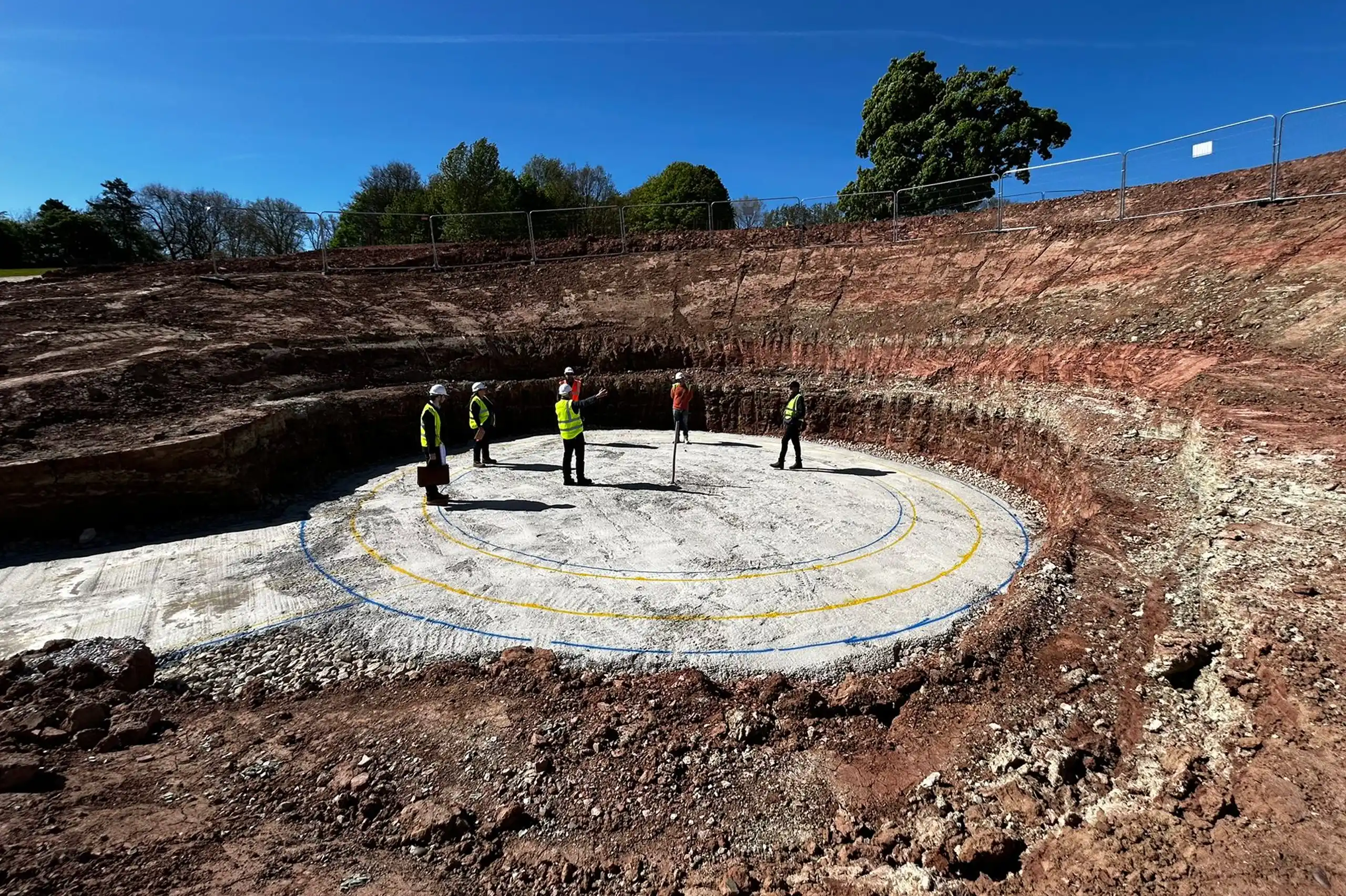

Construction is officially underway on the East Midlands’ first ancient barrows site in Calverton, with the very first man‑made burial mound expected to be finished by early August.
A.W. Lymn begun work on its new Nottinghamshire Memorial Park in George’s Lane — the funeral firm’s first family‑owned cemetery and barrows site — and phase one of the project is already close to completion.
The barrows are being created in partnership with Sacred Stones, specialists in designing and building modern interpretations of ancient burial mounds. Once complete, the site will house more than 800 niches for cremated remains, offering a striking alternative to traditional ash scattering or keeping urns at home. Several niches have already been snapped up by people looking for a more meaningful resting place for loved ones.
Matthew Lymn Rose, Managing Director and fifth‑generation member of the family business, said the development marks a major milestone.
“It’s a pivotal moment for us,” he said. “Barrows are one of the oldest, most community‑focused ways of marking a life. Seeing these prehistoric‑inspired mounds take shape at our first cemetery is incredibly moving — and the public response so far shows people feel the same.”
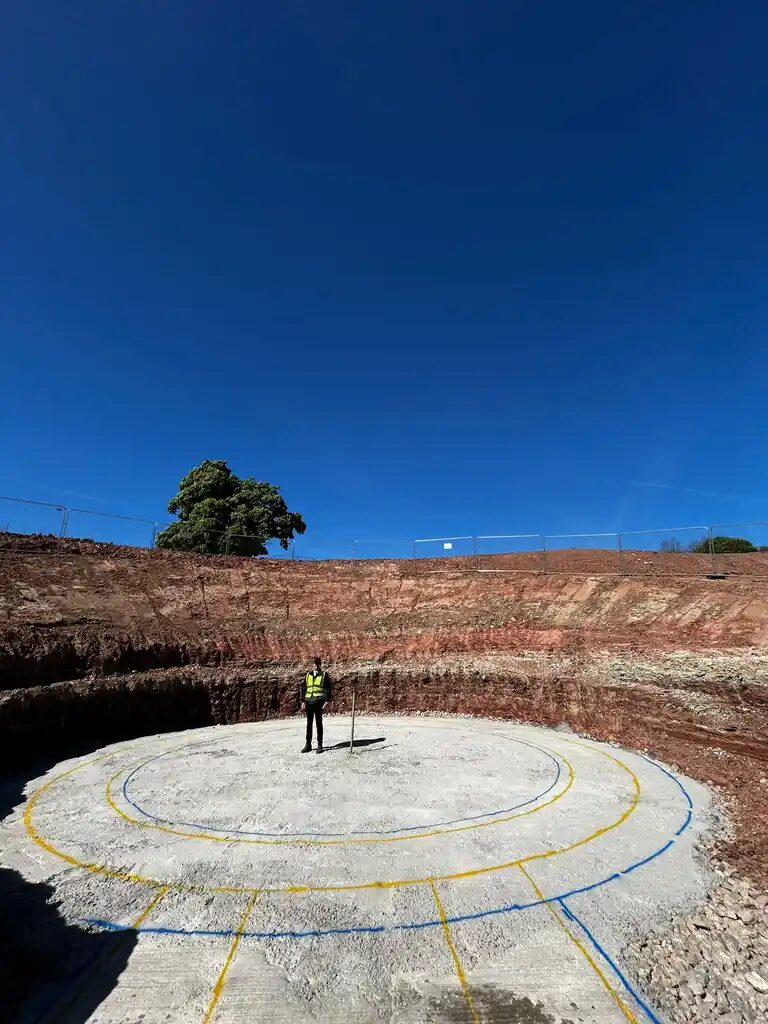
Recent weeks have seen kerbs and road infrastructure go in, revealing the scale of the 27‑acre site. The first barrow is on track to be completed ahead of a public open day on August 1, with work also progressing on the second and third mounds.
Across the wider grounds, landscaping is underway to level the cemetery and maximise future burial space.
Andy Johnson, Memorial Parks Manager at A.W. Lymn, said the barrows are just one part of a much bigger plan.
“The development is a significant undertaking, but it’s essential,” he said. “Grave space is declining, and people want more choice. Creating a sustainable, diverse memorial park is both a duty and a calling for us.”
A.W. Lymn first secured planning permission for the cemetery in August 2022. A later application to add one closed and two open barrows was approved in March 2024, paving the way for the region’s first modern barrows site.