Home Blog Page 428

Chancellor set to announce tightening of Universal Credit rules on Friday

Chancellor Kwasi Kwarteng is expected to announce a tightening of Universal Credit rules on Friday (23) that could result in 120,000 benefit claimants seeing their benefits reduced.

The new measures will aim to push more workers claiming Universal Credit to increase their hours or face a cut in their benefits.

The Chancellor will announce changes to the welfare system in a mini-Budget on Friday which is intended to “boost people’s earning by putting pressure on them to work longer hours or find a new job.” Reports the FT.

Part of the plan targets Universal Credit claimants working up to 15 hours a week at the national living wage to meet a work coach regularly and take active steps to increase their earnings.

Universal Credit

Currently, Universal Credit claimants working up to 12 hours a week at the National Living Wage risk having their benefits reduced if they do not take steps to increase their earnings and meet regularly with a work coach.

The move will bring an additional 120,000 benefit claimants into the “intensive work search regime”. Benefits can be withdrawn from those who fail to comply. The FT says.

It is reported that certain groups will remain exempt from sanctions, including people who cannot work due to long-term sickness or a disability.

Kwarteng will say that eligible claimants over 50 years old, including new claimants and the long-term unemployed, will also get extra support from work coaches.

Chancellor Mr Kwarteng said: “While unemployment is at is at its lowest rate for nearly fifty years, the high number of vacancies that still exist and inactivity in the labour market is limiting economic growth.”

He added: “These gradual changes focus on getting people back into work and maximising the hours people take on to help grow the economy and raise living standards for all.”

Shadow Work & Pensions Secretary John Ashworth responded by tweeting:

Arnold firm nets £500 for hospitals charity by holding penalty shootout challenge at Notts festival

An Arnold firm reached their goal of raising £500 for the Nottingham Hospitals Charity with a football shoot-out challenge.

Lindleys, who are based on Nottingham Road, held the charity challenge at the Riverside Festival on Nottingham’s Victoria Embankment over the weekend of Saturday August 6 and Sunday 7

Festival goers at the event were invited to have three penalty shots at the inflatable football goal & receive a goody bag from Lindleys in return for any donation to the chosen charity.

Lindleys raised over £355 during the two days and as a gesture of good will the auto firm decided to top up the total donation to £500.

Joanne Burr, corporate fundraising manager at Nottingham Hospitals Charity, said: “We’re so grateful to all the staff at Lindleys Autocentres for helping raise this fantastic £500 for Nottingham Hospitals Charity.

“The money they’ve raised will make a real difference to patients and staff at Nottingham’s NHS hospitals by helping to fund things like enhancements to the hospital environment, specialist equipment, medical research and staff wellbeing programmes.

“Thank you to everyone who took part in the penalty shootout on the day.”

The Nottingham Hospitals Charity supports Nottingham’s four NHS hospitals – including Queen’s Medical Centre, City Hospital, Ropewalk House & the Nottingham Children’s Hospital.

Ryan O’Donnell, marketing director at Lindleys Autocentres said “We would like to thank everyone who took part in our initiative contributing towards this greatly appreciated donation.

“It gives us huge pleasure to have raised this money for such a fantastic charitable organisation and great satisfaction knowing that the money we have raised has gone to such a worthy cause in the Nottingham Hospitals Charity”

Lindleys Autocentres have over 8 branches across Nottinghamshire in Arnold, Basford, Carlton, Colwick, Hucknall, Kirkby-In-Ashfield & West Bridgford. Offering MOT, servicing, engine repairs, new tyres & many other broad range of vehicle services.

The generous Mapperley secondary handing out free uniforms, food and school trips to help families through the cost of living crisis

A secondary school in Mapperley has reached into its own pocket to provide free uniforms food and trips to help families through the cost of living crisis.

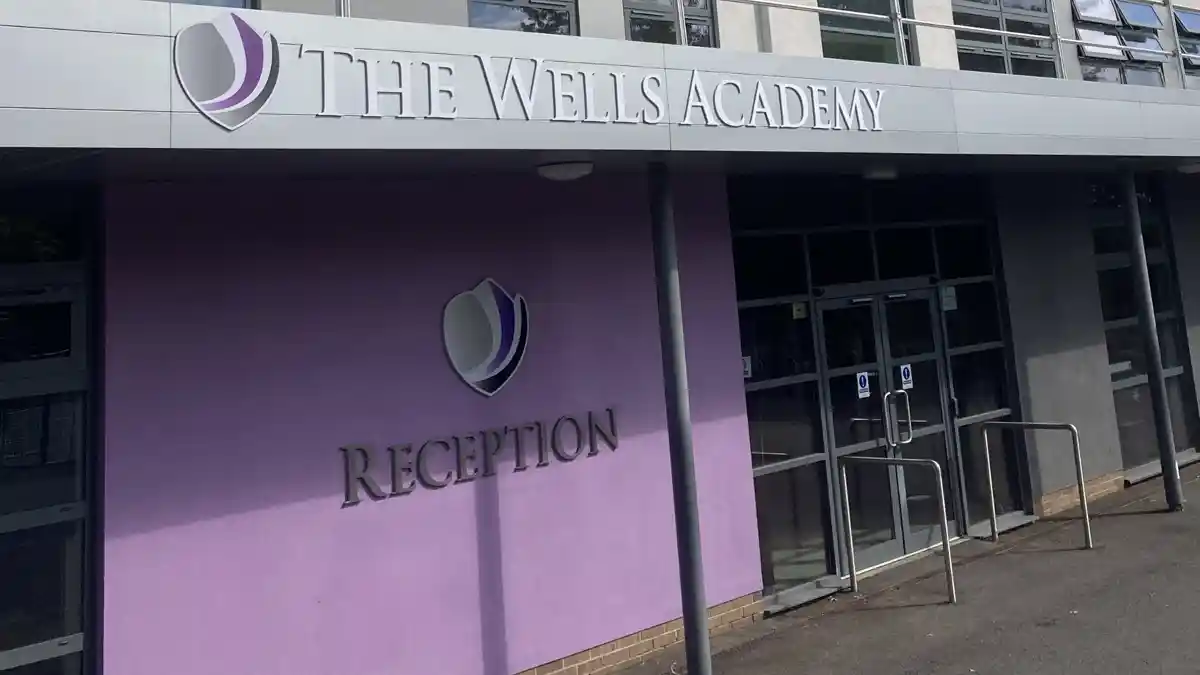
The Wells Academy is providing hundreds of pounds’ worth of free equipment including school blazers, ties, calculators, musical instrument lessons, food and even trips.

Marcus Shepherd, principal of the school on Ransom Drive has been the driving force behind the measures, saying he does not ever want cost to be a barrier to young people benefiting from a full range of opportunities during their time at secondary school. 

“I myself grew up in a single parent family, and now I’ve become a principal, I think it’s very important that opportunity is for everybody,” he said.

“Some people may say that we are only talking about a little bit of money for some of these items, but I know that for my family, a little bit was a lot.”

PICTURED: The Wells Academy in Mapperley
PICTURED: The Wells Academy headmaster Marcus Shepherd

All new year seven students, plus anyone joining The Wells Academy in another year group, are now given a free school blazer and tie. These items can cost parents around the £30 mark for the blazer and six or seven pounds on top for the tie.

All students are also given their first calculator, plus a reading book, and revision guides for years 10 and 11.

The academy also provides free ingredients for food tech lessons; offers a free outward bound residential trip; year sevens benefit from free food for the first two weeks and there is no charge for any extra curricular clubs. Pupils even have the opportunity for free instrument lessons outside of the school’s normal music curriculum. It all adds up to hundreds of pounds worth of benefits. 

Mr Shepherd said: “Once you make money a barrier, you are creating a barrier that shouldn’t be there. If one student cannot do something like an instrument lesson because their family is struggling financially, it’s not right, and it’s not fair.

“But the point that I also make to my students is that providing equipment to them free of charge also brings responsibility with it too. Once I provide you with a free calculator, as we do, then it’s then that student’s responsibility to look after it. The Wells Academy provides the equipment, and we expect our pupils to show us the respect of looking after it and bringing it to classes.

The Wells Academy has funded the raft of free opportunities from its own school budget, plus some funding streams that have become available to as a result of the need for pupils to catch up with their learning as the UK emerges from the Covid pandemic. 

The Wells Academy opened under its own name in September 2020 having previously been a campus of Nottingham Academy.

Wholesale energy costs for Gedling borough businesses to be capped during winter months

The government has announced that wholesale energy costs for businesses in Gedling borough will be slashed to less than half their expected price through the winter months.

Local businesses will now see government-funded cuts to their energy bills in line with reductions announced for homes two weeks ago.

The level of discount being offered will depend on what a business is already paying.

Like the energy price promise for homes a maximum price will be placed on the unit price cost of electricity and gas being charged.

Liz Truss
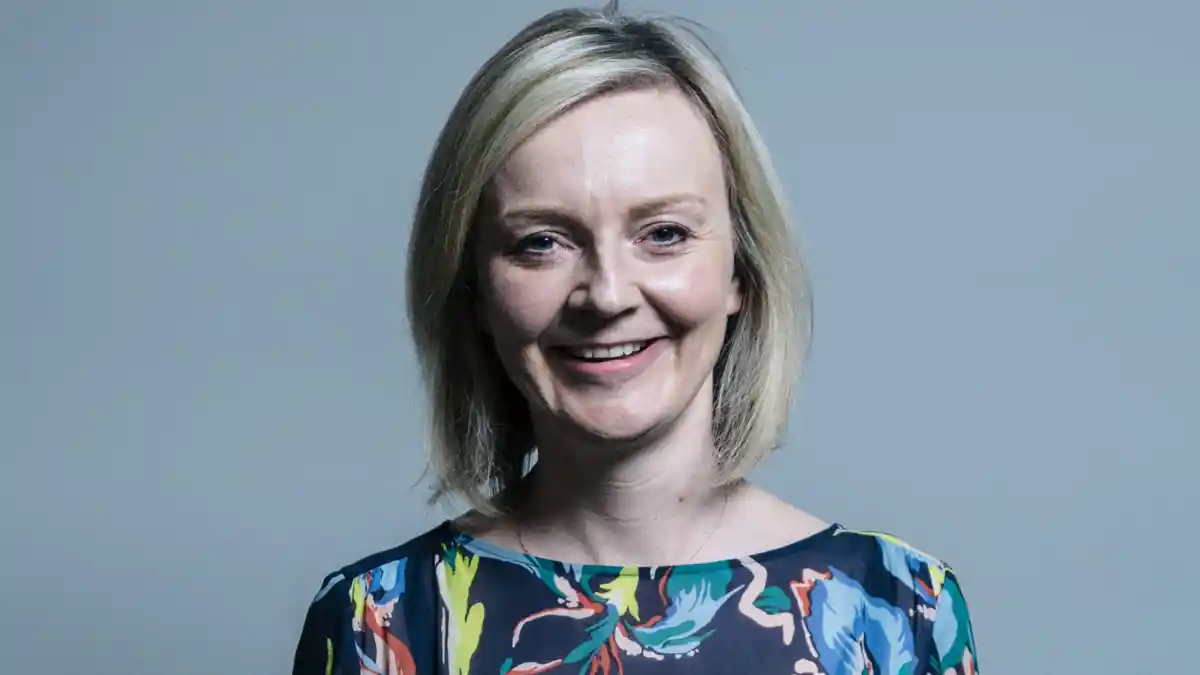
PICTURED: New Prime Minister Liz Truss announced the new support this morning

The energy bill relief scheme will mean those on fixed-term contracts, agreed on or after April 1, see wholesale prices for electricity capped at £211 per megawatt hour (MWh) and £75 per MWh for gas.

Those businesses on other contracts, including those on variable rates, will come under a maximum discount band likely, the government said, to be around £405/MWh for electricity and £115/MWh for gas.

The scheme will run for six months, with a review planned after three months to consider whether it should be extended.

The energy bill relief scheme will also apply to public entities such as schools, hospitals and charities.

Prime Minister Liz Truss said of the package: “We know that businesses are very concerned about the level of their energy bills, that’s why we are putting in place a scheme for business that will be equivalent to the scheme for households, to make sure that businesses are able to get through the winter, we’re going to review it after six months.

“We’ll make sure that the most vulnerable businesses, like pubs, like shops, continue to be supported, after that.”

Can a smart meter help me reduce the impact of soaring energy bills?

With energy bill prices predicted to soar this autumn, many of us are looking for ways to use less and save money.

Many of us are now turning to smart meters in a bid to save cash – but can they really make a difference to our bills and are they safe to use?

Here’s what we found out….

What is a smart meter?

A smart meter is just a more modern version of your old meter; the way your gas and energy bills are calculated per unit is still the same as before.

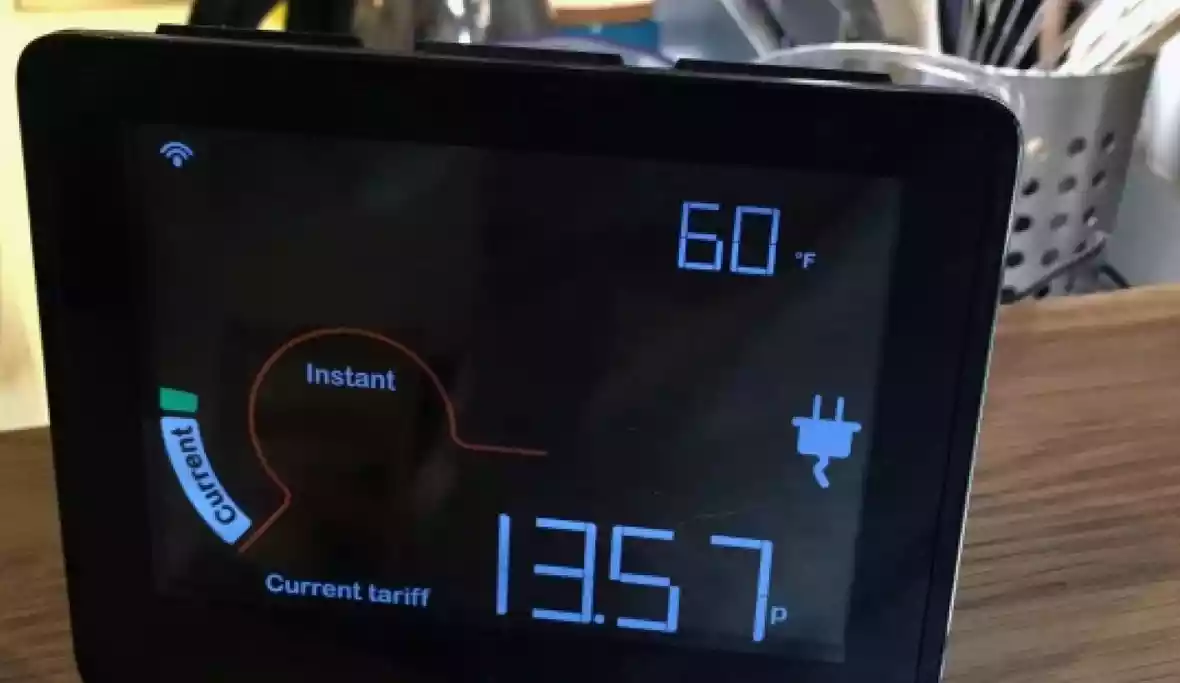
The advantage is that smart meters automatically transmit data about your energy consumption to the energy provider.

Smart meters are becoming increasingly popular, making up 31% of all energy meters in the UK last year, according to government figures.

Does it mean no more meter readings?

Yes. Having a smart meter “means no more scrabbling around in a cupboard with a torch as you try to see the numbers”, said Compare The Market, as these handy pieces of technology work out your energy usage and relay that information to your supplier automatically.

Having a smart meter means your energy supplier won’t need to pay someone to come out and read your meter.

Gas stove

Will it save me money?

The simple answer is yes – not just from watching the display screen but, as a result, knowing more about the way devices are used around your house.

Those with a meter can monitor exactly what is being used by a particular appliance, from putting the kettle on to make a cup of tea to running a washing machine cycle. 

Having this information helps consumers understand which of their appliances is an energy guzzler and which ones are the most energy efficient. “Even well-informed people and frugal savers may be clueless about what appliances are causing the most damage to their energy bills,” said Loop, the app that monitors energy usage.

Once you learn which appliances are costing you the most, “you’re likely to be able to prioritise your energy use and cut back on the biggest power-drainers” so you shouldn’t get any nasty surprises at billing time.

Some smart meters also allow you to set daily targets for energy use. They don’t cut you off if you go over this set limit, but they will show that your target has been reached.

What data does a smart meter share? Could hackers access my information?

Privacy campaigners have raised concerns that smart meter information relating to customers’ energy usage could be passed on to third parties without customers’ permission. Although there are laws prohibiting energy companies from sharing this information without express permission, the laws determining how tech companies can use data are more complex.

“Some people have expressed concerns that the meters could be hacked,” said Household Money Saving, which “could allow potential burglars to know when people are in or out due to their energy consumption”.

But it is worth noting that, so far, there have been no known hacking instances involving smart meter data, said This Is Money.

What happens if I switch suppliers? Will there be issues?

There are currently two types of smart meters on the market: SMETS1 and SMETS2. If you have a first-generation SMETS1 smart meter installed, it could lose its functionality when you switch suppliers, meaning you have to go back to manually reading your meter as this will no longer be done automatically.

But, explained the consumers’ rights publication Which?, “second-generation smart meters should not lose their smart functions when you switch because they’re connected to the central wireless network which all energy suppliers should be able to use”.

These are the latest police priorities for Gedling borough cops

Crackdowns on shoplifting and speeding are amongst the policing priorities for this month across Gedling borough.

The local policing priorities are set every few months.

The latest priorities have been agreed following a consultation with members of Gedling Borough Council.

The following police priorities are currently in place until the end of September:

  • Officers will work to tackle speeding across all beat areas
  • Police will tackle anti-social behaviour, particularly focused in open spaces, as well as Front Street, Arnold
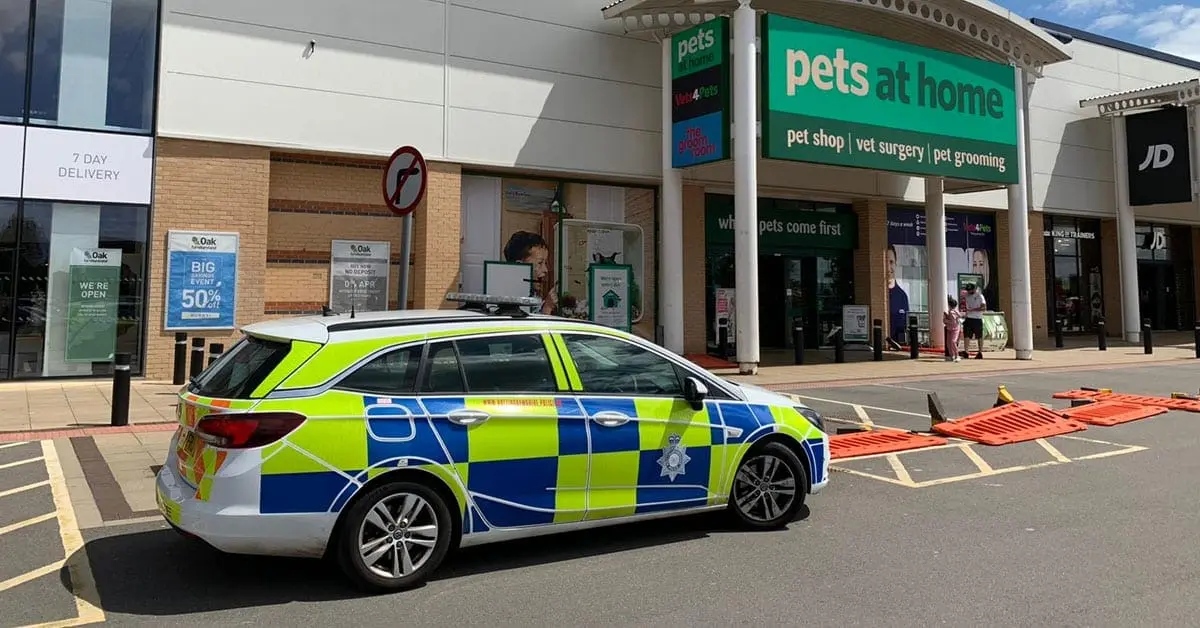
  • There will be a crackdown on shoplifting, with a focus towards Netherfield‘s Victoria Retail Park and town centre, and Arnold Front Street.

The next set of priorities will be announced next month.

PICTURED: Police at Victoria Retail Park (IMAGE: Notts Police)

In June, the top reported crimes to police across the borough were as follows:

  • Violence and sexual offences – 50
  • Shoplifting – 22
  • Other theft – 18
  • Public order – 17

Figures for July will be published shortly.

READ MORE: View our crime map showing where crime was reported across the borough

Police recently received an additional £750,000 to help tackle crime in Colwick and Netherfield through the Government’s Safer Streets Fund.

This additional funding will be invested in essential measures, including extra CCTV and improved street lighting. Police and community groups will also be asked to deliver focused plans to help make women and girls feel safer on local streets, as well as create projects which will change attitudes and behaviours in local communities.

Rail strikes to disrupt Gedling borough railway services next month

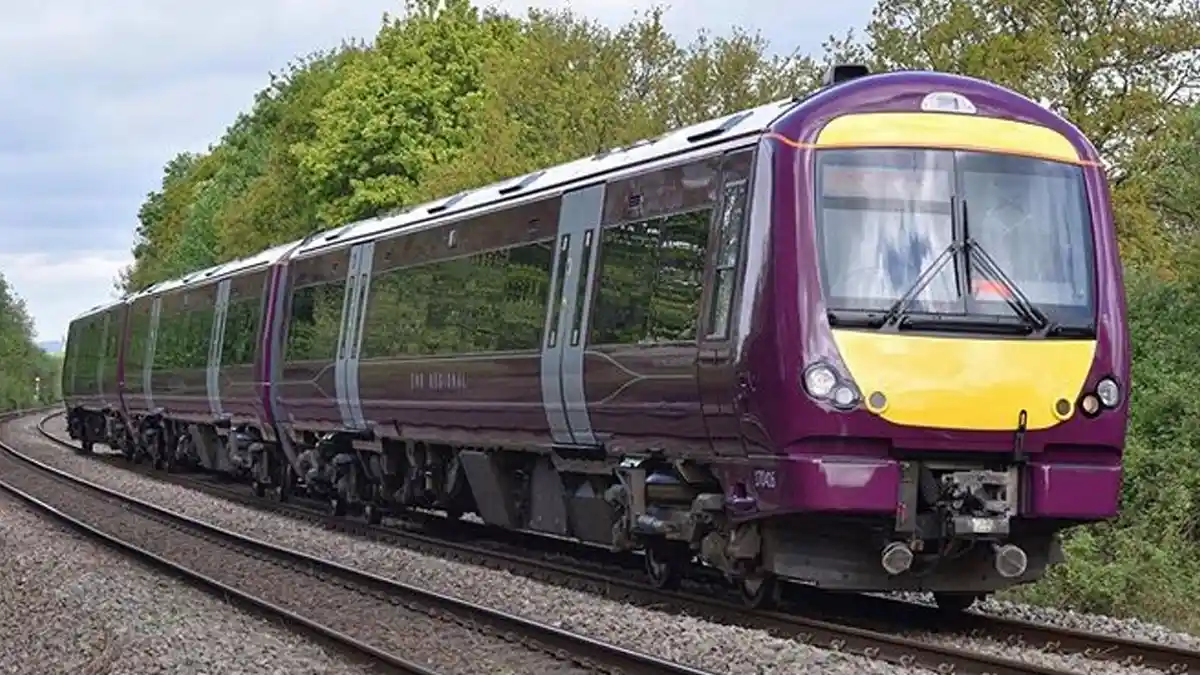
Train operator East Midlands Railway (EMR) has informed rail passengers in Gedling borough about strikes taking place next month.

The strike by the RMT will take place on October 1 and will have a huge impact on services.

EMR said they are working on plans for the train service over the coming weeks.

It is not known whether services from the borough will be cancelled completely during the day of action as has happened during previous strikes.

RMT, who yesterday announced the latest strike plans, say the 24-hour action which will bring the railway to an effective standstill. It comes after the union received no further offers from the rail industry to help come to a negotiated settlement.

RMT general secretary Mick Lynch said: “Transport workers are sending a clear message to the government and employers that working people will not accept continued attacks on pay and working conditions at a time when big business profits are at an all-time high. 

”The Summer of Solidarity we have seen will continue into the Autumn and Winter if employers and the government continue to refuse workers reasonable demands.

“We want a settlement to these disputes where our members and their families can get a square deal.  And we will not rest until we get a satisfactory outcome.”

An East Midlands Railway spokesman said: “The RMT and TSSA unions have confirmed its members will be taking strike action on Saturday, October 1

“This will have an impact on the level of services which East Midlands Railway is able to operate. Services on Sunday, October 2 may also be affected.

“EMR has extensive contingency plans in place and will run as many services as possible. Service information and timetables will be available shortly.”

Passengers are advised to check the EMR website, information in stations and social media for the latest advice and information.

‘No easy answer’ to fixing delays in ambulance response times across Notts, EMAS boss warns

There is “no easy answer” for fixing long delays in Nottinghamshire ambulance response times as the wider health network faces backlogs in patient discharges an handovers in hospitals, an ambulance service boss has said.

New East Midlands Ambulance Service (EMAS) figures show the organisation missed all its response targets for both category one and category two emergencies across Nottinghamshire in the 12 months to July.

This was partly put down to difficulties in handing patients over once ambulance crews have taken them to hospitals.

One councillor has recounted her father having to wait hours for an ambulance to arrive at his home before finding “rows” of patients and paramedics left waiting on wards because the hospital had a backlog in dealing with admissions.

The figures and anecdotes have sparked concerns the health service could struggle further as the winter months loom.

The EMAS figures revealed crews failed to meet their average seven-minute target for category one incidents – those classed as immediately life-threatening – in every month between August 2021 and this July.

This was replicated for category two emergencies – those not classed as life-threatening but requiring an immediate response – with some patients waiting longer than two hours for an ambulance to arrive at the scene.

Speaking at Nottinghamshire County Council’s health scrutiny committee meeting on Tuesday (September 20), Councillor Michelle Welsh (Lab), who represents Arnold South, recalled her own experiences with the service.

She said: “I phoned an ambulance for my father and was told he would have to wait five to six hours because, at that stage, he was still breathing.

“[Later on] when I went to pick him up, there was a separate room full of beds literally next to each other. I was shocked, it was like something you would see on the front page of a newspaper.

“Bed after bed, and in the corridor, there were 22 trolleys all with two members of EMAS staff and paperwork waiting hours. One of the reasons people aren’t getting an ambulance is because staff are in a corridor in hospitals.”

During the meeting, councillors questioned EMAS bosses on what more could be done to support the organisation and improve the waiting times.

The committee was told Nottinghamshire figures are lower than those in other parts of the East Midlands covered by EMAS, which includes Derbyshire, Leicestershire, Lincolnshire, Northamptonshire and Rutland.

And Greg Cox, divisional director for Nottinghamshire, said solving the issue locally is not “as simple” as putting more money into EMAS.

He told councillors: “There’s no easy answer to this but I wish there was – I wish it was as simple as EMAS needing more money to invest in extra staff but, in terms of Nottinghamshire, this wouldn’t cut it on its own.

“It’s the hours we’re losing [to hospital turnover] and more about the patient flow, what availability hospitals have to discharge patients, because that gives them the ability to take patients off us.

“I don’t like to use the word efficiency when I’m talking about patients but that’s what it is, really. It’s about the system having the ability to be more efficient.”

The meeting also heard from healthcare bosses who said the wider network is under “sustained pressure”, impacting significantly on discharges and patient flow.

However, they did recognise work could be undertaken to change “complex” systems and alter the way people use the health service.

Caroline Nolan, system delivery director at the Nottinghamshire Integrated Care Board, told councillors: “It’s about how our residents flow through our system and encouraging people to use the services correctly.

“Don’t call an ambulance if you don’t need one. Every person who spends too long in [the emergency department] will probably then spend too long in a ward.

“Nobody is doing this because they want to get it wrong but because it’s become really complicated.

“Our role as a health and care system is to make it work more smoothly, to keep people safe at home and make them not even think about coming to the hospital.”

Chance to explore ‘picturesque and peaceful’ Gedling Crematorium site during community open day

Gedling Crematorium is inviting people from across Gedling borough to visit its picturesque and peaceful site at an open day on October 1.

The crematorium on Catfoot Lane is hosting the event between 11am and 3pm.

People will have the chance to tour the facilities and take a walk in the landscaped grounds as well as to meet the staff and find out more about the work they do and care they provide.

With the bereaved increasingly moving away from traditional funerals and seeking ways which will make their loved one’s final farewell more personal, the chapel will be decorated in different styles to help guide visitors about different options available for the final farewell.

Giulia McDonough, site manager of Gedling Crematorium, said: “In recent times there has been a move away from the more solemn type of service, as people choose, increasingly, to want a ‘celebration of life’ rather than a traditional funeral.

Gedling crematorium
OPEN DAY: Explore the picturesque grounds at Gedling Crematorium, pictured, above

“Whether the deceased was a film fanatic or supported a specific sports team, we can appropriately create specific theme in our chapel building; it’s something we are seeing more demand for.

“On our open day next month, we will have some examples of how the chapel building can be decorated to deliver a uniquely personalised service.

“The open day also gives people a chance to meet our friendly and supportive team and learn about the wide range of work we do in the local community and the support we give to many local charities and organisations.”

“There will also be plenty of time to explore our site and take time to pause and reflect, too. No appointment is necessary for the open day, and we very much look forward to welcoming local families to our lovely grounds.”

To find out more about Gedling Crematorium, visit www.gedlingcrematorium.co.uk

CAMRA warns price of pint could rise to £20 without energy bill support for Gedling borough pubs

The Campaign for Real Ale has today warned that the price of a pint could rise to £15 to £20 at Gedling borough pubs if Government support on energy bills is further delayed. 

With reports of delays in Government help reaching vital businesses, thousands of members of the consumer organisation are urgently writing to their MPs seeking their support for the Great British Pub. 

The organisation warned that with many pubs and breweries facing new energy contracts and up to 500% increases in their bills, if licensees passed costs onto the consumers, pints would cost £15 to £20 at the bar, which isn’t viable for consumers or businesses.  

CAMRA Chairman Nik Antona said: “The announcement of a six-month energy price cap for businesses is much needed, but we are already hearing that there may be a delay getting that in place. 

PLEA: Nik Antona is asking people to write to their local MP for support

“In the first half of this year the number of long-term pub closures has doubled. If the Chancellor doesn’t use this week’s emergency fiscal event to provide certainty about when and how pubs, social clubs, breweries and cider producers will get help, we risk seeing more of our locals being forced to close before that help reaches them. 

“As well as asking for energy help for pubs and breweries to be extended from six months to two years, we are calling on the Chancellor to deliver an additional support package to save our pubs. 

“This should include cutting VAT on food and drink served in pubs, help with business rates and introducing the new, lower rate of duty for draught beer and cider to help pubs compete with cheaper supermarket alcohol.  

“With an emergency Budget expected in three days we are asking people in Gedling borough to join in and e-mail their local MPs Tom Randall and Mark Spencer as part of the campaign by going to www.camra.org.uk/budget2022.” 

Many pubs in the borough are already struggling, with The Four Bells at Woodborough being the latest to close.