Home Blog Page 24

Colwick firm’s Greentrae innovation serves up fresh fix for ready meal recycling

A Colwick-based packaging giant has unveiled a major new innovation for the UK ready-meal food sector. 

The new innovation called Greentrae, is an oven safe, MAP-sealable cardboard tray designed to reduce plastic use and make recycling far easier for consumers.

The Wilkins Group has spent several years developing the product in response to growing pressure on food manufacturers to move away from traditional plastic trays. 

The business has produced board trays for more than 20 years, but Greentrae marks a significant step forward because it performs to the same technical standard as plastic while offering a cleaner, simpler recycling process.

Greentrae uses a sturdy cardboard base with a plastic liner that stays in place during cooking but peels away easily once the meal is finished. It means consumers can recycle the cardboard without any fuss, solving a problem that has frustrated the ready-meal / food market for years.

The tray is OM7 certified and suitable for MAP sealing / gas flushing. It can go in the microwave, freezer or oven, and offers the shelf life the chilled food sector depends on, helping to cut both packaging waste and food waste.

Justin Wilkins, Joint Managing Director of the family run firm, said the development had been driven by a desire to improve the environmental impact of ready meals / food packaging – an important staple for many busy families.

Justin said: “Plastic reduction has been a priority for us for many years,  and we have always tried to stay ahead of the curve. 

“Board formed trays are the natural long-term replacement for plastic trays, but it must perform just as well. Greentrae does that. It is MAP-sealable /  gas flushable and stable in the oven, which many alternatives struggle to achieve.”

He said a visit to a recycling centre in Nottingham had been a turning point in the project.

Justin said: “It was a shock to learn how many packs labelled as recyclable never make it through sorting because the materials won’t separate. That is why we focused so heavily on ease of separation after cooking a meal. Consumers will be able to remove the liner cleanly after cooking, and retailers can add clear instructions so people know exactly what to do.”

Alongside the standard tray, the company has developed a skin-pack version with improved peelability, removing the need for scissors or a knife to get the product out – a common frustration for customers trying to cook food such as steak or fish.

The Wilkins Group is already in talks with major manufacturers and is preparing to scale up production at its Colwick headquarters, where capacity is planned to reach 30 million trays in its first year.

Justin said: “Food waste is a much bigger issue than many people realise, and shelf life plays a huge role in tackling it. Many current board trays bond too strongly during oven cooking, meaning the liner can’t be removed and the tray can’t be recycled. Greentrae solves that without compromising performance, meaning consumers can still enjoy delicious dinners without the guilt of throwing away plastic trays afterwards.”

The Wilkins Group produces packaging for brands including Pukka Pies, Pizza Express, Harrods and Cadbury. The firm is also behind several innovative and award-winning products, including eco-friendly coat hangers and the M&S light-up glitter gin bottles that have become a Christmas favourite. Earlier this year, the company won at the East Midlands Business of the Year Awards.

Prolific shoplifter caught after fleeing from store raid in Arnold town centre

Neighbourhood police were in the right place at the right time to arrest a shoplifter as he fled from a high street pharmacy in Arnold.

Jason Kelly walked into the Boots store, in Front Street, Arnold, and helped himself to toiletry gift packs on Tuesday (9).

He left the premises without paying but was spotted by shop staff who alerted police.

Armed with a description, patrolling officers who were in the area located the 41-year-old nearby and detained him.

Jason Kelly left the premises without paying but was spotted by shop staff who alerted police

Kelly was charged and pleaded guilty to three counts of shop theft

He had carried out very similar raids on the same store on both 6 and 7 December.

Kelly was charged and pleaded guilty to three counts of shop theft at Nottingham Magistrates’ Court on Wednesday (10).

Kelly was jailed for six weeks.

Sergeant Alison Riley, of the Gedling North neighbourhood policing team, said: “During the run-up to Christmas, neighbourhood teams are carrying out additional patrols in busy shopping areas.

“Shop staff did exactly the right thing and quickly approached us with a description of this offender.

“Being in the area allowed us to quickly locate him, arrest him, see him charged and placed before the courts.

“We continue to use all the tools at our disposal to tackle shoplifting through targeted patrols, arrests and the use of criminal behaviour orders to ban persistent offenders from hotspot areas.”

Roadworks and closures planned for Gedling borough this week

Take a look at the roadworks and closures scheduled for Gedling borough’s roads for the week beginning December 15

Make sure to plan your journey and check before your travel as these planned works could affect you. 

Barden Road, Woodthorpe
20 December
Delays likely – Diversion route
Responsibility for event: Nottinghamshire County Council

Melbury Road, Woodthorpe
20 December
Road closure for public event
Responsibility for event: Nottinghamshire County Council

Colwick Loop Road, Colwick
16 December – 17 December
Road closure on the bridge opposite Sainsbury’s car park
Responsibility for works: Nottinghamshire County Council

Avon Road, Gedling
18 December – 22 December
Roadworks, Delays possible
Responsibility for works: Openreach

Ballantrae Close, Arnold
17 December – 19 December
Roadworks, Delays possible
Responsibility for works: Openreach

Blidworth Waye, Ravenshead
19 December
Roadworks
Responsibility for works: Nottinghamshire County Council

Blidworth Waye, Papplewick
19 December
Roadworks, Delays possible
Responsibility for works: Nottinghamshire County Council

Flatts Lane, Calverton
17 December – 19 December|
Roadworks, Delays possible


Foxhill Road Central, Carlton
19 December
Roadworks for pothole repairs
Responsibility for works: Nottinghamshire County Council

Haddon Road, Ravenshead
18 December – 22 December
Roadworks, Delays possible
Responsibility for works: Openreach

Mansfield Lane, Calverton
17 December – 19 December
Roadworks, Delays possible
Responsibility for works: Openreach

Mile End Road, Colwick
16 December – 18 December
Lane closure
Responsibility for works: Nottinghamshire County Council

Nottingham Road, Calverton
17 December – 19 December
Roadworks, Delays possible
Responsibility for works: Openreach

Quarry Road, Ravenshead
18 December – 22 December
Roadworks, Delays possible
Responsibility for works: Openreach

Ramsey Drive, Arnold
17 December – 19 December
Roadworks
Responsibility for works: Openreach

Whinbush Lane, Calverton
17 December – 19 December
Roadworks, Delays possible
Responsibility for works: Openreach

Lambley woman receives MBE at Windsor Castle for services to the business community in Notts

A Lambley woman who has been recognised for her services to the business community in Notts has collected her MBE (Member of the Order of the British Empire) from the Prince of Wales at an investiture ceremony at Windsor Castle.

Dawn Edwards was awarded the honour in the King’s Birthday Honours List 2025 after playing a pivotal role in supporting the business community, both in Nottinghamshire and the wider East Midlands Region.

She has mentored entrepreneurs and championed business growth initiatives that have strengthened the local economy, often in volunteer and unpaid roles. 

Edwards, who was brought up in Calverton, was a board member and President of the East Midlands Chamber, supporting businesses during the Covid pandemic, and more generally through signposting to grants and other forms of aid to strengthen business resilience.

In April of this year she was a appointed as Regional Chair (East Midlands) for the Federation of Small Businesses and is a board member on Carlton Neighbourhood Board. 

Dawn has mentored entrepreneurs and championed business growth initiatives that have strengthened the local economy

Speaking about the honour, Dawn said: “I am truly humbled to receive this recognition. Nottinghamshire has an incredible business community, and I will continue to do whatever I can, whenever I can to ensure that Nottinghamshire, and the wider East Midlands business community gets the support and profile which it so richly deserves. I want it to be the go to place to do business.

“The visit to Windsor Castle and meeting His Royal Highness is an experience I shall never forget”. 

‘IT’S STILL KEEPING ME AWAKE’: bowls club still ‘pushing’ for inclusion in leisure centre redevelopment

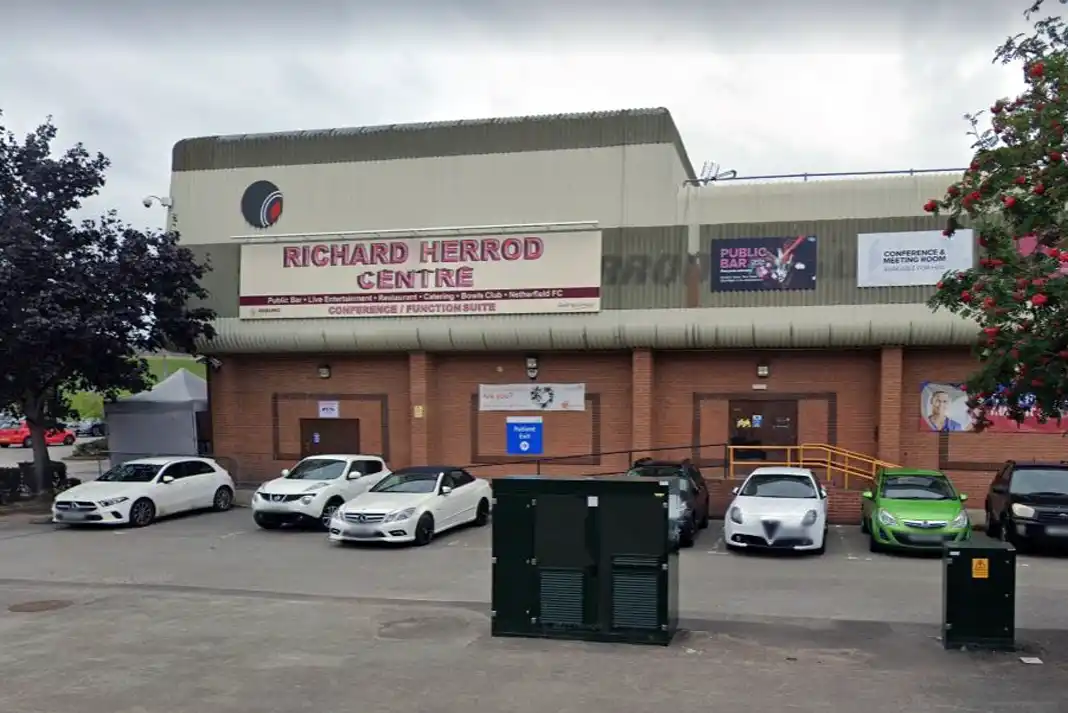
An indoor bowls club in Carlton is still “pushing” to be included in wider leisure centre redevelopment plans as the end of its lease nears.

Back in September 2025, the fate of Gedling Indoor Bowls Club was left vulnerable after Gedling Borough Council’s cabinet decided to no longer include the club in its plans to replace Carlton Forum Leisure Centre and the Richard Herrod site with a new building.

Under the plans, a new ‘Carlton Active’ leisure and community facility would be built on the Richard Herrod site, which could include an eight-lane swimming pool and teaching pool, a 100-station gym, community rooms and a café.

September’s cabinet meeting saw the authority offering “non-financial support” to the bowls club, due to financial reasons, to look at relocation options. Up until that point, the club had been included in redevelopment proposals.

PICTURED: Richard Herrod Centre in Carltion

The fight to keep the bowls facility included continued in November when a petition signed by more than 1,000 people was presented to councillors calling on the authority to “reinstate, retain and protect” indoor bowling in plans. The decision to respond to the petition was then deferred to a later cabinet meeting.

The council’s response to the petition was recently confirmed for a cabinet meeting on February 19, 2026.

Ian Summerscales, director of the bowls club, told the local democracy reporting service (LDRS) that the wait time until February’s meeting is “unnerving” but the club was still “pushing” to be included in the new centre.

He said: “That in itself is quite concerning because our lease expires on the 30th of April.

“If they’re making the final decision by February, it leaves no time to raise any sort of objection or do anything further to try to persuade them to change their plans.

“To be fair, [the council] did they they’d take on board the petition, but the decision’s going to be taken by their cabinet, effectively all [the majority Labour party]. We’re sceptical they’ll change their minds at all.”

The bowls club has previously questioned the council’s concerns over the financial viability of keeping it included in plans.

Speaking during November’s meeting, Councillor Henry Wheeler (Lab), portfolio holder for lifestyles, health and wellbeing, said a six-rink bowls facility would add between £5.6 million to £7.7 million to capital costs, leaving the authority a subsidy of around £500,000 a year.

Mr Summerscales told the LDRS: “They’ve got a staffing budget of around £300,000. The staff there are brilliant, we wouldn’t want to see them lose their jobs.

“When we asked the council about the budget they said none of the staffing budget or costs are in any way attributable to the provision of indoor bowls – we would suggest if there is a subsidy, it isn’t down to the provision of the indoor bowls.”

He added there is “misinformation” being shared regarding the club being including in the redevelopment, saying: “The council says we were consulted on the possibility of having four or five rinks – we’ve currently got six – and the original proposal was to provide three rinks.

“We haven’t been – not at any point have we been consulted.”

Mr Summerscales previously told the LDRS in November that the club is willing to work with the authority on assessing alternative inclusion options and their financial viability on both sides, saying “we’re fairly confident we would be able to make anything work”.

Now, he says the deferred decision about the club’s future at the site is ‘keeping him awake’.

He said: “I was quite worried when we renewed our subscriptions in September our membership would go down – it’s actually gone up.

“We’re still attracting members, still doing taster sessions, still doing sessions with social prescribing routes, all to support people’s health and wellbeing.

“When the centre closes, that sense of social isolation for lots of members will be quite something – it could mean their lives shortened.

“Just having somewhere to go where they can have a chat and a drink. I see it everyday when I go down there, it’s heart-warming to see. The thought of a number of them being sat at home on their own with no contact with anybody [is horrible].”

The club runs 2,200 sessions each month, including sessions offered for disabled bowlers, and members are aged between 25 and 92.

It is assessing a ‘contingency’ plan to “hold the club together” when the Richard Herrod site eventually closes, such as holding games evenings and organising entertainment nights.

A Gedling Borough Council spokesperson said: “The Council is continuing to work closely with Gedling Indoor Bowls Club following the decisions made at Cabinet in September. We recognise the concerns that have been raised and remain committed to supporting members while Cabinet considers the petition and the next stages of the Carlton Active project in February.

“A full statement has been shared to address the current points raised, and further information will be provided as soon as the formal decision-making process progresses.”

According to the council, a feasibility review has identified 18 potential sites, including refurbishment options and new-build options, when assessing the club’s relocation.

Mr Summerscales said the options “are not worth the paper it’s written on” and raising the money to move into such sites is a “pipe dream”.

Both leisure centres currently face more than £2 million in backlog works and require a yearly subsidy of around £545,000, making them “unsustainable in their current form”, according to council papers.

Effortless Packing: How to Pack Light for a Hiking Weekend Getaway

Packing for a weekend hiking trip can feel like a balancing act between comfort and practicality. Every extra item adds weight that can slow you down on the trail, yet leaving behind something essential can compromise your experience. 

The key to successful packing lies in finding that middle ground: bringing what truly matters while keeping your load light enough to enjoy the journey.

This guide provides a practical approach to packing efficiently for a hiking weekend. From choosing the right backpack to organizing essential gear, it outlines the habits and strategies that help you move freely, stay safe, and remain comfortable throughout your adventure.

What is the one mindset that makes packing light simple?

The foundation of light packing begins with a shift in mindset. Instead of asking, “What might I need?” ask, “What can I not do without?” This approach helps you separate genuine necessities from unnecessary extras. Every item should serve a clear purpose — ideally, more than one. A good rule is that if something doesn’t add comfort, safety, or function, it doesn’t belong in your pack.

To apply this mindset effectively, begin with a checklist. Divide your items into three groups: must-have, nice-to-have, and leave-behind. Be honest during this process. Reducing redundancy, such as avoiding multiple shirts or duplicate tools, makes a dramatic difference in pack weight. Not only does this lighten the load, but it also simplifies your trail experience: fewer items to manage, fewer decisions to make.

Packing light isn’t about cutting corners; it’s about efficiency. By carrying less, you move more easily, conserve energy, and focus on the actual purpose of your trip: enjoying nature rather than managing gear.

Which backpack size and features are ideal for a weekend hike?

The best hiking backpack for a short trip combines comfort, structure, and smart design. For most weekend getaways, a 20–35-liter capacity is ideal. It provides enough room for essentials while preventing the temptation to overpack.

When selecting a backpack, prioritize fit first. The hip belt should sit snugly around your hips, bearing roughly 60–70% of the pack’s weight. Shoulder straps should follow your natural contours without digging in. Adjustable torso lengths and padded straps can make a noticeable difference over long distances.

Functionality also matters. Look for internal compartments to help distribute weight evenly and exterior loops or straps for carrying trekking poles or sleeping pads. Compression straps help stabilize the load, and hydration compatibility lets you carry a reservoir for easy access to water. Lightweight materials are beneficial, but durability shouldn’t be sacrificed; a torn pack can derail an otherwise smooth trip.

Testing your pack before the trip is equally important. Load it with typical items, walk for a few minutes, and adjust until the balance feels right. A properly fitted pack ensures stability on uneven trails and keeps strain off your shoulders and back.

What are the truly essential items you cannot cut corners on?

Even when packing light, certain items are non-negotiable. These form the backbone of a safe and comfortable hike.

  1. Navigation and safety: Always carry a map, compass, or GPS device, and a headlamp with spare batteries. A small whistle and personal first-aid kit are lightweight additions that can make a significant difference in emergencies.
  2. Shelter and sleep: A compact tent, bivy, or tarp setup is crucial for overnight trips. Pair it with a lightweight sleeping bag rated for the expected temperatures and a thin but durable sleeping pad. These ensure insulation and rest without adding unnecessary bulk.
  3. Clothing: Adopt a layering system instead of multiple heavy garments. Bring a breathable base layer, a warm mid-layer (like fleece), and a waterproof outer shell. Add a second pair of socks for rotation and a lightweight hat or buff for sun and temperature protection.
  4. Food and water: Opt for dehydrated or high-calorie trail meals that pack small and cook quickly. Carry a lightweight stove only if essential; otherwise, cold-soak meals or ready-to-eat options can work. Always include a water filtration system — tablets, filters, or UV pens — since carrying excessive water increases pack weight.
  5. Footwear: Proper hiking shoes or boots provide support and grip. A light camp shoe can be a small luxury for evenings, but avoid bringing more than one extra pair.

The goal is to bring compact, reliable gear that supports your safety and comfort without weighing you down.

How can you pack smartly to save space and weight?

The way you organize your backpack can be as important as what you put in it. Start with load distribution: heavier items, such as your food bag or tent, should sit close to your spine and near the middle of the pack to maintain balance. Lighter items, like clothing or a sleeping bag, can fill the bottom or outer areas.

Packing cubes or dry bags are helpful for organizing categories — food, clothing, and sleep gear — while keeping contents dry. Rolling clothes instead of folding them saves space and minimizes wrinkles. Compression sacks work well for sleeping bags or bulky clothing layers.

Multiuse items further reduce the load. A bandana can serve as a towel, head covering, or filter pre-screen; a titanium mug doubles as a bowl; trekking poles can support a tarp shelter. Substituting heavy equipment with ultralight versions like an inflatable pillow instead of foam or collapsible cookware can easily trim weight without losing comfort.

Proper organization also improves efficiency on the trail. You’ll spend less time searching for items and more time enjoying the hike.

Which items are commonly packed but can be left behind?

Many hikers overload their packs with unnecessary luxuries. To stay efficient, leave behind anything that doesn’t directly support your hike’s duration or conditions.

Extra shoes, full grooming kits, and multiple chargers are among the most common offenders. You rarely need more than two complete sets of clothing; one for hiking, one for camp. Heavy photography gear or full-size tripods can stay home unless documenting the journey is the main goal.

When it comes to accessories, a single pair of glasses with proper UV protection and durable frames can replace multiple eyewear options. Compact, versatile, and travel-ready, they protect your eyes without adding unnecessary weight.

Before finalizing your pack, reassess each item. If you didn’t use it during your last hike, it likely won’t be essential this time either.

How to maintain comfort without hauling weight?

Light packing should never come at the expense of comfort. Instead, aim to maximize comfort per gram. Start with a quality sleep system that balances warmth and size, a down-filled sleeping bag and insulated air pad can offer both without bulk.

Foot care also plays a major role. Quick-drying socks prevent blisters, and lightweight gaiters keep dirt out of your boots. Take short breaks to remove your shoes and air your feet.

For hydration, plan your water strategy around known refill points rather than carrying all your water at once. A one-liter capacity with a filtration system is often sufficient for trails with streams or stations.

Finally, remember that packing light enhances your endurance and comfort simultaneously. Less strain on your body means you can hike farther and enjoy the scenery more.

Quick checklist to pack the night before

  • Backpack (20–35L)
  • Sleeping bag and compact shelter
  • Lightweight stove and meal kit
  • Food and snacks for two days
  • Water filter or purification tablets
  • Map, compass, or GPS
  • First-aid kit and repair tape
  • Multiuse tools (knife, bandana, paracord)
  • Layered clothing system
  • Hiking shoes or boots
  • Sun protection (hat, sunscreen, glasses)
  • Power bank and permit copies

This checklist ensures you bring only what’s necessary while keeping your load manageable.

What are simple habits to keep gear light over time?

Packing light improves with experience. After each trip, review what you used and what stayed untouched. Gradually eliminate nonessential items from your routine.

Investing in ultralight or multiuse gear can reduce future weight. Over time, these replacements such as compact cooking systems or lightweight tents make a noticeable difference. Learning to wash clothes during trips or sharing communal gear with a hiking partner also minimizes the load.

Staying disciplined with these habits ensures your backpack remains streamlined for every trip ahead.

Packing light isn’t a one-time skill but a habit developed through deliberate choices and honest evaluation. By prioritizing essentials, organizing efficiently, and embracing versatility, you can make every hiking weekend easier and more enjoyable.

A lighter pack translates to better balance, less fatigue, and more freedom to focus on the experience itself. Each item you remove is a step closer to effortless movement, where the trail becomes the reward not the struggle.

Nottingham’s Top Gaming Halls

Nottingham has long been one of the Midlands’ liveliest cities, known for its mix of nightlife, culture and entertainment. Among its many attractions, gaming halls and casinos stand out as popular destinations for both locals and visitors. Whether you enjoy table games, slots or simply the social atmosphere, the city offers a range of venues that cater to different tastes and styles. From large gaming floors to more intimate halls, Nottingham’s gaming scene remains one of the region’s most diverse.

A City That Sets the Stage

Nottingham’s appeal stretches far beyond its gaming halls. The wider city is known for its vibrant nightlife, cultural events and steady growth in leisure activities. The area continues to build its reputation as one of the region’s most entertaining and community focused destinations. This thriving social scene provides the perfect backdrop for gaming halls to flourish, attracting both locals and visitors who enjoy the city’s balance of modern entertainment and historic charm.

Dusk Till Dawn Poker and Casino

Dusk Till Dawn is one of the most well-known gaming venues in Nottingham, famous across the UK for its poker tournaments and vibrant casino floor. Players can enjoy live poker events, a wide variety of tables and a selection of digital games. Its reputation as a friendly yet competitive venue attracts a wide mix of players, from beginners to seasoned regulars.

Alea Nottingham

Located in the city centre, Alea Nottingham offers a stylish casino environment with a range of classic and modern games. Visitors will find blackjack, roulette, electronic terminals and a buzzing bar area. Alea is known for its welcoming atmosphere and often hosts themed nights and entertainment, making it a great choice for a complete night out.

The Broadway Casino Rooms

Smaller than the large casinos, the Broadway Rooms offer a more relaxed gaming experience. The venue includes electronic slot machines, bingo-style games and community events. Many players appreciate its local charm and friendly environment, making it ideal for a quieter evening of entertainment.

Slots and Online Options

Alongside Nottingham’s physical venues, many players also enjoy the flexibility of digital platforms, which provide easy access to games from home. Modern gaming sites now include immersive visuals, themed rooms and community chat features. So it has become the norm for well-known platforms to offer all of the most popular slots games as well as modern variations.

Online options complement Nottingham’s gaming halls by giving players 24 hour access to a wide selection of games, bridging the gap between in person entertainment and digital convenience.

A Growing Entertainment Hub

Nottingham remains one of the Midlands’ most exciting entertainment cities. Its combination of established casinos, friendly local halls and growing online gaming interest makes it a vibrant hub for both casual visitors and regular players. Whether you enjoy a busy casino atmosphere or a relaxed evening at a neighbourhood venue, Nottingham’s gaming halls continue to offer something for everyone.

Part F Building Regulations Explained: What UK Homeowners Need to Know This Winter

With UK households facing another winter of volatile energy prices, ventilation efficiency has become a key focus for both homeowners and building professionals. According to the latest ONS data, domestic energy costs remain 18–22% higher than pre-2021 levels, putting pressure on households to reduce heat loss wherever possible. What many don’t realise is that poor ventilation design can account for up to 15% of total heat loss in older properties.

This is where the updated Part F Building Regulations play a crucial role. The 2022 revisions – now fully adopted into new-build standards heading into the 2025-2026 season – emphasise higher airflow requirements, clearer commissioning procedures, and improved indoor air quality. But they also highlight an important challenge: increasing ventilation without losing precious heat during winter.

To bridge this gap, more UK homes are turning to heat recovery systems, which extract stale air while recovering a large portion of the heat that would otherwise escape. When correctly sized and installed, modern MVHR units can recover up to 90% of heat, dramatically reducing the load on central heating. Even for older or smaller homes, decentralised heat recovery systems are becoming a cost-effective upgrade, especially in properties without existing ductwork.

Industry analysts expect adoption to rise sharply in 2025-2026, driven by two trends:

  • Greater awareness of indoor air quality following recent respiratory illness seasons.
  • Financial incentives and EPC pressure are encouraging homeowners to improve energy efficiency.

As colder months approach, ventilation is no longer just about airflow – it has become a strategic energy-saving tool for households looking to stay warm without overspending.

What is Part F of the Building Regulations?

Part F is the section of the UK Building Regulations that sets out requirements and guidance for ventilation in buildings, with a focus on ensuring adequate fresh air and preventing problems like condensation, damp and indoor pollutants. The official guidance is published as Approved Document F, with Volume 1 applying to dwellings and Volume 2 to non-residential buildings. 

The core legal requirement of Part F (often termed Requirement F1) is simple in principle: there must be adequate means of ventilation provided for people in the building. In practice, that means systems and design features that work together to bring fresh outdoor air into a property and remove stale or polluted indoor air.

Why Ventilation Matters, Especially in Winter

During winter in the UK, homes are typically insulated and sealed to keep heat in and reduce energy bills. This makes sense from an efficiency perspective, but it can have unintended consequences for indoor air quality.

Common winter issues include:

  • Condensation and mould: Moisture from showering, cooking, and even breathing can build up on cold surfaces when ventilation is inadequate, creating ideal conditions for mould growth – a risk highlighted in seasonal home maintenance advice. 
  • Poor air quality: Without ventilation, levels of carbon dioxide and indoor pollutants can rise, leading to discomfort, headaches or sleep issues.
  • Energy trade-offs: While opening windows to ventilate is effective, it also lets precious heat escape, a concern for many households already struggling with high energy costs.

Part F aims to strike a balance: enabling airflow without unnecessary heat loss, by promoting both background ventilation and mechanical extract systems where appropriate.

Key Changes and Practical Requirements in Approved Document F

The most recent version of Approved Document F came into effect in June 2022 and includes updated guidance to reflect modern building practices and energy-efficient homes. Some important points include:

  • Homes must maintain continuous background ventilation to dilute pollutants and moisture.
  • Areas with high humidity or pollutants – such as kitchens and bathrooms – require extract ventilation at specified rates.
  • Mechanical ventilation cannot be an afterthought; it must be commissioned and tested to ensure it meets performance criteria.
  • Any renovation or window replacement must not reduce the overall ventilation below the previous level.

One practical example is the requirement for trickle vents in replacement windows, which allow a measured amount of fresh air into a room even when windows are closed. These small but significant provisions help maintain airflow without major heat loss.

How Part F Interacts With Other Regulations

Ventilation and energy efficiency are closely linked. While Part F focuses on indoor air quality and moisture control, Part L of the Building Regulations deals with energy conservation and heat loss. Achieving both good ventilation and high energy performance requires careful integration of these standards in building design and renovations.

For example, a property sealed tightly to meet Part L might need well-designed extract fans or passive airflow paths to comply with Part F without causing excessive heat loss.

Real-World Impact: Health and Energy in Winter 2025-2026

Recent surveys and seasonal commentary highlight how ventilation issues manifest in everyday UK homes. As winter deepens, techniques such as “shock ventilation” – briefly opening windows to clear condensation – are recommended to tackle excess moisture while limiting heat loss.

Meanwhile, rising energy costs mean many households are cautious about how long they heat their homes. In previous winters, millions of British households reported not turning on heating even when cold, often to save money, which can exacerbate condensation and indoor air problems if ventilation is poor.

Proper ventilation under Part F supports healthier indoor environments without reckless heat loss, but homeowners and builders must understand and correctly implement the guidance.

Practical Tips for Homeowners This Winter

Even if you’re not planning construction work, there are steps you can take to improve indoor air quality in line with Part F principles:

  • Use extract fans in bathrooms and kitchens when cooking or showering.
  • Ventilate briefly but regularly – even in cold weather – to reduce moisture buildup. 
  • Homes and Gardens
  • Check vents and air bricks are clear and unobstructed.
  • Avoid drying laundry indoors without adequate airflow.

Where mechanical systems are installed, make sure they have been commissioned and tested to deliver the required airflow rates – this is not just good practice but a regulatory expectation for new or altered ventilation installations.

Looking Ahead: Building for Health and Efficiency

As climate patterns shift and the UK continues to prioritise both energy efficiency and public health, ventilation standards like those in Part F will play an increasingly important role. Good ventilation keeps homes healthier, reduces mould risk and works alongside energy-saving measures to create comfortable, efficient living spaces.

In winter 2025-2026 and beyond, understanding and applying these regulations isn’t just about compliance – it’s about creating homes that support well-being throughout the year.

Mapperley cannabis grow house boarded up after police raids

Police have secured a court order to shut down a property in Mapperley being used to grow cannabis.

The semi-detached house in Porchester Road has been raided twice in the past year and on both occasions officers discovered it had been converted into a drugs factory.

Officers have now secured a closure order, which will remain in place for six months.

The team executed the latest warrant at the address on November 10, 2025.

Police boarded up the property in Mapperley

A man, later discovered to be Gezim Celaj, was spotted running through the property as officers forced open the front door.

He was detained in the living room and searches then uncovered 72 cannabis plants across two growing areas in a bedroom and the loft.

Celaj, aged 21, of Porchester Road, pleaded guilty to producing a Class B drug.

At Nottingham Crown Court on Friday (12) he was jailed for six months.

As well as placing Celaj before the courts, officers also worked on securing a closure order so the property cannot be used as a drugs den in future.

Police Constable Emily Hart said: “Warrants have been executed at the address twice this year and on both occasions the house had been turned into a drugs factory.

“Grows like these act as a magnet for other criminals who want to steal the crop, bring associated antisocial behaviour and risks from fire because of the dangerous abstracting of electricity we often see.

“For these reasons it was pleasing to be able to place Celaj before the courts and shut the property down so it cannot be used as a drugs den in future.

“Securing these orders requires a great deal of work from officers before the case is presented to magistrates and I hope members of the community welcome these efforts.”

Gedling Borough Council needs more than 800 homes to bridge gap in housing supply over next five years

Gedling Borough Council needs to bridge a gap of more than 800 homes in its housing supply over the next five years.

Gedling Borough Council’s housing deficit was noted in the authority’s cabinet meeting on Thursday (11) in a report outlining its five-year housing land supply position as at the end of March 2025.

National planning policy requires council’s to update their housing land supply assessments each year and Gedling’s most recent one is showing an undersupply of 846 homes by the end of March 2030.

It is assessed against the housing requirement calculated using the government’s ‘standard methodology’ – used for calculating the minimum housing need for each local authority – which was updated in December 2024 as part of the Labour Government’s push for 300,000 new homes a year.

Based on this updated housing formula, the housing need for Gedling Borough is now 638 homes a year – that’s up from the previous 460 homes.

Along with an applied five per cent buffer, this equates to 3,350 homes in five years but the current estimated housing supply for this period is 846 fewer at 2,504 homes, meaning the authority has a 3.73 year supply.

Housing
The housing need for Gedling Borough is now 638 homes a year – that’s up from the previous 460 homes.

Documents say this is a “significant decrease” from the figure in 2024 which showed the authority having a 6.19 year housing supply.

According to documents, the “main reason” for the undersupply relates to the government’s updated housing formula causing a “significant increase” in the amount of properties Gedling needs to deliver each year.

The authority says the updated formula is also a reason behind why it pulled out of the Greater Nottingham Strategic Plan in March 2025.

This is a partnership with Nottingham City Council, Broxtowe Borough Council and Rushcliffe Borough Council to guide future development, housing and and infrastructure – Gedling withdrew from this to create its own ‘Gedling Local Development Plan’. This is planned to be submitted to the government in December 2026 with implementation in 2028.

When asked how the council plans to bridge the more than 800-home gap, a council spokesperson said in a statement: “The council is currently progressing a new Local Plan to ensure an ongoing supply of housing land and to meet our increased housing targets in full.

“An Issues and Options consultation took place in July 2025, and a further consultation on the draft plan is proposed for the New Year.”

Various housing schemes are underway across the borough with some set to deliver new homes by 2030.

These include 131 factory-built affordable homes in Rolleston Drive, Arnold, which are set to fully complete in 2026, the over 900-home Gedling Colliery and Chase Farm development which has 331 properties left to be built as at March 2025 and the Teal Close development in Carlton which has 507 out of 807 homes built as of March 2025.