Home Blog

Police launch murder investigation after 26-year-old man hit by car in Arnold town centre dies

A murder investigation is now underway following the death of a man who was hit by a car at the weekend in Arnold.

Multiple pedestrians were injured after a red Vauxhall Astra mounted a kerb and struck a group of people in the town centre.

One of the pedestrians – who can now be named as Tyler Fairman – sustained life-threatening injuries during the incident.

The 26-year-old was immediately rushed to hospital following the collision in Market Place, at 1.12am on Saturday (9).

Despite the best efforts of medical professionals, Tyler was pronounced dead a few days later, on Tuesday (12) night.

Suspect Duane Anthony was arrested on the Saturday evening and charged with five counts of attempted murder on Monday (11) morning. 

The 40-year-old was additionally charged with aggravated vehicle taking, driving while disqualified and driving without valid insurance.

Anthony was remanded into custody on Monday. He is currently next due to appear at Nottingham Crown Court on 8 June.

Detective Chief Inspector Ruby Burrow, who is leading the investigation for Nottinghamshire Police, said: “As we release the sad news of Tyler’s death, our first thoughts go to his family and loved ones at this difficult time.

“Both they and the other people injured or affected by this collision continue to be supported by specially trained police officers.

“We can also confirm today that this is now a murder investigation.

“As such, criminal proceedings are active, so anything relating to this incident should be shared with the police, not online, as doing so could potentially impede the pursuit of justice.

“We are aware of videos of the incident circulating on social media and have informed the victims and their families of this.

“They have appealed to anyone who has shared or posted any such videos to take them down immediately so that Tyler’s family can grieve in peace.”

Anyone who witnessed what happened or has any information relating to the incident should please call 101, quoting incident 46 of 9 May 2026.

Reminder over train timetable changes being introduced by East Midlands Railway this weekend

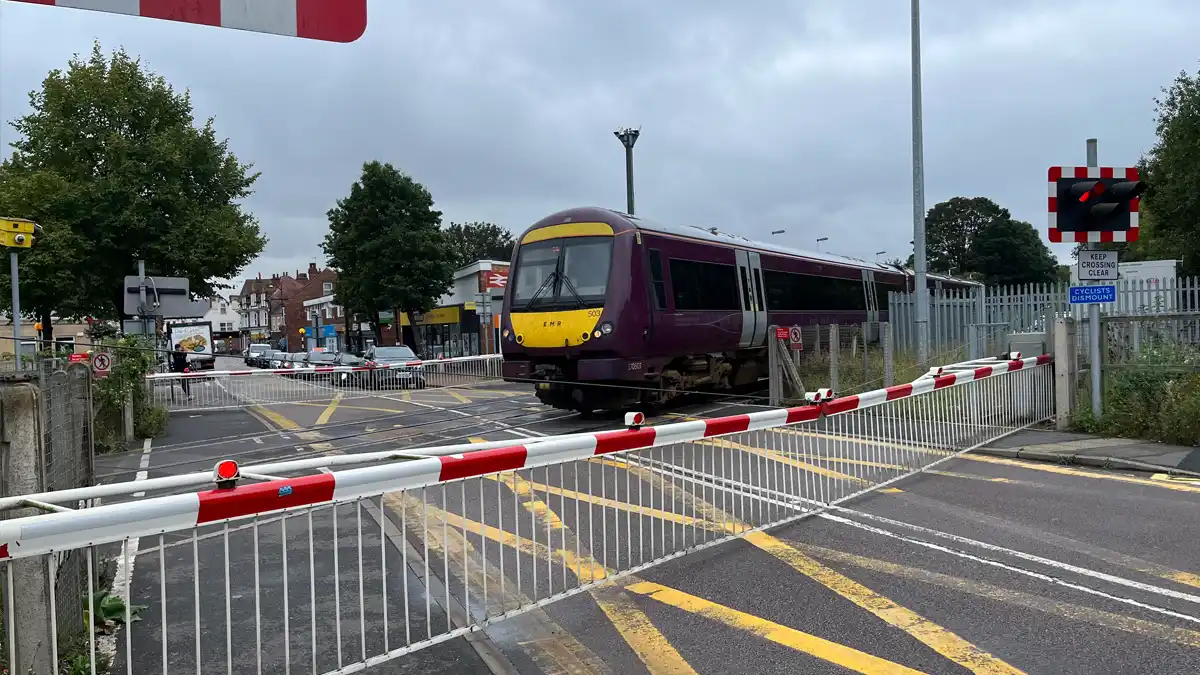
East Midlands Railway (EMR), introduce a number of timetable changes across its network from this Sunday (17) – including new Sunday services on the Robin Hood Line – which includes Newstead.

As part of the May timetable change, EMR will introduce six new Sunday services between Nottingham and Mansfield Woodhouse – boosting the number of services that call at Newstead.

The new services will depart:

From Nottingham

  • 10:06
  • 12:06
  • 14:06

From Mansfield Woodhouse

  • 11:06
  • 13:06
  • 15:06

The timetable change will also introduce an additional call at Netherfield on the 10:03 Nottingham to Skegness on weekdays and Saturdays.

Will Rogers, Managing Director at East Midlands Railway, said: “The new Sunday services on the Robin Hood Line will give communities along the route more flexibility to travel at weekends, while also helping to support local businesses and the Sunday economy.

“Alongside this, the additional stops and increased capacity on key leisure routes will help make it easier for customers to travel for days out, holidays and visits to friends and family.”

New vehicle to help police tackle rural crime across the borough

A brand-new vehicle will soon be in use across the borough to support police efforts to tackle rural crime and anti-social behaviour (ASB).

The all-terrain vehicle (ATV) is the first of its type to be deployed by us in the region – designed to handle any landscape, even in the toughest of conditions.

Officers covering rural areas will have access to the equipment so they can reach more remote and challenging areas, and in turn respond to reports of crime more efficiently.

The ATV will join our existing fleet of off-road 4x4s, quad bikes, and off-road bikes already available to officers.

The vehicles have been funded through the Office of the Police and Crime Commissioner for Nottinghamshire’s Safer4All grants.

Chief inspector Clive Collings, Nottinghamshire Police’s rural and wildlife crime lead, said: “We know that crime and anti-social behaviour are a concern for many across living and working across rural Nottinghamshire and can have a devastating impact on the livelihoods of people within those communities.

“This all-terrain vehicle will enhance our ability to prevent and detect crime, improve the quality of life within rural areas and help protect livestock, wildlife and the county’s green spaces. We see this as a vital tool in keeping rural areas safe for all.

“Tackling rural crime remains a priority for us. I encourage members of the community to speak up and work with us to help tackle these issues.

“If you are a victim of rural crime, please report it to by calling 101, or reporting online through the website.

“The more you report, the more action we can take.”

Roadworks and closures planned for Gedling borough this week

Take a look at the roadworks and closures scheduled for Gedling borough’s roads for the week beginning May 11.

Make sure to plan your journey and check before your travel as these planned works could affect you. 

Gretton Road, Woodthorpe
15 May
Road closure
Responsibility for works: Severn Trent Water

Mansfield Road, Daybrook
17 May – 18 May
Roadworks, Delays likely
Responsibility for works: Severn Trent Water

Park Road, Carlton
15 May – 20 May
Road closure
Responsibility for works: Nottinghamshire County Council

Ravenswood Road, Arnold
12 May – 18 May
Road closure
Responsibility for works: Nottinghamshire County Council

Ashwater Drive, Mapperley
13 May – 14 May
Roadworks, Delays possible to refresh road markings at junction Chedington Avenue
Responsibility for works: Nottinghamshire County Council

Ballantrae Close, Arnold
14 May – 18 May
Roadworks, Delays possible
Responsibility for works: Openreach

Beech Avenue, Woodthorpe
14 May – 15 May
Roadworks, Delays possible
Responsibility for works: Nottinghamshire County Council

Berriedale Close, Arnold
15 May
Roadworks, Delays possible
Responsibility for works: Nottinghamshire County Council

Connelly Close, Arnold
14 May – 18 May
Roadworks, Delays possible
Responsibility for works: Openreach

Darlton Drive, Arnold
13 May
Roadworks, Delays possible
Responsibility for works: Openreach

Foxwood Lane, Woodborough
15 May – 18 May
Roadworks, Delays possible
Responsibility for works: Nottinghamshire County Council


Green Lane, Lambley
14 May – 15 May
Roadworks, Delays possible
Responsibility for works: Nottinghamshire County Council

Hillside Avenue, Mapperley
15 May – 18 May
Roadworks, Delays possible
Responsibility for works: Nottinghamshire County Council

Main Street, Papplewick
15 May
Roadworks, Delays possible
Responsibility for works: Nottinghamshire County Council

Mapperley Plains, Arnold
14 May – 15 May
Roadworks, Delays possible
Responsibility for works: Nottinghamshire County Council

Moor Road, Papplewick
13 May – 15 May
Responsibility for works: Severn Trent Water

Park Lane, Lambley
14 May – 15 May
Roadworks, Delays possible
Responsibility for works: Nottinghamshire County Council

Robinson Road, Mapperley
14 May – 15 May
Roadworks, Delays possible
Responsibility for works: Nottinghamshire County Council

Shelford Road, Gedling
14 May – 15 May
Roadworks, Delays possible
Responsibility for works: Nottinghamshire County Council

Shelt Hill, Woodborough
15 May – 18 May
Roadworks, Delays possible
Responsibility for works: Nottinghamshire County Council

Spring Lane, Lambley
14 May – 15 May
Roadworks, Delays possible
Responsibility for works: Nottinghamshire County Council

Station Road, Burton Joyce
17 May – 24 May
Roadworks, Delays possible
Responsibility for works: Nottinghamshire County Council

Thrapston Avenue, Arnold
14 May – 16 May
Roadworks, Delays possible
Responsibility for works: Openreach

VMS Solutions: A Game Changer for Healthcare Staffing

0

Healthcare staffing has always been a complex process. Hospitals and clinics need the right professionals at the right times and often on short notice. Balancing schedules, credentials, and patient needs can quickly become chaotic and overwhelming. That’s why many organizations are turning to smarter tools to simplify and improve the process.

One of the most effective tools gaining attention today is VMS for locum tenens. A VMS helps healthcare facilities organize, track, and manage their staffing needs in one central place. This is especially helpful when working with temporary providers. It helps make the entire process smoother and more efficient.

What Is a VMS?

A vendor management system is a digital platform designed to streamline staffing operations. Instead of juggling multiple emails, spreadsheets, and phone calls, everything is managed through one system. With a VMS, healthcare facilities can post job openings, review candidates, track assignments, and manage communications with staffing agencies. This level of organization helps reduce confusion and ensures that nothing falls through the cracks.

Simplifying the Hiring Process

One of the biggest advantages of a VMS is how it simplifies hiring. Traditionally, filling a position could take days or even weeks, especially when coordinating with multiple agencies. A VMS speeds up this process by allowing facilities to share job openings instantly with approved vendors. Agencies can quickly submit qualified candidates, and hiring managers can compare options side by side. That makes it easier to choose the best fit in less time.

Increasing Transparency and Control

Transparency is another key benefit of using a VMS. Healthcare organizations can see exactly what’s happening at every stage of the staffing process. From pay rates to candidate statuses, everything is clearly documented. That helps reduce misunderstandings and ensures that all parties are on the same page. It also gives administrators greater control over budgets and staffing decisions.

Improving Compliance and Credential Tracking

In healthcare, compliance is crucial. Every provider must meet strict licensing and credential requirements before starting work. A VMS helps manage this by keeping all necessary documents in one place. It can send reminders for expiring licenses, track certifications, and ensure that every professional meets the required standards. This reduces risks and helps maintain high-quality care for patients.

Supporting Locum Tenens Staffing

Locum tenens providers play an important role in filling temporary gaps, whether they’re due to staff shortages, vacations, or unexpected upticks in demand. However, managing these assignments can be challenging without the right system in place. A VMS makes it easier to coordinate locum tenens staffing by organizing schedules, tracking assignments, and maintaining clear communication between facilities and agencies. That leads to better coverage and fewer disruptions in patient care.

Saving Time and Reducing Costs

Efficiency isn’t just about speed; it also impacts cost. By streamlining staffing processes and reducing manual work, a VMS helps healthcare organizations save both time and money. Having fewer administrative tasks means staff members can focus on more important responsibilities. At the same time, better oversight helps prevent overspending and ensures that resources are used wisely.

A Smarter Way Forward

As healthcare continues to evolve, the need for flexible and efficient staffing solutions will only grow. VMS platforms offer a modern approach that helps facilities stay organized, responsive, and prepared. By simplifying hiring, improving transparency, supporting compliance, and providing other benefits, VMS solutions are truly changing the way healthcare staffing works. For facilities that are looking to keep up with demand while maintaining quality care, adopting a VMS can be a smart and practical step forward.

VMS Solutions: A Game Changer for Healthcare Staffing

Healthcare staffing has always been a complex process. Hospitals and clinics need the right professionals at the right times and often on short notice. Balancing schedules, credentials, and patient needs can quickly become chaotic and overwhelming. That’s why many organizations are turning to smarter tools to simplify and improve the process.

One of the most effective tools gaining attention today is VMS for locum tenens. A VMS helps healthcare facilities organize, track, and manage their staffing needs in one central place. This is especially helpful when working with temporary providers. It helps make the entire process smoother and more efficient.

What Is a VMS?

A vendor management system is a digital platform designed to streamline staffing operations. Instead of juggling multiple emails, spreadsheets, and phone calls, everything is managed through one system. With a VMS, healthcare facilities can post job openings, review candidates, track assignments, and manage communications with staffing agencies. This level of organization helps reduce confusion and ensures that nothing falls through the cracks.

Simplifying the Hiring Process

One of the biggest advantages of a VMS is how it simplifies hiring. Traditionally, filling a position could take days or even weeks, especially when coordinating with multiple agencies. A VMS speeds up this process by allowing facilities to share job openings instantly with approved vendors. Agencies can quickly submit qualified candidates, and hiring managers can compare options side by side. That makes it easier to choose the best fit in less time.

Increasing Transparency and Control

Transparency is another key benefit of using a VMS. Healthcare organizations can see exactly what’s happening at every stage of the staffing process. From pay rates to candidate statuses, everything is clearly documented. That helps reduce misunderstandings and ensures that all parties are on the same page. It also gives administrators greater control over budgets and staffing decisions.

Improving Compliance and Credential Tracking

In healthcare, compliance is crucial. Every provider must meet strict licensing and credential requirements before starting work. A VMS helps manage this by keeping all necessary documents in one place. It can send reminders for expiring licenses, track certifications, and ensure that every professional meets the required standards. This reduces risks and helps maintain high-quality care for patients.

Supporting Locum Tenens Staffing

Locum tenens providers play an important role in filling temporary gaps, whether they’re due to staff shortages, vacations, or unexpected upticks in demand. However, managing these assignments can be challenging without the right system in place. A VMS makes it easier to coordinate locum tenens staffing by organizing schedules, tracking assignments, and maintaining clear communication between facilities and agencies. That leads to better coverage and fewer disruptions in patient care.

Saving Time and Reducing Costs

Efficiency isn’t just about speed; it also impacts cost. By streamlining staffing processes and reducing manual work, a VMS helps healthcare organizations save both time and money. Having fewer administrative tasks means staff members can focus on more important responsibilities. At the same time, better oversight helps prevent overspending and ensures that resources are used wisely.

A Smarter Way Forward

As healthcare continues to evolve, the need for flexible and efficient staffing solutions will only grow. VMS platforms offer a modern approach that helps facilities stay organized, responsive, and prepared. By simplifying hiring, improving transparency, supporting compliance, and providing other benefits, VMS solutions are truly changing the way healthcare staffing works. For facilities that are looking to keep up with demand while maintaining quality care, adopting a VMS can be a smart and practical step forward.
Annual Leave Strategies for a More Balanced Life

The way we work has changed in the last few years. Where once we shut down our desktop computer and went home, hybrid working has increased the likelihood of us logging onto the work laptop after hours. Add to that, the use of workplace messaging apps on our personal phones and it can feel like our professional life is merging into the personal.  

With burnout becoming one of the UK’s biggest workplace concerns, time away from our workload has never been so important. When you use your annual leave strategically, you give your brain space to recover properly and return to work with more energy instead of running on empty.

Here are some ways to maximise your leave and boost your wellbeing.

Master the 16-day stretch hack

By synchronising your leave with bank holidays in the UK, you can make the most of your annual leave. There are several still to take in 2026, from the August bank holiday to the ones over the festive break.

To fully benefit, try looking towards Easter 2027 to maximise your freedom. Next year, Good Friday falls on 26 March and Easter Monday on 29 March. If you book eight days of leave between 22 March and 2 April, the surrounding weekends and public holidays give you 16 consecutive days off.

This long break matters because it gives you time to fully let go of work notifications and mental to-do lists. By securing a two-week window, you enjoy an extended period of rest.

High-altitude holidaying: The skiing reset

Booking a winter getaway now can give you something to focus on and look forward to. This could be snowboarding or ski holidays and France is the ultimate destination for a snow-filled trip.

You simply cannot fret about quarterly reports while you navigate a challenging slope in the French Alps. Destinations like Avoriaz, Les Deux Alpes and Chamonix allow you to combine intense physical movement with enjoyable après-ski activities. You might spend your morning carving through fresh powder and your afternoon recovering in thermal hot springs or bio-saunas. Blending action with relaxation can be a thrilling way to spend a trip away.

Implement digital decompression days

Try dedicating your first morning of leave to a digital declutter, where you delete work-related apps and set an out-of-office reply. Use the final day of your break for re-entry, such as doing the weekly food shop or life admin.

This approach removes that Sunday night back-to-work dread and ensures you return to your desk feeling genuinely refreshed.

Schedule quarterly micro-breaks

If possible, try to avoid the common mistake of using your entire annual leave on a single summer trip. Taking mini breaks every few months can help you reset and ensure you can decompress.

If you have annual leave to look forward to every 90 days, it can make getting through the working week easier. Map out your year in advance to ensure these breaks fall during your most intense work quarters.

Practice quiet AL

Sometimes, the most beneficial choice for your health involves staying exactly where you are. You should consider using two or three days of leave to spend time at home without any travel logistics or social obligations.

This strategy allows you to catch up on sleep and gives you a chance to totally disconnect. Experts now recognise sleep as the primary source of work-life balance in 2026. If you use this quiet time to recalibrate your circadian rhythm, you will likely see an increase in your personal productivity upon your return.

Focus on your internal needs rather than external expectations to find true balance.

A Beginner’s Guide to Nottingham Racecourse

Nottingham Racecourse is set in Colwick Park on the eastern edge of the city, and has been a huge part of British horse racing for over a century. It is known for being a valuable flat racing venue with a straightforward track setup and regular fixtures that draw a crowd of both experienced and new fans. The course has developed a steady reputation, with plenty of quality race and horse racing betting opportunities, like many of the other reputable tracks across the country. It has a place in British horse racing culture, where the overall experience is catered towards the traditional elements while implementing some of the local culture.

The Location of Nottingham Racecourse

The racecourse is in Colwick Park, just a short distance east of Nottingham city centre. It is close to Gedling and other nearby suburbs, making it easy to reach without a long journey. The setting feels quite green and open thanks to its parkland surroundings and position near the River Trent, even though it is only a few minutes from the city. 

A Brief History

Racing in Nottingham dates all the way back to the 1700s; however, it wasn’t until 1892 when Colwick Park opened. It replaced some earlier venues that were not really established across the city, and gave a permanent home to the sport. As time went on, it developed into a dedicated flat racing course that remains a big part of the area today, attracting people from all across the East Midlands and beyond.

When Meetings Take Place

The racecourse runs a seasonal calendar, like many others across the country, mainly spanning from spring all the way through to autumn. Fixtures spread across the week and weekends with full-day meetings that depend on the event, but each offer an incredible atmosphere with dramatic racing. It does not rely on a single festival to succeed during the year, but offers frequent and regular racing that brings the local area together, as well as attracts enthusiasts to Nottingham each year.

The Racecourse Layout 

The course is a left-handed oval with a long finishing straight that provides a challenge to horses, testing their endurance. Viewing areas are spread around Colwick Park, including the available stands and open sections that allow for a good view of the track, no matter where people are. The layout is designed so that spectators can easily follow the action from all angles, as well as get access to any of the facilities.

What to Expect on Race Day

A race day at Nottingham usually includes several races across the afternoon or evening. Visitors often arrive early to look around, watch horses in the parade ring and get a feel for the atmosphere. The pace is relaxed between races, with food and drink available on site and steady movement between viewing areas. 

Tips for First Time Visitors

Dress is generally more casual than most of the other tracks around the country, although some of the hospitality areas do require some more smart clothing options. Most people often wear something that is more practical for the weather conditions on the day, as a result of a lot of the facilities being outdoors. For first-time visitors, it is common practice at any race track to dress to the occasion and climate, doing research beforehand on any dress codes and forecasts.

Accessibility

Nottingham Racecourse is relatively simple to reach from Gelding via car, with clear routes into Colwick Park making it easy to visit. Parking is usually available on the site and is managed on race days, as well as regular bus links from Nottingham city centre and taxis that connect the nearby areas. Its close location makes the travel to the track quick and straightforward.

Facilities

Nottingham Racecourse offers a variety of facilities designed to make a day at the track feel straightforward and as comfortable as possible. There are covered stands for viewing the races, as well as outdoor areas that allow people to be even closer to the action. Food and drink outlets can also be found around the site, which keep visitors on track for the full day, much like many other tracks. Overall, the venue offers everything that is required to make the day of the occasion, while offering some incredible racing action.

Why Nottingham Racecourse is Worth Visiting

Part of the appeal for Nottingham Racecourse is the facilities and racing action it offers, as well as the traditions it maintains. It is close to the city and is incredibly beneficial to the local area, bringing together people from surrounding areas to watch some of the top horses go head to head. It’s a perfect venue to visit for both enthusiasts and newbies, which is a credit to everything that is on offer.

The Evolution of Casino Gaming in Nottingham

Nottingham has a long history that stretches back to medieval times. Centuries before any form of formal gambling venues existed, Nottingham would host frequent fairs and inns, which offered a chance for people to play simple games that had become increasingly popular across many towns in England.

Over the decades, laws enacted by the UK Parliament began to shape what was permitted and how. From early changes in the 1960s that allowed more formalised betting establishments, to later national legislation that placed licensing in local hands, Nottingham’s approach reflects broader shifts in how public authorities regulate leisure activities, including those in modern training and entertainment spaces. 

Medieval Gaming Traditions

Long before the times of the online jackpot were introduced, people living in and around Nottingham would gather in its markets and inns to play simple games with friends or fellow travellers. Town fairs were a regular feature of life in medieval England and provided space for music, food, and various pastimes that included informal games. These early activities were not regulated in the way modern laws work, but they were woven into everyday social life, much like similar practices across other parts of the country at that time.

Folklore and Fairs

Stories about Nottingham’s past are often shaped by local legend, especially when it comes to how people spent their free time. Seasonal fairs and public gatherings offered residents a break from work and drew crowds into the town for food, music, and spectacle. The name of Robin Hood still hangs over the city’s history, even though historians debate how much of the tale is rooted in fact. In the noise and movement of inns and market squares, small games were simply part of the scene, played alongside trading, storytelling, and travelling performances.

Changing Laws

National laws passed by the UK Parliament have gradually shaped how activities linked to games are managed. One of the earlier changes came with the Betting and Gaming Act of 1960, which made different forms of betting and gaming lawful in licensed settings for the first time under post-war law reform. This shift was part of a broader move to bring different types of play out of informal or private spaces and into settings that were recognised and overseen by authorities. Later acts, including reforms in 2005 and 2014, updated the framework further to accommodate new forms of play and advertising across the country.

20th Century Expansion

During the twentieth century, licensed betting shops and bingo halls became part of everyday leisure in towns and cities across Britain. Licences issued by local magistrates under national legislation meant that people could visit recognised premises for various games within set rules and standards. This period saw a standardisation of how premises were run and what activities they could offer, ensuring a level of oversight that had not existed previously. These licensed venues were distinct from the unregulated street activity of earlier times and formed a recognisable part of the urban landscape.

Arrival of The Modern Casino

In contemporary Nottingham, venues with formal licences have existed alongside other licensed premises for decades. One of the best-known operators in the city is Grosvenor Casinos, a national company that has run a venue in Nottingham for many years. The brand was established in 1970 and has since grown to include sites in towns and cities across the country. Its premises provide table gaming and related facilities, all of which fall under the supervision of the UK Gambling Commission, the body responsible for regulating commercial gaming throughout Great Britain. There are also other card rooms and gaming clubs that have opened in Nottingham in the 2000s, adding to the variety of licensed leisure spaces available in the city.

Digital Transformation

Across the UK, technological change has made digital platforms more accessible and shaped how people engage with different forms of games and leisure. Changes to the law in the past decade altered how online services are regulated in Britain. The Gambling (Licensing and Advertising) Act 2014 introduced a point of consumption system, which means that companies based overseas must hold a UK licence if they offer services to customers in this country. The aim was to bring remote operators under the same regulatory structure as those with premises on British high streets, recognising that many people now access digital platforms through phones, tablets, and home computers rather than visiting physical venues.

Economic Contributions

In Nottingham, decisions about licences sit with Nottingham City Council. In 2006, the council put forward a proposition that looked into casino licensing to ensure player safety and legality. Venues that were already licensed before the rule change could remain open; however, new casinos must apply and promise to comply with the legal framework before they are granted permission to open. Licensing authorities balance a range of considerations when they assess applications, including social and economic factors, to make sure that premises meet the standards expected in a city like Nottingham.

Community Groups receive a £55,000 funding boost to improve health and wellbeing in Gedling

Sixteen community groups across Gedling Borough have received a combined funding boost of £55,000 to support projects aimed at improving the health and wellbeing of local residents through increased physical activity.

The funding, secured through the UK Shared Prosperity Fund (UKSPF) and facilitated by the East Midlands Combined County Authority (EMCCA), has enabled local community organisations and sports clubs to expand and improve their provision of physical activity opportunities.

A number of organisations have benefited from capital grants to improve and upgrade facilities, making them more accessible and allowing them to extend their current provision. These include Daybrook Bowls Club, Calverton Parish Council, Brighter Futures Through Sport, and Newstead Parish Council.

In addition, several groups have received revenue funding to deliver inclusive physical activity sessions within the community.

Organisations such as Cornwater Evergreens, SEND PACT CIC, Netherfield Forum, Dice and Balls, Runspire Together and other local groups provided activities including dance sessions, walking groups, sensory swimming, and chair-based exercise.

The funding programme aims to make physical activity more accessible to residents of all ages and abilities, supporting both physical and mental wellbeing across the borough.

Councillor Henry Wheeler, Portfolio Holder for Lifestyles, Health, and Well-being, said: “This funding represents a significant investment in the health and well-being of our local community. By improving sports facilities and access to community provision, we are ensuring that more people can enjoy the benefits of physical activity”.

‘There’s more potholes than road’: The Mapperley street in desperate need of repair

Mapperley residents say they risk slipping over on loose tarmac as their road has been left to crumble away.

The steep Beech Avenue in Mapperley, connecting Plains Road to Shortcross Avenue, has reached a dilapidated state over the last two years.

A number of deep potholes and large sections of road damage can be seen up and down the hill, particularly towards the top travelling towards the main Road.

Residents say they have been contacting Nottinghamshire County Council about the growing ‘craters’ since January 2026 but were told by the authority’s highways team, VIA, that the potholes were not deemed a priority and were given a rough goal of June for road fixes.

But the road is getting ‘worse by the day’, with the hill often used as a cut-through to and from the main road, and loose tarmac scattered across has become a slip hazard for pedestrians.

Val Thompson, 78, who has lived in Beech Avenue for about 34 years, said she has been ringing the council for the past year about its worsening state.

She said: “It’s getting worse by the day because of the amount of traffic. I’m continually sweeping [the loose tarmac].

“We’re going in and out of the drive, I try to keep my neighbours’ drive clear, but I’m frightened also of people slipping.

“It’s a steep hill and, if they’ve got shoes on that haven’t got a grip, and they stand on these stones, they’re likely to fall.”

Mrs Thompson said she had become ‘frightened’ to walk down the hill, adding: “There’s more potholes than there are road aren’t there?… I’ve had people visit me in the last couple of weeks and they’ve all said this is the worst road they’ve been on.”

Mrs Thompson’s daughter, Lisa Brown, 57, said the road had become a ‘danger’ for her parents to drive on and that she had been contacting the authority since January but was told they wouldn’t be fixed until June as they were not a ‘priority’.

She said: “The one off Birkland Avenue – you can’t call that a pothole, it’s a crater… the whole length of the road is just atrocious.

“We’re just not happy with the timeframe, saying they’re not an immediate danger. They’re not normal little potholes, they’re deteriorating daily because it’s such a busy road and cars do race up and down because they use it as a cut through from Woodthorpe to Mapperley Top.”

Maria Ciliberti, 56, who now lives in her old family home on the road, said she had slipped on the lose tarmac while walking across the street. She added its condition had been deteriorating for around two years.

She said: “It has been filled over the years with a little bit of tarmac and it’s always come out with the weather, when it rains it always sort of disappears.

“It’s upsetting really because of the damage it’s doing to the cars… it’s affecting my car and my tyres, wearing my tyres out.”

With her job meaning she travels across the county, Ms Ciliberti said she thought her street was the “worst road” in Nottinghamshire for potholes.

In a statement to the LDRS, a spokesperson for the County Council said repairs can be expected “in the coming weeks”.

They said: “We’re aware of deterioration to the road surface on Beech Avenue and whilst it is not included in our current resurfacing plans, we are considering it for a future programme.

“Alongside this, the road has recently been inspected and some potholes have been identified for first-time permanent repairs to take place in the coming weeks.”

In April 2026, the County Council announced more than £181 million was being invested to tackle the poor state of Nottinghamshire roads in 2026/27 – the “largest investment ever made”.

The boost of cash comes after a September 2025 survey found about 38 percent of the county’s roads in ‘poor condition’, along with more than half of all road marking being in ‘poor’ or ‘very poor’ condition.