Home Blog Page 23

‘They will be brought to justice’: Gedling council leader condemns acts of ‘unacceptable’ vandalism at newly revamped Carlton park

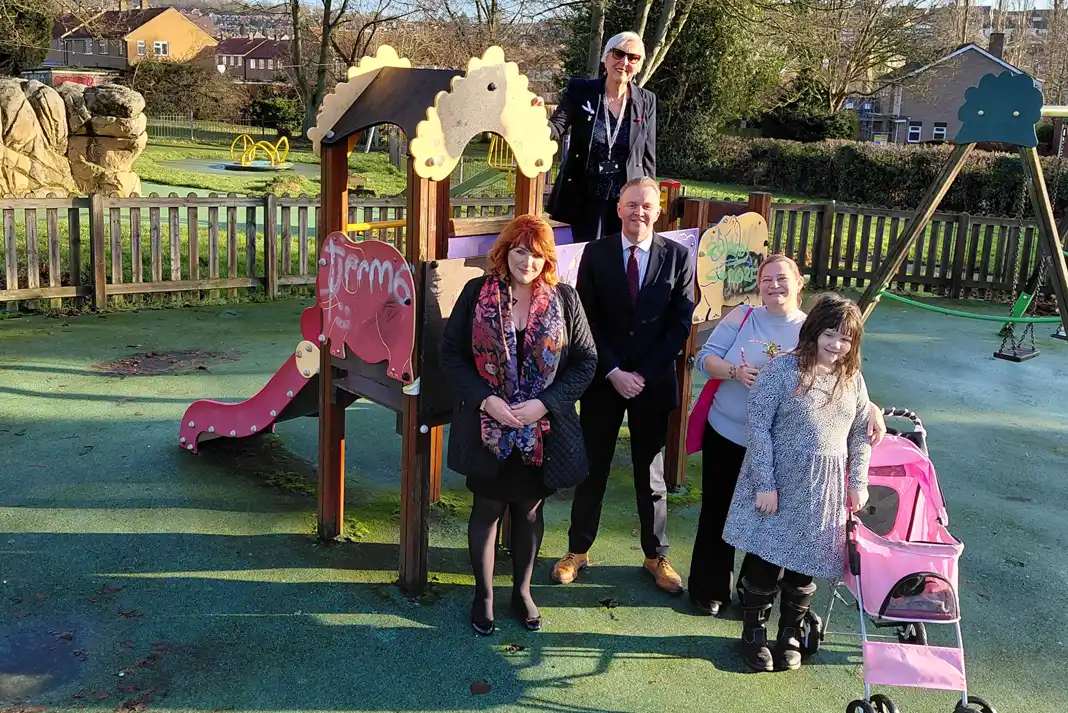
Gedling Borough Council Leader John Clarke MBE has slammed vandals for wrecking a defibrillator, gates to tennis courts and leaving needles near a play area at a Carlton park.

The Council received reports about damage to the defibrillator at Conway Road Recreation Ground on December 18 followed by reports of needles being found near the children’s play area and damage to the tennis court gate.

Councillor John Clarke MBE, Leader of Gedling Borough Council said: “The park is well used by local families and the behaviour of these vandals is unacceptable.  I am deeply disappointed that they have chosen to cause damage to a much-loved public space and to the tennis courts after so much work has gone into making improvements.  

“The Council will not tolerate vandalism of any kind.  We have reported the incident to police and will be collecting CCTV evidence to share with them to ensure that the culprits are brought to justice.”

If anyone has information to share with the police, please contact Nottinghamshire police on the non-emergency 101 number.

Trendy Glasses Styles for 2026: What’s In and What’s Out

0

If you like keeping your frames current but also want something that will age well, the coming year offers plenty to look forward to. Below is a closer look at the shapes, shades, and design principles that are expected to dominate the 2026 eyewear scene, along with a few that will take a quieter step back.

Which Frame Shapes and Colors Will Lead the Way in 2026

2026 is shaping up to be a year of sculpted silhouettes and expressive tones. Designers are moving away from overly safe, predictable shapes. Instead, they are leaning into character. Rounded rectangles are returning with softer corners, giving wearers something modern without losing the familiarity of classic lines. Sharp geometric frames are also gaining momentum, especially hexagons and slender trapezoid profiles that offer a playful edge while remaining wearable in everyday settings.

Color is becoming more personal too. The once-popular clear frame trend is fading as richer palettes take center stage. Expect warm neutrals like honey, caramel, sand, and smoky olive to dominate store displays. These shades give a sense of depth without overwhelming facial features. Jewel tones, especially emerald and deep sapphire, are also making a strong comeback for those who prefer a bit more drama.

Metal frames are shifting as well. Instead of the thin minimalist wires that have defined the past few years, chunkier metal fronts with brushed finishes will be more common. Gunmetal grey and warm bronze are particularly strong candidates for 2026’s most flattering metallic tones.

Why Are Lightweight and Sustainable Materials Becoming More Relevant

Consumers today care about how their eyewear feels, not just how it looks. That mindset will intensify in 2026. People want frames that sit comfortably on the face for long hours, reduce pressure on the bridge of the nose, and remain durable even with daily use. As a result, lightweight materials such as titanium, bio-acetate, recycled plastics, and plant-based composites are becoming staples rather than niche options.

These materials offer several advantages. Titanium is almost weightless, yet it bends without breaking. Bio-acetate, which is derived from natural fibers, provides the familiar style of traditional acetate but with a noticeably lighter feel. Recycled plastics help cut down on environmental waste, which appeals to younger buyers who prioritize sustainability in the products they choose.

Sustainable production methods are also evolving. Many eyewear makers now experiment with low-waste molding techniques or incorporate biodegradable elements. Instead of treating eco-friendly design as a marketing feature, brands are approaching it as the new baseline for responsible manufacturing. This shift means shoppers can expect stylish frames that feel good and align with growing environmental awareness.

How Are Oversized, Geometric, and Retro Styles Changing

Oversized frames are not leaving anytime soon, but they are evolving. The massive, all-encompassing shapes that filled social media feeds in recent years are becoming more refined. In 2026, the oversized trend will favor slimmer rims and more structured silhouettes. Think generous proportions without overwhelming thickness. This update makes large frames more flattering across different face shapes.

Geometric styles are becoming sharper and more intentional. Designers are adding distinctive angles that highlight cheekbones and brows, while keeping the overall look balanced. These shapes are expected to appeal to people who want individuality without going overboard.

Retro designs are also shifting into a new phase. Instead of strict vintage reproductions, 2026 will embrace modern twists on old favorites. Aviators will appear with slightly shorter lenses and sleeker bridges. Cat-eye frames will soften at the edges but retain the uplifting effect that makes them timeless. Thick square frames inspired by the 70s will appear in new translucent or matte finishes that feel contemporary and fresh.

This blend of old and new opens the door for frames that stay stylish for several seasons, even as trends move forward.

How Can You Choose Frames That Stay Stylish Over Multiple Seasons

Selecting eyewear that remains relevant beyond a single trend cycle is easier when you focus on harmony rather than hype. The first step is understanding your face shape. Frames with gentle curves tend to suit round faces, while structured shapes complement softer contours. Choosing a shape that compliments your natural features ensures the frame will still look good even if trends evolve.

Color also plays a role. Vibrant tones can be fun, but neutrals often have the longest lifespan. Muted greens, warm tortoiseshell blends, and brushed metals avoid looking outdated quickly. They pair well with a wide range of outfits and settings, which makes them ideal for everyday use.

Material choice matters too. Frames made from high quality acetate or titanium generally outlast trendier, fragile alternatives. They maintain their structure longer, resist warping, and survive daily wear without losing charm.

Finally, consider how the frames integrate with your lifestyle. Someone who spends a lot of time at a desk may value lighter frames, while an active person may prefer something flexible and impact resistant. This is where browsing a curated selection of glasses can help you determine which styles align with both your aesthetic and practical needs.

What Will Fall Out of Style in 2026

Just as certain looks rise, others naturally fade. Micro-frames, for example, are expected to decline significantly. Their narrow lenses have proven less practical for people who rely on their glasses for long hours or for digital work. Extremely thick plastic rims are also losing appeal, as wearers lean toward more balanced proportions and higher comfort.

High-contrast color blocking is another trend slowing down. Instead of bold stripes or heavy multi-tone pairings, people are gravitating toward smoother, more blended finishes that age better and work with a wider variety of outfits.

Minimalist wireframes are not disappearing entirely, but they are stepping back to make room for sturdier, more expressive shapes. Their delicate structure, while elegant, does not always hold up to the wear and tear of everyday life, especially for people who remove and store their glasses frequently.

Conclusion

By 2026, eyewear will embrace comfort, personality, and long term usability more than ever. The year promises a wave of sculpted shapes, warm colors, and lightweight materials that feel natural to wear while offering fresh visual appeal. Whether you prefer bold frames or something understated, the coming trends make it easier to find glasses that look contemporary yet stand the test of time. Fashion will continue moving forward, but well chosen frames will always stay in style.

Prolific thief who targeted Netherfield store faces lengthy wait for sentencing

A prolific thief who targeted a shop in Netherfield will start the new year behind bars.

Christos Iona targeted the Netherfield business along with three others in Beeston, Stapleford and Wollaton between November 10 and December 14.

The shoplifter helped himself to meat products, clothing, alcohol and other items before walking out of the stores without paying.

Iona also burgled Beeston-based student apartments on five separate occasions during his crime spree.

Each of the break-ins at Graduation House, High Road, happened between November 30 and December 6.

Iona helped himself to TVs from four of the flats during his spree, while also stealing a high-value arcade machine from the common room.

Footage of Iona removing items from a property

Officers managed to catch up with the thief within a few days of that final offence though.

Having looked through the available CCTV footage, police identified Iona as a suspect.

Despite Iona being of no fixed address, officers managed to track him down to a Beeston address, where he was detained on December 18. 

As well as arresting the 27-year-old, police also found and recovered three of the stolen TVs at another address linked to him.

Neighbourhood officers and detectives charged Iona with 13 offences.

The strength of the evidence they’d gathered meant the thief pleaded guilty to each of them when he appeared in court on Saturday (20).

Iona, of no fixed address, now faces a nervous wait to the new year, after being remanded into custody until January 10.

He’ll appear at Nottingham Crown Court to be sentenced for five counts of burglary, seven shop thefts and one count of handling stolen goods.

PC Samantha Gledhill said: “Our neighbourhood officers and burglary team detectives worked together to great effect to build a strong case against Iona.

“It was really pleasing then to see this tenacity pay off, with all that evidence prompting him to plead guilty to 13 separate offences in total.

“He was responsible for burgling the same student accommodation building no less than five separate times.

“Burglary is a horribly invasive crime that can leave people feeling uneasy about where they live – a fact that would’ve been doubly true here, with young students being targeted. 

“When you add his shoplifting spree too, it’s clear Iona has no regard for the law, so it’s good to know he’ll spend the rest of the Christmas period behind bars and be sentenced in the new year.”

Section of Colwick road to close for ten weeks

Part of a Colwick road will be completely closed to vehicles for ten weeks.

Road No. 1 will close from its junction with A612 Colwick Loop Road to its junction with
Road No. 7 from January 5.

The works are taking place to make footway crossing improvements to the Colwick, junction of Private Rd 1 and the A612.

The works intended to improve the way the public can get safely from the beginning of my patch at Toby Carvery, all the way up to Burton Joyce.

The improvements are being carried out by Via East Midlands on behalf of Nottinghamshire County Council

Funding for £100k of improvements secured for Arnold play area

A play area in Arnold will soon be improved thanks to fresh funding of £100,000 from FCC Communities Foundation.

The funding bid to revamp Church Lane Park was submitted in partnership with Gedling Borough Council and the Friends of Church Lane Park.

It included consultations with the local community, which highlighted the importance of incorporating inclusive play equipment, meeting the needs of local SEN children.

Works on the park are due to start in May 2026 with the improvements and new facilities expected to be completed by Summer 2026. The existing play area will be closed whilst works are carried out.

The play area refurbishment is the first phase of improvements planned for the park. The Friends of Church Lane Park and the Council are also consulting with young people in the community to identify their preferences for future facilities. Plans for these additional facilities will be developed and delivered as part of phase two.

FCC Communities Foundation is a not-for-profit organisation that supports community, conservation and heritage projects through the Landfill Communities Fund. 

Leanne Gilchrist, chair of the Friends of Church Lane Park, said: “The Friends of Church Lane Park are so excited that everyone working together has secured this funding.

“We can’t wait to see the park functioning again.”

Councillor Viv McCrossen, Portfolio Holder for Climate Change and Natural Habitat said: This play area is already a much-loved space, but we want it to be the very best it can be. These improvements will make a real lasting difference for the local community and everyone who enjoys visiting the park.”

Councillor Michael Payne, MP for Gedling, said: “I’m proud to have helped kick-start the push for this much-needed funding and to have supported the bid from the outset.

“This investment will provide a wonderful play park for children and families in and around Redhill and Arnold.

‘BE PREPARED’: Flood alerts in place across Gedling borough following heavy rain

A flood alert is in place for Gedling borough communities near the River Trent – with ‘most at risk’.

Flooding is possible from this morning (December 19), said the Environment Agency.

They said ‘flooding was expected to continue’.

The Agency said Stoke Bardolph was the community most likely to be affected by flooding going forward.

flooding Stoke Bardolph
PICTURED: Flooding in Stoke Bardolph back in early 2020

No further significant rainfall is forecast.

An EA spokesman said: “We are closely monitoring the situation. Our incident response staff are patrolling watercourses in the area and liaising with emergency services.

“Please avoid using low-lying footpaths near local watercourses and plan driving routes to avoid low-lying roads near rivers, which may be flooded.

An update is expected from the Environment Agency at 12pm today (9) or unless the situation changes.

Levels will remain high throughout the weekend. 

We are closely monitoring the situation . 

Avoid using low lying footpaths and any bridges near local watercourses . 

Effortless Packing: How to Pack Light for a Hiking Weekend Getaway

Packing for a weekend hiking trip can feel like a balancing act between comfort and practicality. Every extra item adds weight that can slow you down on the trail, yet leaving behind something essential can compromise your experience. 

The key to successful packing lies in finding that middle ground: bringing what truly matters while keeping your load light enough to enjoy the journey.

This guide provides a practical approach to packing efficiently for a hiking weekend. From choosing the right backpack to organizing essential gear, it outlines the habits and strategies that help you move freely, stay safe, and remain comfortable throughout your adventure.

What is the one mindset that makes packing light simple?

The foundation of light packing begins with a shift in mindset. Instead of asking, “What might I need?” ask, “What can I not do without?” This approach helps you separate genuine necessities from unnecessary extras. Every item should serve a clear purpose — ideally, more than one. A good rule is that if something doesn’t add comfort, safety, or function, it doesn’t belong in your pack.

To apply this mindset effectively, begin with a checklist. Divide your items into three groups: must-have, nice-to-have, and leave-behind. Be honest during this process. Reducing redundancy, such as avoiding multiple shirts or duplicate tools, makes a dramatic difference in pack weight. Not only does this lighten the load, but it also simplifies your trail experience: fewer items to manage, fewer decisions to make.

Packing light isn’t about cutting corners; it’s about efficiency. By carrying less, you move more easily, conserve energy, and focus on the actual purpose of your trip: enjoying nature rather than managing gear.

Which backpack size and features are ideal for a weekend hike?

The best hiking backpack for a short trip combines comfort, structure, and smart design. For most weekend getaways, a 20–35-liter capacity is ideal. It provides enough room for essentials while preventing the temptation to overpack.

When selecting a backpack, prioritize fit first. The hip belt should sit snugly around your hips, bearing roughly 60–70% of the pack’s weight. Shoulder straps should follow your natural contours without digging in. Adjustable torso lengths and padded straps can make a noticeable difference over long distances.

Functionality also matters. Look for internal compartments to help distribute weight evenly and exterior loops or straps for carrying trekking poles or sleeping pads. Compression straps help stabilize the load, and hydration compatibility lets you carry a reservoir for easy access to water. Lightweight materials are beneficial, but durability shouldn’t be sacrificed; a torn pack can derail an otherwise smooth trip.

Testing your pack before the trip is equally important. Load it with typical items, walk for a few minutes, and adjust until the balance feels right. A properly fitted pack ensures stability on uneven trails and keeps strain off your shoulders and back.

What are the truly essential items you cannot cut corners on?

Even when packing light, certain items are non-negotiable. These form the backbone of a safe and comfortable hike.

  1. Navigation and safety: Always carry a map, compass, or GPS device, and a headlamp with spare batteries. A small whistle and personal first-aid kit are lightweight additions that can make a significant difference in emergencies.
  2. Shelter and sleep: A compact tent, bivy, or tarp setup is crucial for overnight trips. Pair it with a lightweight sleeping bag rated for the expected temperatures and a thin but durable sleeping pad. These ensure insulation and rest without adding unnecessary bulk.
  3. Clothing: Adopt a layering system instead of multiple heavy garments. Bring a breathable base layer, a warm mid-layer (like fleece), and a waterproof outer shell. Add a second pair of socks for rotation and a lightweight hat or buff for sun and temperature protection.
  4. Food and water: Opt for dehydrated or high-calorie trail meals that pack small and cook quickly. Carry a lightweight stove only if essential; otherwise, cold-soak meals or ready-to-eat options can work. Always include a water filtration system — tablets, filters, or UV pens — since carrying excessive water increases pack weight.
  5. Footwear: Proper hiking shoes or boots provide support and grip. A light camp shoe can be a small luxury for evenings, but avoid bringing more than one extra pair.

The goal is to bring compact, reliable gear that supports your safety and comfort without weighing you down.

How can you pack smartly to save space and weight?

The way you organize your backpack can be as important as what you put in it. Start with load distribution: heavier items, such as your food bag or tent, should sit close to your spine and near the middle of the pack to maintain balance. Lighter items, like clothing or a sleeping bag, can fill the bottom or outer areas.

Packing cubes or dry bags are helpful for organizing categories — food, clothing, and sleep gear — while keeping contents dry. Rolling clothes instead of folding them saves space and minimizes wrinkles. Compression sacks work well for sleeping bags or bulky clothing layers.

Multiuse items further reduce the load. A bandana can serve as a towel, head covering, or filter pre-screen; a titanium mug doubles as a bowl; trekking poles can support a tarp shelter. Substituting heavy equipment with ultralight versions like an inflatable pillow instead of foam or collapsible cookware can easily trim weight without losing comfort.

Proper organization also improves efficiency on the trail. You’ll spend less time searching for items and more time enjoying the hike.

Which items are commonly packed but can be left behind?

Many hikers overload their packs with unnecessary luxuries. To stay efficient, leave behind anything that doesn’t directly support your hike’s duration or conditions.

Extra shoes, full grooming kits, and multiple chargers are among the most common offenders. You rarely need more than two complete sets of clothing; one for hiking, one for camp. Heavy photography gear or full-size tripods can stay home unless documenting the journey is the main goal.

When it comes to accessories, a single pair of glasses with proper UV protection and durable frames can replace multiple eyewear options. Compact, versatile, and travel-ready, they protect your eyes without adding unnecessary weight.

Before finalizing your pack, reassess each item. If you didn’t use it during your last hike, it likely won’t be essential this time either.

How to maintain comfort without hauling weight?

Light packing should never come at the expense of comfort. Instead, aim to maximize comfort per gram. Start with a quality sleep system that balances warmth and size, a down-filled sleeping bag and insulated air pad can offer both without bulk.

Foot care also plays a major role. Quick-drying socks prevent blisters, and lightweight gaiters keep dirt out of your boots. Take short breaks to remove your shoes and air your feet.

For hydration, plan your water strategy around known refill points rather than carrying all your water at once. A one-liter capacity with a filtration system is often sufficient for trails with streams or stations.

Finally, remember that packing light enhances your endurance and comfort simultaneously. Less strain on your body means you can hike farther and enjoy the scenery more.

Quick checklist to pack the night before

  • Backpack (20–35L)
  • Sleeping bag and compact shelter
  • Lightweight stove and meal kit
  • Food and snacks for two days
  • Water filter or purification tablets
  • Map, compass, or GPS
  • First-aid kit and repair tape
  • Multiuse tools (knife, bandana, paracord)
  • Layered clothing system
  • Hiking shoes or boots
  • Sun protection (hat, sunscreen, glasses)
  • Power bank and permit copies

This checklist ensures you bring only what’s necessary while keeping your load manageable.

What are simple habits to keep gear light over time?

Packing light improves with experience. After each trip, review what you used and what stayed untouched. Gradually eliminate nonessential items from your routine.

Investing in ultralight or multiuse gear can reduce future weight. Over time, these replacements such as compact cooking systems or lightweight tents make a noticeable difference. Learning to wash clothes during trips or sharing communal gear with a hiking partner also minimizes the load.

Staying disciplined with these habits ensures your backpack remains streamlined for every trip ahead.

Packing light isn’t a one-time skill but a habit developed through deliberate choices and honest evaluation. By prioritizing essentials, organizing efficiently, and embracing versatility, you can make every hiking weekend easier and more enjoyable.

A lighter pack translates to better balance, less fatigue, and more freedom to focus on the experience itself. Each item you remove is a step closer to effortless movement, where the trail becomes the reward not the struggle.

The Role of VW Transporter Alloy Wheels in Better Driving Performance 

When it comes to improving the appearance and performance of a van, wheels play a more important role than many drivers realize. For owners of Volkswagen vans, VW Transporter alloy wheels are a popular upgrade because they improve handling, safety, and overall driving comfort. Beyond how they look, the right set of alloy wheels can make everyday driving smoother, more responsive, and more efficient on UK roads. 


Improved Handling and Steering 

One of the key advantages of alloy wheels is their lighter weight compared to traditional steel wheels. This reduction in unsprung weight allows the suspension system to work more effectively, improving grip and stability, particularly when cornering or braking. Elite Direct’s VW Transporter alloy wheels offer the perfect combination of durability and modern style. By choosing high-quality alloys, drivers benefit from improved steering response and a more controlled driving experience, whether navigating city streets or long motorway journeys. 
 
Improved Braking and Heat Dissipation  

Heat dissipation is another major advantage. Alloy wheels also help with braking to have much better heat distribution than their steel counterparts, which reduces the chances of brake fading in heavy and long use. This is especially true for vans that normally transport heavy loads or are meant for business. With VW Transporter alloy wheels, braking performance is more constant than ever, making it possible to drive more safely through diverse conditions, from stop-start city traffic to steep country lanes. 
 
Increased fuel efficiency 

Alloy wheels can also improve fuel economy over time. Being lighter, they require less effort from the engine to move the vehicle, which can lead to small fuel savings. That difference may be minor on one trip, but it adds up for drivers who cover a lot of miles each year. Choosing VW Transporter alloy wheels can be a practical as well as a cosmetic decision, especially for tradespeople and fleet operators who aim to cut running costs. 
 
Durability and Long-Term Benefits 

Wheels should be durable enough to withstand everyday use, rust and all types of weather conditions commonly experienced throughout the UK. In addition to making them much easier to maintain and clean, modern Volkswagen Transporter alloy wheels increase the longevity of the vehicle maintaining a professional appearance. Moreover, the use of high-quality Volkswagen Transporter alloy wheels decreases the chance of tyre damage (chafing), which allows improved weight distribution on the tire, leading to increased tire life. 
 
Essentially, buying new VW Transporter alloy wheels isn’t just about improving your van’s appearance. Alloy wheels are the main reason for better handling, braking, fuel economy, and can also be relied on for a long time. For those who seek a perfect balance of safety, comfort, and style, alloy wheels are a wise and profitable purchase. ‍ ‌‍

Putting a ring on it? Save up to fifty percent at Arnold registration offices

Getting married could cost couples in the borough up to fifty percent less this winter thanks to Nottinghamshire Registration Service’s ceremony promotion offer.

From November 2025 until March 2026, ceremonies on selected Saturdays at some Nottinghamshire registration offices will be discounted from either £396 or £365 to just £190.

The offer applies to enhanced ceremonies, which allow couples to personalise their special day by adding details such as their own music or readings.

The discount registration date for Arnot Hill Registration Office is Saturday, January 24, 2026.

All bookings on the given date is subject to availability and when choosing a date, couples are advised to take into account the 28-day waiting period between giving notice and getting married or forming a civil partnership.

Bookings can be made by calling the county council’s Customer Service Centre on 0300 500 8080.

Councillor Dawn Justice, Cabinet Member for Communities and Public Health at Nottinghamshire County Council, said: “This is an excellent offer for couples who are looking to celebrate their love this winter.

“If couples are looking to book as part of this promotion, it’s important to remember that you must give notice of your intention to marry or form a civil partnership at least 28-days before any ceremony.”

Find out more on the Nottinghamshire Weddings website: https://weddings.nottinghamshire.gov.uk/ceremonies/ceremony-promotions/

Colwick residents step up to help protect community from flooding when severe weather hits

An award-winning volunteer scheme which sees residents help protect their community from flooding is celebrating the milestone launch of its 50th scheme, in Colwick.

Nottinghamshire County Council’s Community Flood Signage Scheme was set up to help residents support their community should flooding or severe weather hit.

In Colwick, the launch of the new volunteer scheme comes after the quick actions of residents during Storm Henk in January 2024 inspired the community to think about the risk of future flooding.

Intense, heavy rain during the storm fell onto already saturated ground and when the River Trent reached near record levels, watercourses, including one running from Vale Road into the Trent via a nearby business park, were not able to release water.

Flood-sign
The launch of the new volunteer scheme comes after the quick actions of residents during Storm Henk in January 2024 inspired the community to think about the risk of future flooding.

16 homes on Vale Road and Chaworth Road and five businesses on Churchill Business Park were flooded as a result of the watercourse overflowing, and many of the residents who took action to stop vehicles driving through the flood water are now proud to be community flood signage volunteers.

One proud volunteer is Abby Booker who explained that flooding was worsened by bow waves created by vehicles driving down Vale Road and pushing flood water into homes.

Abby said: “When I moved to Colwick a few years ago, I knew that we lived in a flood plain, but I assumed that because of the flood embankment, we would be protected from flooding.

“In Storm Henk we saw that the watercourse backed up and this meant that the road and some of the houses were flooded. During this storm, a lot of residents really wanted to help and so we got together to distribute sandbags and create makeshift road closures.”

She continued: “Effectively, when cars drove through the flood water it caused bow waves which pushed water further into houses and so after Storm Henk the county council were great at helping us to understand what we could do about it as local residents, and one of the things was the Community Flood Signage Scheme.

“We wanted to set up a scheme so that in the event of another storm we are able to close the road with the proper signage and cones, and hopefully this will stop cars from driving through the flooded street.”

So, how does it all work? The county council’s Flood Risk Management team supports volunteers to agree trigger points which, once met, will result in trained volunteers from the community setting out a road closure. Examples of these trigger points are flood water levels reaching a set marker or a road becoming submerged to the top of the kerb level.

Volunteers are then given water safety and risk control training in partnership with Via East Midlands and Nottinghamshire Fire and Rescue Service.

The county council also provides personal protective equipment, signage and equipment and access to online refresher training and events organised by the county council to bring volunteers together to share knowledge and experiences.

There are now over 650 volunteers across the County under the scheme.

Councillor Bert Bingham, Cabinet Member for Transport and Environment at Nottinghamshire County Council, said: “This is a brilliant scheme which allows fully trained volunteers to react to flooding in their community at crucial moments.

“We are proud that there’s now 50 of these schemes across Nottinghamshire and I was delighted to meet new volunteers in Colwick and hear about what made them sign up to the scheme.

“These volunteers will now have access to road closure signs and personal protective equipment to use should flooding hit their community again.

“By supporting and training volunteers in the community we are building more resilient communities and I would like to offer my personal thanks to all of our dedicated volunteers across Nottinghamshire for all their hard work and efforts in protecting their communities from flooding.

“Over the last few years we have seen only too well that flooding can devastate communities and I am pleased to hear that there are more of these schemes in development across the county.”

Nik who is also a new volunteer, said: “I wanted to volunteer because when my local area flooded for the first time in decades, I felt quite helpless. I was there trying to stop cars from driving through the flood water and many ignored us.

“When we found out that we could create a scheme and have the power to properly close the road I wanted to sign up to try and make things better for those affected as it’s nice to be able to help those who need it.”

If you would like to become a Flood Signage Warden, please contact the Nottinghamshire County Council flood risk management team by emailing: flood.team@nottscc.gov.uk