Train passengers in Gedling borough reminded to check for journey changes when new timetable comes into effect on Sunday

Train passengers in Gedling borough are being reminded to check if their journey has been altered by East Midlands Railway’s timetable changes which take affect from Sunday (14).

The new timetable introduces many improvements to services across the region.

Burton Joyce and Carlton are set to benefit most with both stations getting an increased number of hourly trains.

Carlton will receive an hourly Sunday service, increasing from 12 to 28 services. Burton Joyce will get an hourly service throughout the day on weekdays and Saturdays.

Carlton and Burton Joyce will now have direct services to and from Lincoln throughout the day without having to change at Newark Castle as you do now. 

The train operator said the “significant” adjustments will take effect on Sunday, December 14, and are designed to “improve performance, connectivity and capacity across the network”.

It also provides a strong financial case for the railway, supporting Transport UK and EMR’s sustainability while enhancing the customer experience.

Will Rogers, Managing Director for East Midlands Railway, said: “This timetable brings many changes to the way we operate our regional services and to make sure they don’t miss their service, customers are advised to visit our website or journey planners and check to see how they are affected.

“The timetable is great news for our customers and the economy of the East Midlands. It makes best use of our available fleet and will be supported by our £28 million regional refurbishment programme, delivering a more comfortable and consistent customer experience.

“It will realise opportunities to operate more train services across the Regional network, introduce new journey opportunities, and build-in performance improvements.”

The timetable will bring a host of benefits including:

  • More than 2000 extra seats on EMR services to and from Lincoln on a weekday and more than 3000 extra on a Saturday
  • New direct journey opportunities – including Matlock to Cleethorpes and Crewe to Lincoln
  • Improved local calling patterns – with more trains at Hykeham, Burton Joyce, Radcliffe, Attenborough and Spondon.

Calverton Young People’s Centre reopens following refurbishment and roof repair

A youth centre has reopened following an extensive refurbishment, including a brand-new roof.

Calverton Young People’s Centre had been temporarily closed down so work could take place to ensure it met essential health and safety standards.

Led by Nottinghamshire County Council and working with Arc Partnership, the council’s construction partner, the centre received a new roof, energy efficient lighting, a modern heat pump heating system, renovated toilets, and refreshing new décor.

Pom Bhogal, head of Young People’s Service for Nottinghamshire County Council, said:
“Young people’s centres are a vital part of our communities in Nottinghamshire – they offer safe and supportive environments for young people in our county.

“It’s brilliant to see Calverton’s centre reopen its doors. The refurbishments have made this building an excellent place for the young people in Calverton and the surrounding area and gives them somewhere safe to go and have fun and relax.

“These youth clubs are not just a place for young people to wind down, they’re a space where they are valued – our committed youth workers also support and encourage them, helping a lot of the young people that come here to engage in activities, learn and really shine.”

Dan Maher, managing director at Arc Partnership said: “It’s been a privilege to support the redevelopment of Calverton Young People’s Centre. The improved space now offers a safer, more sustainable and more welcoming environment for local young people to enjoy.”

Members of the county’s youth service, young people and councillors, including Councillor Rory Green, the council’s Cabinet Member for Children and Families, celebrated the relaunch of the centre in an evening event on Wednesday (3). The busy event featured climbing walls, air hockey and table tennis tournaments, wall art and music, and photobooths to remember the evening.

The doors were officially reopened with a ribbon cutting, led by the council’s Madam Chairman Jan Goold with speeches by young people from the area, and attendees got to go on a tour to see the improvements.

Young people’s centres provide safe spaces for young people, with trusted youth workers and fun and engaging activities. During the closure period, the council’s youth work team continued to engage with young people in creative and meaningful ways through detached and outreach work, ensuring that the services they needed remained accessible.

Nottinghamshire County Council also operates a mobile youth service provision, as well as a number of Link Clubs specifically designed for young people with disabilities.

Police issue warning to online shoppers in Gedling borough over doorstep delivery thefts

Gedling borough’s online Christmas shoppers are being urged to take steps to reduce their chances of falling victim to doorstep parcel thieves. 

With the Christmas countdown now in full swing, many people are ordering items online and having them delivered to their homes — and police say this makes it a prime time for opportunistic theft. 

If delivered to your home and left unattended, parcels can be easily stolen by doorstep thieves. 

Parcel

In previous years, a spate of thefts involving parcels containing hundreds of pounds worth of goods, left outside people’s homes were reported.

Police are now urging online shoppers in the borough to take appropriate action when ordering items online, ensuring they are protected to help prevent parcel theft. 

Superintendent Chris Pearson, of Nottinghamshire Police, said: “Things you could do to reduce the risk of doorstep theft include tracking your parcel to ensure you or someone else is at home for the delivery. 

“You should also ask for your deliveries to be diverted to trusted neighbours or friends if you’re not going to be home. If this isn’t possible, attempt to rearrange to a time when you know you will be in or choose to collect it instead. 

“This type of crime is preventable, and we’re asking everyone to do all that they can to stop this crime happening. 

Here are some things you could do to reduce the risk of parcel theft…

– Track your parcel to ensure you or someone else is at home for the delivery 

– Install a video doorbell; this can be connected to your mobile so you are notified immediately of any delivery, and is easier to install than a full CCTV system 

– Install a security light and/or CCTV 

– Arrange for your parcel to be delivered to a trusted neighbour, or other family members who will be at home 

– Use an off-site locker service for frequent deliveries, or for expensive items; these parcel boxes are more likely to be in busy, safer locations – such as supermarkets – rather than secluded areas which could be targeted by thieves 

If you have ordered a delivery which has not arrived, first contact the delivery company and sender. 

If you think a parcel has been stolen or notice anyone acting suspicious, you can make a report online or by calling 101. 

Alternatively, you can call Crimestoppers anonymously on 0800 555 111.

Big plans for 18th Century Papplewick Pumping Station in new year after restoration

The director of the most complete Victorian pumping station in the country has big hopes for the site in the new year – after it was removed from Historic England’s Heritage at Risk Register following a £500,000 restoration project.

Papplewick Pumping Station, in Rigg Lane, Ravenshead, has all of its original features, machinery, and grounds – including the ornate pump house which features two 13-tonne beam engines that still work today.

Constructed between 1882 and 1886 in a Gothic Revival style, the pumping station provided fresh water to people in Nottingham for almost 100 years.

It was in continuous operation until 1969, before later opening as a museum in 1975 under a trust.

Ashley Smart, who has been the museum director for 19 years, took the Local Democracy Reporting Service (LDRS) for a look around the site following its removal from the risk register.

He said he hopes a planning application for a new visitor centre will be approved in the new year, before surveyors can stop by to draw up costs for this next big project.

“Three pieces have been restored – the boundary wall, the engine house porch, and the chimney as well,” Mr Smart said.

The 120-feet tall chimney had been deteriorating – with chunks of brick falling from above – before its restoration.

“When the team put scaffolding up on the chimney, they found it had a lean to it, more than we had thought,” Mr Smart continued.

“It’s an amazing view up there. It has been re-pointed, and we’ve replaced bricks that were falling. That was the risk.”

He recalled the chimney had been hastily capped off with a concrete slab when the pumping station first closed in 1969.

Later in 1975, when the trust that took over fired up the boilers, steam couldn’t escape and caused quite the stir for people observing from the engine room, Mr Smart said.

The chimney cap was later removed, allowing the site to function as it does today.

As well as the chimney, a green decorative porch on the engine house has been rebuilt and repainted, while the site’s boundary wall has been refurbished.

Money for the project came from Arts Council England‘s Museum Estate and Development (MEND) fund, as well as Historic England and the site’s landlord, Severn Trent Water.

Dozens of volunteers keep the pumping station in full working order.

Maintenance work includes topping up the beam engines with oil, which have 96 individual top-up points across each colossal structure.

Ornate décor in the engine house, depicting the life-giving properties of water, has also been seen to by the volunteers and repainted.

Under new plans, which have been resubmitted to Gedling Borough Council this year, a new multifunctional space to facilitate an exhibition and dining area could be created.

An open-air café dining area would be complimented by an adjoining exhibition space, separated by a glass wall.

The visitor centre would be built in the style of a nearby coal shed, and act as shelter for a number of other relics from Nottinghamshire’s past.

“What we hope for the future is that we can have a new structure that can cover the engines that are outside and exposed to the weather, and also an area where we can do temporary exhibitions and other displays at the front of that building,” Mr Smart added.

“Hopefully next year we will get that all approved and we can start getting a quantity surveyor in to give us an idea of the actual costs, and then we can go out and start fundraising.

“For us we are maintaining the past. Other people enjoy coming here to learn about the past, but also enjoy the beautiful surroundings, the grounds, the pond, the buildings themselves. It is a very peaceful place and people do comment on that.”

Mr Smart says the maintaining the pumping station is further helped along thanks to his idea to host weddings on the site.

Since he first enacted the idea in 2008, the station now hosts around 15 weddings every year.

Visitor facilities were first built in 1991, and a major restoration of the beam engines and pump house was completed in 2005, following a £1.6m grant from the Heritage Lottery Fund.

As well as the beam engines, the site houses several other engines, which are also demonstrated on steaming days.

One is a colliery winding engine from the nearby Linby Colliery, which was built by Robey & Co of Lincoln in 1922.

It is the only operational steam-powered winder in Britain.

Outside the main engine building is a triple expansion engine, made by the Kilmarnock firm of Glenfield & Co. in 1897.

It was used at Stanton Ironworks near Ilkeston, where it supplied the site with hydraulic power.

In 2002, two engines were obtained by the museum from Player’s Tobacco Factory.

A single-cylinder oil engine, which formerly generated power for the arc lights on the projector at Bolsover Cinema, is also kept at the museum.

Historic England said: “A major £500,000 restoration project has been completed at Papplewick Pumping Station, thanks to grants from ourselves and Arts Council England‘s Museum Estate and Development Fund, allowing it to be removed from our Heritage at Risk Register.”

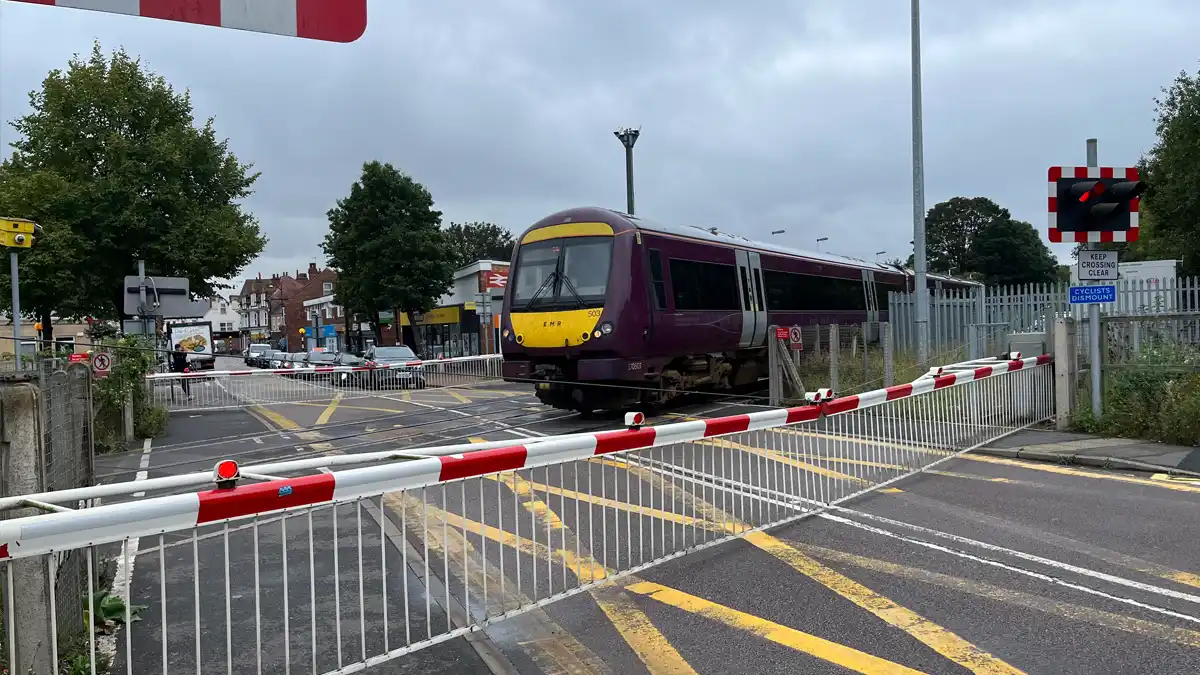
Burton Joyce rail crossing where Josh Travis was hit by train to be closed for further six months

The closure of the rail crossing where 14-year-old Josh Travis died after being hit by a train has been extended for six months.

Chestnut Grove crossing in Burton Joyce was closed temporarily for 21 days after the death of the former Nottingham Forest academy goalkeeper on Wednesday, November 26.

But with the temporary closure due to expire on December 18, Network Rail has now confirmed that the right of way will remain shut until May 26 next year, after an order was approved by Nottinghamshire County Council.

Police were called to the railway line at around 7pm last Wednesday after a report of a casualty on the tracks.,

PICTURED: Josh Travis was tragically killed on the crossing at Burton Joyce

Paramedics also attended, but the 14-year-old was pronounced dead at the scene.

It was later confirmed that Network Rail had asked Nottinghamshire County Council, which owns the land, to close the crossing, months before Josh’s death.

The crossing, which Network Rail cannot close without permission, had been the subject of safety concerns for a number of years and, in 2021, safety upgrades were made, with swinging gates installed, the crossing surface upgraded and CCTV cameras put in place.

Videos from the cameras had since evidenced multiple incidents of near misses, leading to further calls for changes to be made or for the crossing to be closed.

But the process can take up to six months, due to the need to consider safety, rights of way and community impact.

The council had begun an informal public consultation less than a week before the incident, which was, and still is, due to conclude on December 22.

In an update on Thursday, December 4, Trent Valley Conservative Gedling borough councillors Sam Smith and Mike Adams announced the closure had been extended.

They added: “For the avoidance of doubt, we will not support it reopening without a bridge being built.”

A Network Rail spokesperson said: “A temporary traffic regulation order (TTRO) for the public footpath over Chestnut Grove level crossing has been approved by the local authority. 

“This will come into effect on December 18, immediately following the emergency closure period, and lasts until May 26, 2026. Our application for the crossing to be permanently closed will continue to follow the local authority’s process in the meantime.”

The incident is currently still being investigated by the Rail Accident Investigation Branch (RAIB).

A spokesperson for RAIB said: “The RAIB sent a team of inspectors to Burton Joyce in Nottinghamshire to the site of accident which occurred on a footpath level crossing.

“Our inspectors continue to gather evidence as part of the process of conducting a preliminary examination, and a decision on any further action will be taken once evidence has been reviewed.”

Nottinghamshire County Council was also contacted for comment.

5 Best Wall Mounted Electric Radiators for Efficient Heating

0

Finding a smart way to heat a home can save space, lower energy use, and make each room more comfortable. Wall mounted electric radiators give a modern option that fits flats, extensions, or rooms that need steady warmth. They deliver efficient heat without the need for pipes or complex installation, giving homeowners an easy way to control comfort and energy costs.

This guide explores five popular electric radiators that combine smart design with effective performance. Each model offers features suited to different spaces and heating needs, helping buyers understand what makes them stand out. The aim is to make it simple to choose a radiator that looks good, fits well, and keeps every corner warm through the colder months.

  1. Slimline Curve WiFi Electric Radiator

The Slimline Curve WiFi Electric Radiator offers modern heating control in a compact shape. Its slim 51 mm profile makes it suitable for homes that want efficient heat without bulky units. As part of the Best Electric Radiators range, it provides steady warmth with smart features that adjust to daily routines.

Users can manage temperature levels through a smartphone or built-in digital panel. This feature gives flexibility and helps reduce wasted energy. The heater includes preset modes for quick use and can reach outputs up to 2 kW, enough for most small to medium-sized rooms.

Both wall-mounted and floor-standing options are available, so it fits different spaces easily. Its clean design and white or anthracite finish blend well with modern interiors. Made for quick delivery and easy setup, the Slimline Curve suits flats, houses, and home offices seeking efficient and controlled heating.

  1. De’Longhi HCM2020 Wall Mounted Electric Radiator

The De’Longhi HCM2020 provides quick, even heat in a compact form. Its metal body feels solid, and the slim profile fits neatly against most walls. This makes it a practical choice for small rooms or areas with limited floor space.

It uses a fan-assisted system that spreads warm air evenly across the room. The adjustable thermostat allows users to set the desired temperature, which helps keep energy use steady. Therefore, it can maintain comfort without sudden temperature changes.

The unit includes basic safety features such as an overheat shut-off and thermal cut-out. These functions add peace of mind for everyday use. In addition, the simple controls make the heater straightforward to operate.

Although this model may not include smart connectivity, it performs well for standard home heating. It suits anyone seeking a well-made, easy-to-install radiator that delivers steady warmth without extra complexity.

  1. Dimplex Quantum 12 Electric Panel Radiator

The Dimplex Quantum 12 Electric Panel Radiator offers an efficient heating solution designed for consistent warmth. It uses smart control features that adjust to daily routines, which helps manage energy use more effectively. This approach allows better comfort while keeping electricity costs lower.

Its clean, compact design suits modern interiors and saves wall space. The panel distributes heat evenly across the room instead of producing short bursts of hot air. As a result, the temperature stays stable and comfortable over long periods.

The unit operates quietly, which makes it practical for living spaces or bedrooms. It also includes programmable settings for customised schedules, giving users better control over their home’s temperature. In addition, the radiator’s high heat retention reduces wasted power and helps maintain warmth for extended periods.

Built with long-term efficiency in mind, the Quantum 12 combines smart performance, safety, and a neat appearance, making it a strong choice for households seeking dependable electric heating.

  1. MYLEK Panel Heater Radiator Wifi Smart 1000W

The MYLEK Panel Heater Radiator Wifi Smart 1000W offers effective electric heating in a compact and slim design. It can fit neatly on a wall, making it suitable for homes and offices with limited space. The 1000W output provides steady warmth for small to medium-sized rooms.

Users can adjust temperature settings through the built-in thermostat or control the unit remotely with a Wi-Fi app. This smart control allows flexible scheduling and temperature management, helping reduce unnecessary energy use. The heater also includes a clear LED display with simple touch controls.

Safety features such as an IP24 splash-proof rating make it suitable for use in bathrooms. The unit meets ERP Lot 20 energy standards, showing that it has passed current efficiency requirements. A durable aluminium heating element provides fast heat transfer and good heat retention. Its modern appearance and practical functions make it a straightforward choice for efficient, controlled heating throughout the year.

  1. Toshiba Wall Mounted Electric Radiator with Thermostat

The Toshiba wall mounted electric radiator offers steady heat output and simple temperature control through its built‑in thermostat. It fits neatly on a wall, which saves valuable floor space and gives rooms a clean, modern look. Its design suits both small flats and larger homes that need targeted heat.

Users can set and maintain their preferred temperature, which helps reduce energy use. The digital controls make it easy to adjust the heat level, and safety features such as overheat protection give added confidence during daily use. The unit connects to a standard mains outlet, so installation requires minimal effort.

In addition, the radiator operates quietly, which makes it a practical choice for bedrooms or home offices. Its smooth surface and compact shape allow simple cleaning and maintenance. Overall, it provides an efficient and space‑saving heating option that balances comfort with a smart, straightforward design.

Conclusion

Wall mounted electric radiators give homes simple and direct warmth. They fit small or large rooms and attach to the wall without complex work. This design helps save floor space and suits areas that need steady heat.

Each model reviewed shows how modern electric heating supports both comfort and energy awareness. Features such as adjustable controls and digital thermostats let users manage heat more precisely. As a result, energy waste stays low and bills can decrease.

These radiators also blend well with home décor. Their slim shapes and neutral colours make them suitable for most interiors. They provide practical heat with a clean and quiet look.

For those seeking efficient and easy-to-use heating, the five models reviewed show balanced performance, value, and design quality. They meet everyday needs and help maintain a comfortable indoor climate through the year.

Ten-year plan unveiled that will deliver ‘ambitious’ £20m improvements in Carlton

A new £20m plan to revitalise Carlton has been unveiled and is expected to be delivered over the next 10 years.

Gedling Borough Council and the Greater Carlton Neighbourhood Board have put together the landmark ‘Regeneration Plan for Greater Carlton’ and are calling it the most ambitious, community-led transformation programme the area has seen in a generation.

The plan, developed with residents, local businesses and community groups sets out a clear roadmap to improve opportunity, strengthen community pride and deliver long-term change for more than 53,000 residents in the area.

Hundreds of residents were invited to take part in surveys, workshops and school conversations about the regeneration plan

From the feedback, residents consistently emphasised the same priorities: safer neighbourhoods, more opportunities for young people, improved health and wellbeing, vibrant high streets, and investment in green spaces and community assets. Projects will be set up to make improvements in these areas.

Leader of Gedling Borough Council, John Clarke said: “This is a once-in-a-generation opportunity to shape a brighter future for Greater Carlton.

“Our communities have been clear about what matters most to them, and this plan reflects their voice at every stage.

“Over the next decade, this investment will help create safer streets, stronger neighbourhoods, and more opportunities for our residents to thrive.”

At the heart of the plan are five missions that reflect those priorities, and which will inform investments made by the Board over the next decade. These focus on; raising skill levels and creating opportunities for learning, improving youth provision and aspirations, tackling health inequalities through better green spaces and community facilities, strengthening the local economy and high streets, and improving safety and the feeling of safety across neighbourhoods.

Each mission translates into a series of targeted interventions designed to address the specific needs of local communities, particularly in areas where inequality is most concentrated.

Chair of Greater Carlton Neighbourhood Board, David S Stewart OBE DL said: “This ten-year plan is a wonderful opportunity for the residents of Greater Carlton to work together to enhance and regenerate the community. We want everyone to have a say in shaping the future so that there is a real sense of pride in place.”

Delivery of the plan will be led by the independent Greater Carlton Neighbourhood Board and supported by Gedling Borough Council as the accountable body.

A wide range of stakeholders – including the Nottinghamshire County Council, East Midland Combined County Authority (EMCCA), health services, police partners, local employers, community groups and the area’s MP, Michael Payne will play a critical role in driving long-term change.

Additional match funding and partnership opportunities will be explored with external organisations to maximise the impact of the £20 million core investment.

The programme aims to create a stronger, fairer and more confident Greater Carlton area with a clear identity and a shared sense of ambition for the future.

Neighbourhood policing inspector for Gedling borough updates crime fighting priorities during October

Gedling neighbourhood policing team’s new Inspector Steve King has provided an update on how they have progressed on tackling crime across the borough during November.

He said: I must begin my update by expressing my deep sadness at the tragic death of a 14-year-old boy on the railway at Burton Joyce on Wednesday, November 26.

“Words cannot capture the sorrow of such a loss, and my heartfelt sympathies go to all those affected. Burton Joyce is a close knit community, and the impact will be felt widely.

“I have been in regular contact with colleagues at the British Transport Police, who lead on rail incidents, and our local Neighbourhood Officers will continue to support them and maintain a visible presence in the area.”

Priorities

The Inspector said his team remained focused on our key priorities for Gedling borough, which include acquisitive crime such as burglary, robbery, shoplifting and theft, tackling anti social behaviour including nuisance vehicles, speeding and begging, and addressing drug offences ranging from possession to supply and cannabis cultivation.

“There have been some notable results in recent weeks,” he said.

“A prolific shop theft offender who breached their Criminal Behaviour Order was swiftly arrested and sentenced to 36 weeks’ imprisonment, demonstrating how seriously the courts treat such matters.

“Officers in Arnold stopped a vehicle and recovered an estimated £5,000 worth of stolen medicines, showing how proactive policing can deliver strong results. “

Following two burglaries in Ravenshead, Officers arrested a male after spotting suspicious vehicle activity.

The inspector said: “Detectives are progressing the investigation, and anyone with information is encouraged to call 101.”

King said burglary offences have continued to fall but vehicle crime had risen in recent weeks.

“Enquiries are ongoing, patrols have been increased, and I urge residents to secure vehicles and remove valuables. Please report suspicious behaviour so we can respond quickly.”

Anti-social behaviour reports continue to decline, and November saw further preventative work, including support from the Force’s Off Road Bike Team, targeting nuisance motorbikes.

“My message is clear: those who deal drugs in Gedling borough will be found, prosecuted, and stripped of their assets.”

“Electric bikes and e-scooters remain a concern, “said the Inspector.

“Under Operation Electro, several seizures have been made, including one case where a teenage male riding an e-scooter was found carrying a large knife. This proactive work will continue with both uniformed and plain clothes patrols.

“As Christmas approaches, I would remind the public about the legality of e bikes and e scooters. Many are illegal and pose significant safety risks. I would strongly discourage purchasing them as gifts. Guidance is available on the https://orlo.uk/rIgA9 website.

The drug enforcement operations have also continued throughout November, with warrants executed across Gedling.

The inspector said: “Investigations are progressing against identified suspects, and further action will follow where wider conspiracies are uncovered. We are working with partners to explore civil measures, such as tenancy breaches, to strengthen our response.

He added: “My message is clear: those who deal drugs in Gedling borough will be found, prosecuted, and stripped of their assets.”

Inspector King also wanted to update on some changes to local policing across the borough.

“Gedling Central, covering Arnold Town Centre, St Mary’s, Killisick, Woodthorpe, Mapperley Plains, Kingswell, Daybrook and Bonington, will now come under the leadership of Sgt Alison Riley and her team.

“Gedling North, covering Ravenshead, Linby, Papplewick, Newstead Village, Bestwood Village, Calverton and Woodborough, will now fall under Sgt Bhavuk Sharma and his team.

“Gedling South remains unchanged under Sgt Mohson Hussain.

“This realignment is part of my ongoing commitment to improving the service we provide to residents and visitors of Gedling. I want to reassure you that there will be no disruption to local policing. Our Officers remain fully committed to delivering a seamless service, with minimal impact on the community.

King finished with a festive message for residents.

“As we head into Christmas and New Year, I wish you all a safe and joyful festive season.

“Please look after yourselves and others, especially during what can be a challenging time for many. Our teams will be on duty throughout the period, and I extend my gratitude to all of our emergency services who will be away from their families to keep our communities safe.

“I look forward to continuing to serve you in 2026.”

The hidden costs of garden Structures That Rust and Fail Early

Garden structures represent a major investment for many homeowners. From pergolas and gazebos to raised beds and trellises, these outdoor features improve our living spaces and add character to our gardens. Yet these structures bring hidden costs when they deteriorate earlier than expected.

When garden structures begin to rust and break down sooner than expected, the financial impact extends far beyond the initial purchase price. Replacement, repairs, and the time spent on maintenance often add up faster than expected. In the damp British climate, where rain and humidity are constant companions, choosing materials that withstand these conditions becomes especially important.

These failures not only compromise aesthetics but can pose real safety concerns, especially for structures supporting heavy climbing plants or providing overhead shelter. Similar issues appear in real-life projects described in an example of how rust develops outdoors, where fixings degrade faster than expected in damp British weather.

For overhead or load-bearing structures, corroded fixings create direct safety risks.

Why Garden Structures Fail Early in British Weather

Weather is a significant factor in the longevity of garden structures. Many regions in Britain experience frequent rainfall and high humidity, which can accelerate the deterioration of outdoor metalwork. Temperature swings and constant moisture speed up corrosion and reduce the effectiveness of protective coatings.

Joints where screws, bolts, and different materials meet often fail first. These locations trap water, creating conditions for rust to form. Fastener corrosion at these points can quickly lead to cosmetic rust and, if left unchecked, may result in structural instability.

Corrosion increases as climates shift from rain to salt spray or polluted city air. Salty breezes in coastal towns eat away at unprotected or low-grade steel. Acidic rain accelerates metal decay in cities, while freeze-thaw cycles create cracks that allow water to penetrate.

The True Cost of Cheap Fixings 

You can always choose the fasteners that best suit the job. For exterior work, according to Fixabolt Director, Keith Hathaway, “A4 and A2 stainless fasteners are a reliable choice for exterior construction, especially when combined with a thread locking gel or rubber washer.” If you visit Fixabolt online, you can browse their selection of fasteners to find the right ones for your specific needs.

Lifecycle reviews show the real cost over time. A wooden pergola with standard bolts might need replacement more than once over fifteen years. The same structure with stainless steel fixings may cost more initially but remain trouble-free for its full lifespan, saving money long-term.

Labour and disposal costs for removing failed structures add to the total expense. Replacing outdoor features often includes both material costs and tradesperson charges, which build up over time.

Material Differences That Affect Durability

The choice of metal is highly important. Mild steel costs less but rusts quickly outdoors. Protective coatings might slow this process, but many fail within a few years under regular British rainfall.

Galvanised steel offers progress with its zinc layer protecting the steel underneath. However, this protection has limits, especially near the sea or in polluted areas. In these conditions, galvanised fixings might last several years before serious corrosion begins.

Stainless steel lasts much longer outdoors than other materials. Grade 304 stainless works well in most UK gardens. For coastal areas, Grade 316 provides better protection against salt, a point also reflected in a detailed look at metals used outdoors.

Recent UK trials comparing galvanised and stainless steel fasteners show that structures with rust-resistant fixings keep their stability and looks much longer. Homeowners in coastal and urban settings deal with fewer replacements and less maintenance when using stainless varieties from the beginning.

Warning Signs Your Garden Structure Is Failing

Early detection helps avoid expensive or unsafe situations. Rust at joints or at soil contact points often signals hidden corrosion. Timber staining and rust-filled screw holes often point toward larger hidden issues.

Corroded screws and loose bolts can make structures wobbly, signaling more serious problems ahead. In coastal gardens, this decline may appear in less than two years.

High-Risk Areas to Check First

Many trade professionals agree that spotting rust and joint movement early can help prevent accidents in the garden.

Corrosion accelerates once it begins. Moisture penetrates deeper into structures, speeding up decay. Coastal gardens may see fastener failure in as little as 18 months, while inland sites might last several years before serious problems develop.

West-facing features in the UK receive more wind and rain, often showing decay signs first.

After spotting these warning signs, it’s necessary to prevent future failures and make sure garden structure investments provide lasting strength for many seasons.

Smart Investment Strategies for Long-Lasting Garden Structures

Consider more than just the initial cost when making purchases. Smart buyers weigh purchase, maintenance, repair, and replacement costs over at least 15 years. Stainless steel garden fixings may cost more upfront but reduce or eliminate repair needs, lowering long-term expenses.

Quality fasteners save money while lowering the time spent on repeated repairs. The initial investment provides future savings, especially for larger projects or those with high exposure to elements. 

Routine Inspections That Prevent Expensive Damage

Routine maintenance makes a difference. Each spring, inspect all joints, screws, and bolts for rust stains or movement. Clear leaves and dirt from post bases to stop water from being trapped. Replace corroded fasteners with stainless steel versions suitable for outdoor use.

Check roof beams for cracks or movement after heavy rain or storms. For early signs of failure, targeted upgrades can extend structure life. Replacing key fasteners with stainless steel and reinforcing high-stress joints may prevent complete rebuilding.

Ensure all screws remain tight and watch for instability by gently testing key sections. Investigate further if rust stains appear on timber or stone. Monitor load-bearing horizontal supports for sagging.

Choosing Durable Fixings for Lower Lifetime Costs 

After storms or freezing weather, check again for movement or new cracks that might threaten stability. Material choices affect costs over time. 

Galvanised fixings cost more from the beginning but may need at least one replacement, increasing long-term costs. Stainless steel fixings tend to perform well for many years.

For garden structures facing harsh weather or supporting heavy loads, using durable materials with quality fixings is generally the most reliable option. Doing so can reduce expenses, keep maintenance low, and protect both property and safety for many seasons.

Choosing durable fixings is one of the simplest ways to extend the life of any garden structure and avoid the hidden costs of early deterioration. By understanding how weather, materials, and routine maintenance influence long-term performance, homeowners can make decisions that protect both safety and investment. Prioritising stainless steel and checking for early signs of corrosion keeps outdoor features stable for years. With the right choices today, your garden structures stay stronger, safer, and easier to maintain through every season.`

Why Institutions Choose OTC Desk for Crypto Trading

When institutional players step into the Bitcoin market, they look for a balance of liquidity, precision, and privacy — a combination that public exchanges can’t always offer. That’s why many turn to a Bitcoin OTC platform when they need to move serious capital without sparking price swings or attracting unwanted attention.

For traders handling large allocations, the ability to execute efficiently and discreetly becomes more than a preference; it becomes a strategic necessity.

Bitcoin OTC Trading Explained

At its core, Bitcoin OTC trading enables buyers and sellers to negotiate large Bitcoin transactions directly, rather than routing those orders through a public order book. Instead of exposing intent to the entire market, institutions work with an OTC desk that sources liquidity from private networks, professional counterparties, and liquidity providers. This direct settlement model helps reduce execution risk, especially when trades involve six or seven figures. It also gives traders more control over timing, settlement options, and pricing, making OTC an attractive route for large-scale operations.

Bitcoin OTC vs Exchange Trading — What Is the Difference for Institutions?

The contrast between Bitcoin OTC and exchange trading becomes obvious the moment an institution attempts to move substantial size. On exchanges, large orders often cause visible liquidity gaps, driving up costs through slippage. Even breaking trades into smaller chunks can alert bots and competing traders, creating front-running issues. OTC desks eliminate that problem by keeping orders off the public radar and matching large blocks at agreed-upon prices. For institutional desks that value predictability, this difference can amount to significant savings and far cleaner execution. Meanwhile, settlement flexibility allows organizations to buy Bitcoin OTC in a way that aligns with their treasury, custody, or compliance requirements.

Advantages of OTC Trading Bitcoin — Why Institutions Choose OTC

The advantages of OTC trading Bitcoin become especially clear when dealing with scale:

  • Deeper liquidity for large trades. OTC networks tap into private liquidity pools that are not visible on exchanges, enabling massive block trades without market disruption. This ensures that institutions receive stable pricing even during volatile market cycles. For traders who prioritize execution efficiency, this direct access to OTC liquidity for Bitcoin can be a game-changer.
  • Reduced price slippage and better cost control. When large trades hit an order book, the price often shifts against the trader — sometimes dramatically. OTC solves this through negotiated quotes that protect buyers and sellers from unexpected fluctuations. This approach significantly minimizes Bitcoin OTC price slippage, allowing institutions to maintain tighter control over total execution cost.
  • Flexible settlement and tailored workflows. OTC desks offer customized settlement options such as multiple fiat currencies, stablecoin transfers, and same-day clearing. This flexibility ensures that trades move quickly from execution to custody, reducing operational delays. Institutions also benefit from transparent processes that clearly outline how OTC desks work for Bitcoin.
  • Improved execution quality for strategic positions. When organizations handle Bitcoin large-volume transactions OTC, they rely on professional traders who manage execution timing, liquidity sourcing, and confidentiality. This human-supported model blends algorithmic precision with market expertise, delivering strong OTC trading benefits for institutions while avoiding the constraints of automated exchange systems.

Institutions choose an OTC desk for crypto because it lets them operate at scale without compromising on privacy, price stability, or execution quality. For any organization handling meaningful Bitcoin exposure, OTC isn’t just a convenience — it’s a strategic weapon that helps maintain efficiency in an increasingly competitive market.