Home Blog Page 12

The timeless appeal of iconic cars and automotive design

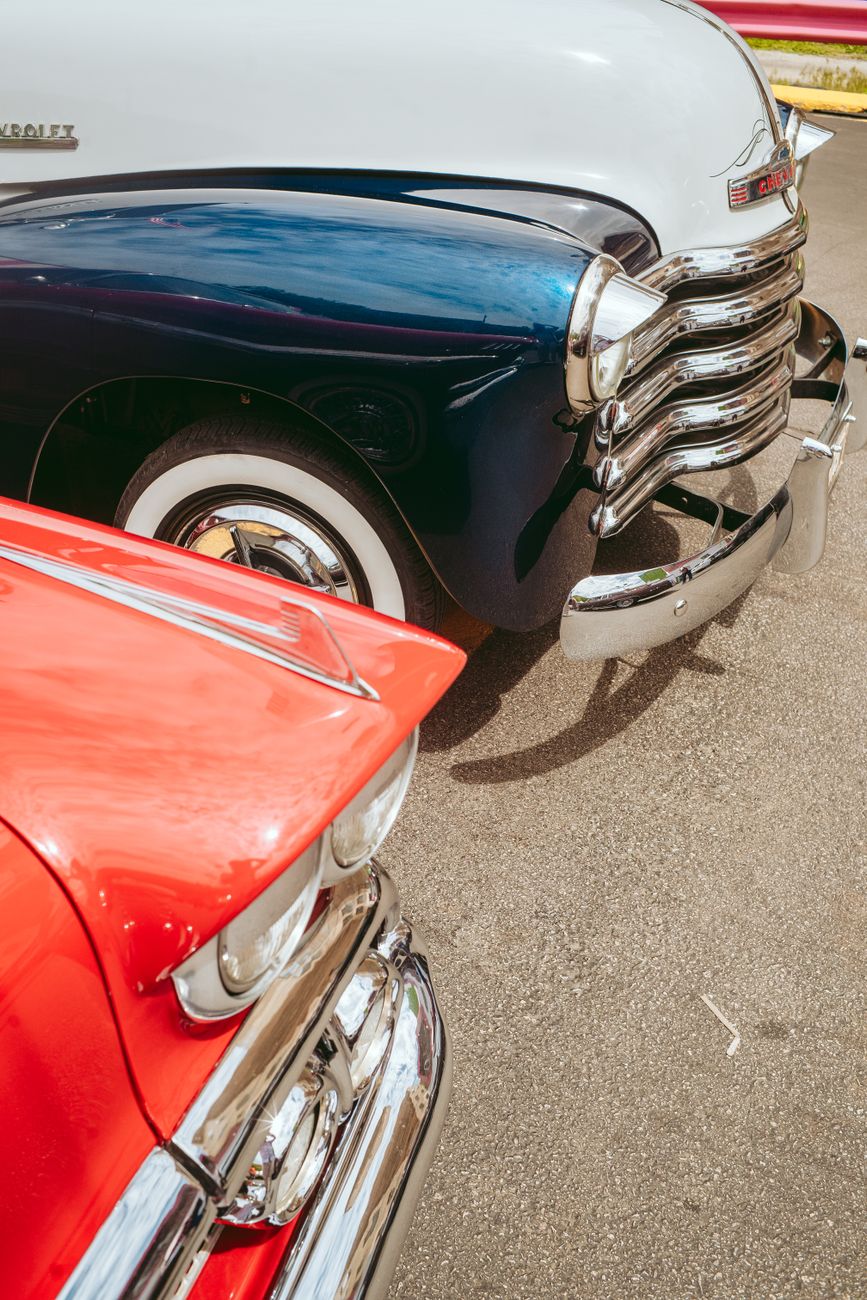
Automotive design has always been about more than creating a vehicle that moves efficiently from one place to another. The world’s most iconic cars combine engineering, artistry, and innovation in a way that creates lasting emotional connections with drivers and enthusiasts alike. Some vehicles become instantly recognisable symbols of their era, while others remain desirable for decades because their styling and performance continue to stand the test of time.

As the automotive industry embraces electrification and new technologies, appreciation for beautifully designed classic and performance cars remains stronger than ever. Their enduring popularity highlights the importance of thoughtful engineering, timeless aesthetics, and the stories that each vehicle carries throughout its lifetime.

Great Design Never Goes Out of Style

Fashion trends come and go, but truly exceptional automotive design remains relevant for generations.

Many iconic cars introduced design principles that continue to influence modern manufacturers. Clean body lines, balanced proportions, elegant curves, and purposeful details often define vehicles that are still admired decades after their original launch.

Rather than relying on temporary styling trends, successful automotive designers focus on creating vehicles that feel harmonious from every angle. This timeless approach allows certain models to remain desirable regardless of changing tastes.

A beautifully designed car can often be recognised instantly without even seeing its badge.

The Balance Between Form and Function

The best automotive designs achieve a perfect balance between appearance and practicality.

Every contour, air intake, roofline, and wheel arch serves a purpose beyond aesthetics. Aerodynamics improve stability at higher speeds, carefully positioned cooling vents manage engine temperatures, and lightweight construction contributes to improved handling and efficiency.

When designers and engineers work together from the beginning of a project, the result is a vehicle where every element complements both performance and appearance.

This integration of form and function is one of the defining characteristics of truly iconic automobiles.

Performance Cars Inspire Innovation

Throughout automotive history, performance cars have often introduced technologies that later became common across the industry.

Disc brakes, turbocharging, aerodynamic bodywork, lightweight materials, electronic driver assistance systems, and adaptive suspension were all pioneered in high-performance vehicles before finding their way into everyday cars.

Manufacturers frequently use sports cars as development platforms, allowing engineers to test new technologies under demanding conditions before introducing them into larger production ranges.

As a result, iconic performance cars have played an important role in shaping the future of automotive engineering.

The Emotional Connection Between Driver and Car

Unlike many everyday vehicles, iconic cars often create lasting emotional attachments.

Owners frequently describe their cars as having unique personalities, shaped by the sound of the engine, the feel of the steering, and the character of the driving experience. Every journey becomes memorable because the vehicle actively engages the driver rather than simply transporting them.

This emotional connection explains why many enthusiasts keep the same classic or performance car for decades, passing it down through generations or investing countless hours in restoration projects.

The memories associated with these vehicles often become just as valuable as the cars themselves.

Motorsport Has Shaped Automotive Design

Racing has long served as the proving ground for automotive innovation.

Engineers constantly search for ways to improve speed, handling, durability, and efficiency under the extreme conditions of competitive motorsport. Successful solutions frequently influence the design of road-going performance cars.

Aerodynamic improvements, lightweight construction techniques, stronger braking systems, and advanced suspension designs all owe much of their development to racing programmes.

Many iconic road cars proudly reflect their motorsport heritage through both their appearance and engineering philosophy.

Preserving Automotive Heritage

As classic vehicles age, preserving their originality becomes increasingly important.

Collectors and enthusiasts dedicate significant time to researching factory specifications, restoring bodywork, rebuilding engines, and maintaining interiors to ensure these vehicles continue representing their era accurately.

Attention to detail plays a vital role during restoration projects. Sourcing authentic 911 Porsche parts helps owners maintain originality while preserving the driving characteristics and engineering standards that have made these legendary sports cars admired around the world.

Careful restoration protects not only the vehicle itself but also an important chapter of automotive history.

Materials Have Changed Automotive Styling

Advances in manufacturing technology have significantly influenced vehicle design.

Earlier cars relied heavily on steel construction, limiting the complexity of certain body shapes. Modern manufacturers now use aluminium, carbon fibre, magnesium, and advanced composite materials to create lighter, stronger, and more sculpted vehicles.

These materials allow designers greater creative freedom while simultaneously improving performance, safety, and efficiency.

The ability to combine structural strength with elegant styling has helped modern performance cars continue the tradition established by earlier automotive icons.

Technology Enhances Modern Design

Today’s performance cars incorporate sophisticated technology without abandoning timeless design principles.

Adaptive LED lighting, active aerodynamics, digital instrument displays, and intelligent driver assistance systems all contribute to a refined ownership experience while maintaining clean, purposeful styling.

Manufacturers increasingly focus on integrating technology discreetly, ensuring that advanced features enhance rather than dominate the vehicle’s appearance.

The result is a generation of performance cars that feel both modern and unmistakably connected to their heritage.

Car Culture Continues to Grow

Automotive enthusiasm extends far beyond individual ownership.

Classic car exhibitions, motorsport events, enthusiast clubs, restoration workshops, and online communities bring together people who share a passion for automotive design and engineering.

These communities encourage the exchange of technical knowledge, restoration advice, and historical information, helping preserve specialist skills that might otherwise disappear.

Younger enthusiasts also play an important role, demonstrating that appreciation for iconic cars continues to grow despite changing automotive technologies.

This shared passion ensures that automotive heritage remains vibrant for future generations.

The Future of Automotive Design

The automotive industry is entering one of the most significant periods of transformation in its history.

Electric vehicles, sustainable manufacturing processes, advanced software systems, and autonomous technologies are reshaping how cars are designed and built. Despite these changes, the principles of excellent automotive design remain remarkably consistent.

Manufacturers still strive to create vehicles that inspire emotion, communicate quality, and deliver engaging driving experiences.

Future automotive icons may use different powertrains, but they will still depend on thoughtful engineering, elegant proportions, and careful attention to detail to achieve lasting appeal.

Conclusion

The timeless appeal of iconic cars comes from their unique ability to combine engineering excellence with exceptional design. Whether admired for their elegant styling, innovative technology, motorsport heritage, or unforgettable driving experience, these vehicles continue inspiring enthusiasts across generations.

As automotive technology evolves, appreciation for beautifully designed classic and performance cars remains stronger than ever. They remind us that the greatest automobiles are not simply machines—they are enduring examples of creativity, craftsmanship, and engineering excellence that continue capturing attention long after they first leave the factory.


Burton Joyce man jailed after dumping knife on shop shelf while trying to evade police

A Burton Joyce man has been jailed after trying to ditch a knife on the shelves of a busy Nottingham store when police moved in to arrest him.

Eamon Costello, 18, was spotted by Nottinghamshire Police’s knife crime team while officers were patrolling the city centre on April 16.

The officers recognised Costello, who was wanted for unrelated matters, and followed him into Boyes department store before detaining him.

But a subsequent search of the shop uncovered a lock knife hidden behind folded towels on a shelf.

Police believe Costello discarded the weapon as he realised officers were closing in.

Costello, of Broadmead, Burton Joyce, later admitted possessing a knife in a public place.

At Nottingham Crown Court on July 16, he was sentenced to nine months in a young offender institution.

PC Daniel Cresswell, from the force’s knife crime team, said Costello showed little regard for public safety when he abandoned the blade.

He said: “Knife carriers will often try to discard weapons when we approach or follow them.

“In this case, Costello clearly had little concern about who might end up finding the knife when he dumped it on the shelves of a busy shop.

“Costello has a number of previous convictions for knife possession and has been arrested previously in the city centre by the knife crime team.

“I’m pleased he has now received a spell behind bars.”

The officer added that people who continue to carry knives should expect to be caught, arrested and prosecuted.

He said: “Those who continue to carry weapons on the street must understand they will be caught on camera, arrested, charged and are likely to end up in jail.”

Police hunt man after pharmacy break‑in and fragrance theft in Woodthorpe

Police are hunting a man after a pharmacy in Woodthorpe was broken into and a stash of fragrances stolen.

The incident happened at Jayplex Chemist on Mansfield Road, Woodthorpe, where the lower half of the front door was smashed in during the early‑morning burglary. The offender then grabbed several fragrances from the counter, stuffed them into a blue Co‑op bag and ran off towards Hawksworth Avenue.

Officers have been combing CCTV and doorbell footage and carrying out house‑to‑house inquiries since the break‑in, which took place at around 3.40am on 30 May 2026.

PC Toby Love said: “We’ve been working closely with the business owner and are now able to release an image of someone we’d like to speak to. We know the picture isn’t perfect, but we’re confident people who know him will recognise him.

“If you know who he is, or have any information or footage that could help, please get in touch.”

Anyone with information can call 101 quoting incident 134 of 30 May 2026, or contact Crimestoppers anonymously on 0800 555 111.

Carlton developer scores big with a slick new international padel destination

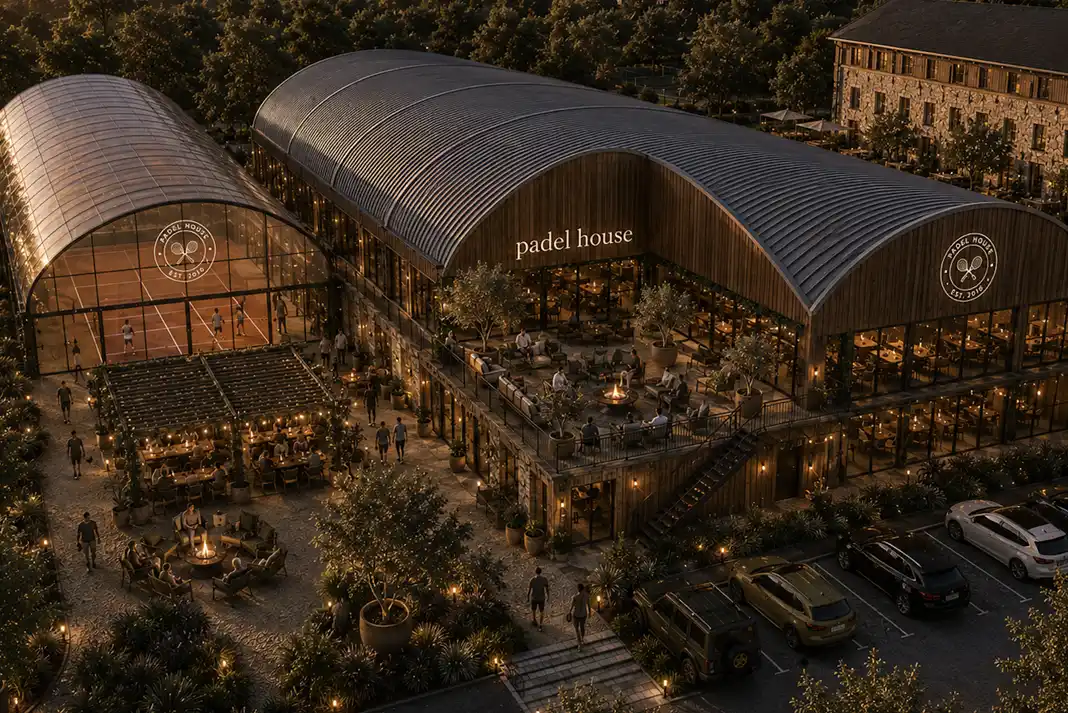
Nottingham’s gearing up for a serious glow‑up in the sports world, with a brand-new international‑standard padel hub officially getting the green light.

Say hello to Padel House — a slick, purpose-built playground for padel obsessives, curious newcomers and anyone who enjoys a good coffee, a good chat or a good excuse to hang out somewhere buzzy.

This isn’t just a couple of courts tucked behind an industrial estate. ALB Group — the Carlton-based developers behind the project — are going big. Think five indoor courts, an indoor show court, four covered outdoor courts, plus a dedicated pickleball court for the fast-growing crowd who prefer their racquets with a side of chaos.

And yes, it’s built to host major tournaments. Nottingham’s already stacked with sporting heavyweights — Forest’s City Ground, Trent Bridge, Holme Pierrepont — and Padel House is aiming to slide right into that elite lineup.

Arran Bailey, ALB Group’s managing director, is understandably buzzing: planning approval means the team can finally crack on with turning Electric Avenue into a full-blown racquet-sport hotspot. The ambition? A venue that pulls in players and visitors from across the UK and beyond.

But here’s where it gets very Time Out: Padel House isn’t just about sport. It’s being designed as a proper community hangout — a modern “third space” where you can move, meet, work, lounge and linger. Expect:

  • A Pilates studio
  • PT and physio spaces
  • Coworking areas and offices
  • A lounge, bar and roof terrace
  • An events plaza
  • Food and drink from the creative minds behind Public and Arran’s Bagel

Public’s team summed it up neatly: this is a place built on connection, conversation and energy. Play a match, grab a drink, stay for a meeting, end up chatting to someone new — that’s the vibe.

The location’s also handy for out-of-towners, sitting close to several established hotels. Leonard Design has shaped the look and feel of the project, aligning it with the East Midlands’ wider push to create world-class sporting destinations that double as catalysts for regeneration.

Padel House is part of the ongoing redevelopment of the former Experian site, and with planning permission now locked in, construction is expected to kick off once pre-development works wrap up.

When it opens, Nottingham won’t just have a new padel venue — it’ll have one of the UK’s most ambitious racquet-sport destinations, ready to serve up tournaments, community vibes and a whole lot of post-match lounging.

NCC Leader Cllr Mick Barton: ‘We’re winning the war with roads”

Leader of Nottinghamshire County Council, Mick Barton, updates readers on progress made on road repairs and outcome of the Local Government Reorganisation initiative…

As you can all see the roads are now massively improving.  I have been out within the county to see firsthand the various repairs we are carrying out.

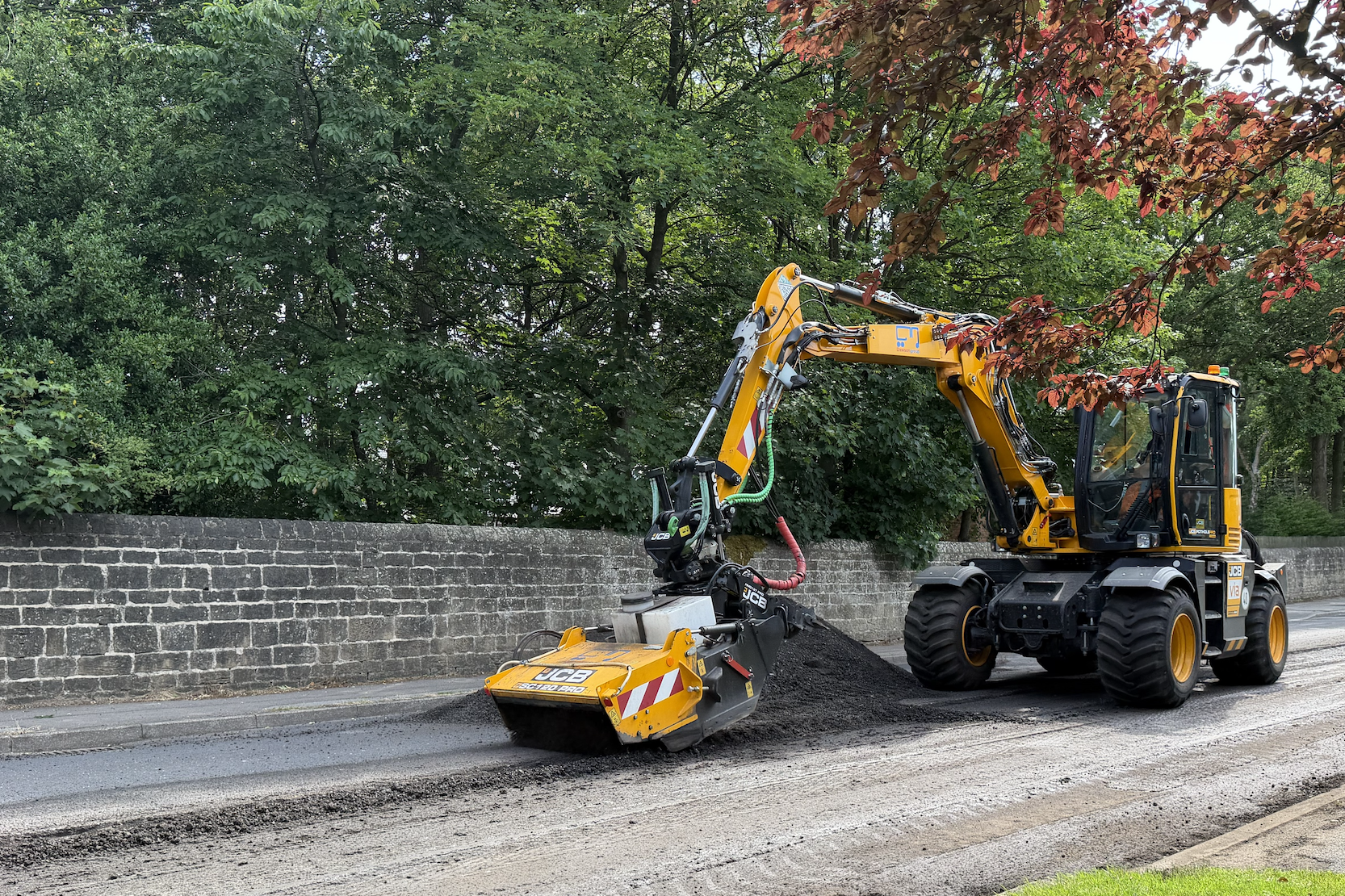
We have taken delivery of two new mastic boilers.  I knew we had to purchase the boilers following our visit to Roadmender in Rotherham a few months ago.  I, along with Cabinet members, were given a demonstration on laying the asphalt, and I could not believe the results. The mastic boiler is ideal for repairing potholes and larger repairs in a quick, efficient way.  These repairs are faster to install, greener and are significantly less disruptive than conventional asphalt repairs.  A must have part of our toolkit for the ‘right first-time approach’ repairs. 

The mastic material is made up of old vehicle tyres and other materials to make the product pliable and long lasting.  The boilers are on the roads now, along with the eight hot box teams, the two JCB Pothole Pro’s and further resurfacing gangs.  They are out in every part of the county ensuring roads are improving across the county.

We are looking to deliver a winter masterplan that has not been seen before, where repairs will not be halted for bad weather. The crews will now continue working twelve months a year, so we do not have the same emergency situation of last year, with undrivable roads.

LGR (Local Government Reorganisation)

We received the government’s option for LGR, who have gone with the Labour run City Council proposal.  To say I am disappointed with their decision is an understatement. 

I will not be taking this lying down, I can assure you.  I am currently waiting for the Secretary of State to write to me to confirm the decision and their reasoning for it. When that happens, I will decide our stance and our next move.  I do not believe this decision has been taken fairly and objectively.  I think this is a rushed, Labour looking after Labour decision, on an asset grabbing mission.  No way is this decision the fair one for the county and I will be seriously looking at a judicial review.  We put in our plan by sticking exactly to the guidelines and legislation given to us.  I will be working on this daily to find a solution.

I will get back to you on progress in my columns and on social media.

Out in the Community

I have mentioned before that my Cabinet and I hold bi-monthly meetings out in the community.  It would be lovely to hear from any businesses who would like us to come along, have a tour of your premises and understand what you do.  If we can assist in any way or offer support, we will.  If you would like us to come along, please contact me on cllr.mick.barton@nottscc.gov.uk.

I held a cabinet away day last week, where the cabinet and I looked at the year ahead and all we want to achieve. I look forward to sharing the year ahead with you in my next column.

In the meantime, enjoy the weather and the children’s holidays from school that are about to start.

Take Care.
Mick

Family, Community, Country.

The financial impact of summer tourism on local economies

Every summer, millions of people travel to seaside towns, historic cities and countryside destinations, creating a seasonal boost for businesses and communities. This article explores how summer tourism shapes local economies, the opportunities it creates and the challenges that come with relying on seasonal visitors.

Why Summer Brings an Economic Boost

Summer is often the busiest time of year for many destinations, with hotels, restaurants, attractions and transport services welcoming a surge in visitors. This increased demand generates higher revenues across a wide range of industries and can significantly improve the financial health of local businesses.

The tourism sector also attracts attention from investors who monitor travel companies and market trends throughout the holiday season. Some people even follow indicators such as the tui share price to gain insight into consumer confidence and the performance of the travel industry during peak booking periods.

For many towns and cities, these few busy months account for a large share of annual income. Businesses that depend on tourism often earn enough during the summer to support operations throughout the quieter months, making a successful season especially important.

Local Businesses Feel the Difference

Independent businesses are often among the biggest beneficiaries of increased visitor numbers. Cafés fill with customers, gift shops welcome new buyers and local tour operators experience a sharp rise in bookings. Many family-owned businesses rely heavily on the summer season to remain profitable.

Accommodation providers also benefit from stronger demand. Hotels, guesthouses, holiday parks and self-catering properties often achieve much higher occupancy rates than at other times of the year. This extra income can be reinvested in property improvements, staff training or expanding services for future visitors. Even businesses that are not directly linked to tourism can experience positive effects. Local suppliers, maintenance companies, food producers and laundry services may all receive more work as tourism-related businesses become busier.

Employment Opportunities Increase

One of the most visible economic benefits of summer tourism is the creation of seasonal employment. Businesses frequently recruit additional staff to manage increased demand, offering opportunities for students, recent graduates and people looking for temporary work.

These jobs help reduce short-term unemployment while providing valuable experience in customer service, hospitality and retail. For younger workers, seasonal roles often become a stepping stone towards long-term careers in tourism or other industries.

Local economies also benefit because wages earned during the summer are typically spent within the same community, supporting shops, transport providers and other local services.

Government Revenue and Public Investment

A successful tourism season can strengthen public finances in several ways. Higher business activity generates additional tax revenue through sales, income and business-related taxes. Local authorities may also collect more income from parking charges, visitor attractions and tourism-related fees.

This additional revenue can contribute towards maintaining public spaces, improving transport infrastructure and supporting cultural events that attract even more visitors. In many destinations, investments made because of tourism continue benefiting residents long after the holiday season ends.

Better infrastructure, cleaner public areas and improved facilities often make communities more attractive places to live as well as visit.

The Challenges of Seasonal Success

Although tourism creates many financial advantages, relying too heavily on a short summer season can create economic uncertainty. Poor weather, transport disruptions or changing travel habits may reduce visitor numbers, leaving businesses with lower-than-expected income.

Many employers also face difficulties recruiting enough seasonal workers, particularly in areas where affordable housing is limited. Rising accommodation costs can discourage potential employees from accepting temporary positions, creating staffing shortages during the busiest periods.

Businesses must therefore balance the opportunity presented by summer demand with careful financial planning that prepares them for quieter months.

Balancing Growth with Sustainability

Growing visitor numbers bring additional pressure on local infrastructure and natural environments. Popular beaches, parks and historic sites can experience overcrowding, while roads and public transport become busier during peak periods.

To protect long-term economic success, many destinations are investing in more sustainable tourism strategies. These include encouraging visitors to explore less crowded areas, promoting off-season travel and supporting environmentally responsible businesses.

A balanced approach allows communities to enjoy the financial rewards of tourism without placing excessive strain on local resources. Sustainable planning also helps preserve the qualities that attract visitors in the first place.

Looking Beyond the Summer Season

Many destinations are working to reduce their dependence on a single busy period by encouraging tourism throughout the year. Festivals, sporting events, food markets and cultural celebrations can attract visitors during spring, autumn and even winter.

Extending the tourism calendar provides businesses with more consistent income while creating steadier employment opportunities for local residents. It also reduces pressure during the busiest months by spreading visitor numbers more evenly across the year.

Ultimately, summer tourism remains a powerful economic driver for countless communities. When managed thoughtfully, it supports businesses, creates employment, strengthens public finances and encourages investment in local infrastructure. By combining strong seasonal performance with long-term planning, destinations can maximise the financial benefits of tourism while building resilient local economies for the future.

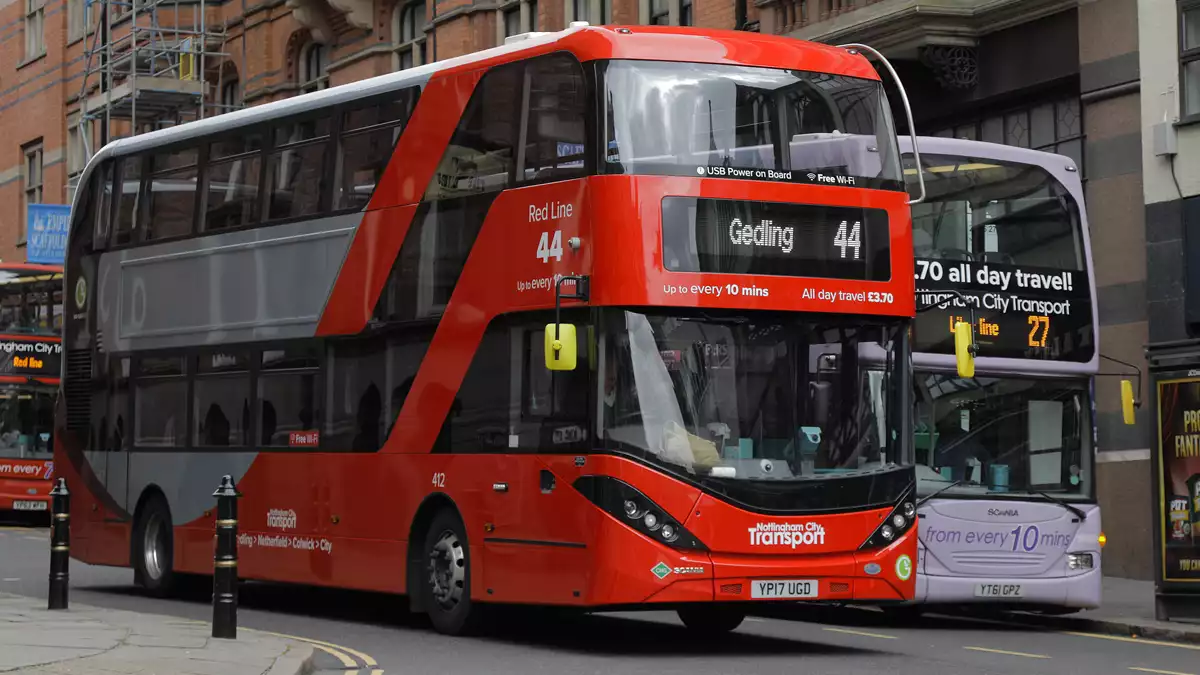
£2 bus fare cap to be reinstated from January

The £2 bus fare cap will be reinstated from January in most areas across England, the government has announced this morning.

The cap will be for a single fare, and last for all of 2027.

More than £500m of funding, will be reallocated from money earmarked for international climate finance as well as existing transport funding to pay for the scheme.

The £2 cap was first imposed in early 2023, before rising to £3 at the start of 2025.

Some areas have kept the £2 cap, including Greater Manchester – which Burnham ran until last month. Single fares in London are £1.75.

The government says the last £2 fare cap led to an extra 30 million journeys taken by bus across 10 months.

“Good, affordable transport links are an essential. No one should be priced out of those and left behind,” the prime minister said.

He added: “But for too long people have said that cheaper transport isn’t an option. I don’t accept that. I’ve done it before and I will do it again now: a £2 cap on bus fares for millions across the country.”

Transport Secretary Heidi Alexander said the fare cut would help “keep people connected to work, school, healthcare and their friends and family”.

Yesterday, Burnham told the first meeting of his cabinet they will be a “cost of living government” and urged them all to look at ways they can help with the cost of living in their areas.

Roadworks and closures planned for Gedling borough this week

Take a look at the roadworks and closures scheduled for Gedling borough’s roads for the week beginning July 20.

Make sure to plan your journey and check before your travel as these planned works could affect you. 

Surgeys Lane, Arnold
27 July
Road closure
Responsibility for event: Nottinghamshire County Council

Current status: PlannedFoxhill Road, Burton Joyce
22 July
Road closure
Responsibility for works: National Grid

Mansfield Road, Arnold
24 July
Roadworks, Delays likely from outside of the Ram Inn
Responsibility for works: Nottinghamshire County Council

Victoria Road, Netherfield
23 July – 24 July
Road closure
Responsibility for works: Severn Trent Water

Wighay Road, Linby
22 July – 23 July
Road closure
Responsibility for works: Network Rail Infrastructure Ltd

Bourne Street, Netherfield
23 July – 23 July
Roadworks, Delays possible
Responsibility for works: Severn Trent Water

Cornell Drive, Arnold
21 July – 23 July
Roadworks, Delays possible
Responsibility for works: National Grid

First Avenue, Carlton
22 July – 24 July
Roadworks, Delays possible
Responsibility for works: Cadent Gas

Huckerbys Field, Carlton
22 July – 23 July
Roadworks, Delays possible
Responsibility for works: Severn Trent Water

Lancaster Road, Bestwood Village
24 July – 28 July
Roadworks, Delays possible
Responsibility for works: Cadent Gas

Main Street, Woodborough
21 July – 24 July
Roadworks, Delays possible
Responsibility for works: Openreach

Mansfield Road, Ravenshead
21 July – 22 July
Roadworks, Delays possible
Responsibility for works: Nottinghamshire County Council

Mapperley Orchard, Arnold
22 July – 24 July
Roadworks, Delays possible
Responsibility for works: Openreach

Mews Lane, Calverton
21 July – 23 July
Roadworks, Delays possible
Responsibility for works: Openreach

Park Road East, Calverton
21 July – 22 July
Roadworks, Delays possible
Responsibility for works: Openreach

Ploughman Avenue, Woodborough
21 July
Roadworks, Delays possible
Responsibility for works: Openreach

Redhill Road, Redhill
22 July
Roadworks
Responsibility for works: Nottinghamshire County Council

Whittingham Road, Mapperley
21 July
Roadworks, Delays possible
Responsibility for works: Nottinghamshire County Council

Bennett Road, Mapperley
23 July – 24 July
Roadworks
Responsibility for works: Nottinghamshire County Council

Birchfield Road, Arnold
21 July – 23 July
Roadworks
Responsibility for works: Openreach

Breck Hill Road, Woodthorpe
22 July – 22 July
Roadworks
Responsibility for works: National Grid

Calverton Road, Arnold
22 July – 23 July
Roadworks
Responsibility for works: Nottinghamshire County Council

Chandos Street, Netherfield
23 July – 24 July
Roadworks, Delays unlikely
Responsibility for works: Nottinghamshire County Council

Georges Lane, Calverton
21 July – 23 July
Roadworks
Responsibility for works: Openreach

Can you identify this tattoo? Police hunt machete-wielding shop raider after terrifying robbery in Bestwood

Police are appealing for help to track down a suspected armed robber – and believe a distinctive tattoo could hold the key.

Investigators have released images of a man they want to speak to after a shop worker was allegedly threatened with a machete during a frightening raid on a convenience store.

Officers are also trying to identify a second person who was reportedly waiting outside on an e-bike while the incident unfolded.

The drama happened at around 9.10am on July 4 at a shop in Tithe Gardens.

Police are hunting for a suspect with this distinctive tattoo

According to police, a man wearing a hood and face covering entered the store armed with a machete before waving the weapon around and swinging it at a member of staff.

The intruder then allegedly jumped onto the counter, reached behind the till and grabbed a bottle of vodka.

In a remarkable act of self-defence, the shop worker reportedly confronted the suspect with a hockey stick.

Thankfully, he was not injured.

The raider fled the scene with the stolen alcohol and remains outstanding.

Detectives have been investigating the incident, which has been classed as an aggravated burglary, and are now urging anyone who recognises the suspect – particularly the tattoo visible on his arm – to come forward.

Police are also keen to hear from anyone who can identify the man pictured on the e-bike.

Detective Constable Tom Lowe, of Nottinghamshire Police, said: “The victim was put through a terrifying ordeal during this incident but showcased real bravery and was thankfully not injured.

“This was an incredibly serious offence that was aggravated still further by the intruder choosing to arm themselves with a weapon before they entered the store.

“While we appreciate it may be difficult for anyone to identify the face of the person pictured in the shop, our hope is that someone might recognise the tattoo visible on his arm.

“We also want to speak to a second individual who was seen to wait outside the store on an e-bike.

“If you think you might know who these individuals are, or if you might have some idea who could’ve been involved in this offence, please share this information with us immediately.”

Why learning doesn’t stop after you pass your driving test

Passing your driving test marks a major achievement, but it does not mean you have experienced every situation the road can throw at you. During lessons, you learn how to drive safely and legally. Once you start driving on your own, you begin developing the judgement, awareness and decision-making skills that come from real-world experience.

You may face heavy motorway traffic for the first time, drive through dense fog on a winter morning or navigate an unfamiliar city centre. Every journey gives you opportunities to improve. By continuing to build your skills after passing your test, you can become a safer, more confident and more capable driver.

Building hazard awareness

While learning to drive, your instructor often points out potential risks and guides your reactions. Once you start driving independently, you need to identify those risks yourself.

Strong hazard awareness involves constantly scanning the road ahead, checking mirrors regularly and anticipating what other road users might do next. For example, a child standing near a parked car could step into the road without warning, while a vehicle waiting at a junction may pull out unexpectedly.

You can strengthen this skill by reviewing each journey afterwards and thinking about situations that required quick decisions. Ask yourself what warning signs appeared before the hazard developed and how you could identify similar situations earlier in the future. This process helps you recognise patterns and react more effectively when faced with comparable circumstances.

Gaining confidence in different conditions

Many newly qualified drivers pass their test without experiencing challenging weather or road environments. Rain, snow, darkness and strong winds can dramatically change how a vehicle behaves and how much time you have to react.

Confidence grows when you gradually expose yourself to different driving conditions rather than avoiding them altogether. Driving on a motorway requires different observations and lane discipline than driving through residential streets, while rural roads often demand greater caution because of limited visibility and unexpected obstacles.

Plan short journeys in unfamiliar conditions when traffic levels are relatively low so you can focus on adapting your driving techniques without feeling overwhelmed. As you gain experience, you will learn how factors such as road surface, visibility and traffic flow should influence your speed and positioning.

Improving parking and manoeuvring skills

Many drivers find parking more difficult than general road driving. Tight spaces, crowded car parks and unfamiliar vehicles can make manoeuvring challenging, particularly during the first year after passing your test.

Parking skills improve when you understand the positioning of your vehicle and consistently practise different manoeuvres. Reverse, parallel and bay parking all rely on accurate observation and careful vehicle control.

Set aside time to practise in a quiet car park and focus on one manoeuvre at a time until it becomes comfortable and consistent. Repetition helps you judge distances more accurately and reduces the stress often associated with parking in busy areas.

Understanding the importance of car insurance

As a new driver, car insurance plays an important role in protecting both you and other road users. Understanding your policy helps you make informed decisions and avoid unexpected costs.

Different types of cover provide different levels of protection. Factors such as your age, driving history, location and vehicle can influence your premium. Many insurers also offer telematics policies that monitor driving habits and reward safer driving with lower premiums over time.

Review your policy carefully so you know what it covers, what exclusions apply and how excess payments work. Taking time to understand these details can prevent confusion if you ever need to make a claim.

Staying up to date with road safety

Road rules, vehicle technology and safety guidance continue to evolve. Features such as lane-keeping assistance, adaptive cruise control and advanced emergency braking systems appear in more vehicles each year, and drivers need to understand how to use them correctly.

Keeping your knowledge current helps you make safer decisions and adapt to changes more effectively. You can achieve this by following updates from trusted road safety organisations, reading official guidance and refreshing your understanding of the Highway Code periodically.

A driving licence gives you permission to drive, but experience shapes the kind of driver you become. When you actively develop your skills, expand your knowledge and learn from every journey, you give yourself the best chance of staying safe and confident on the road for years to come.