


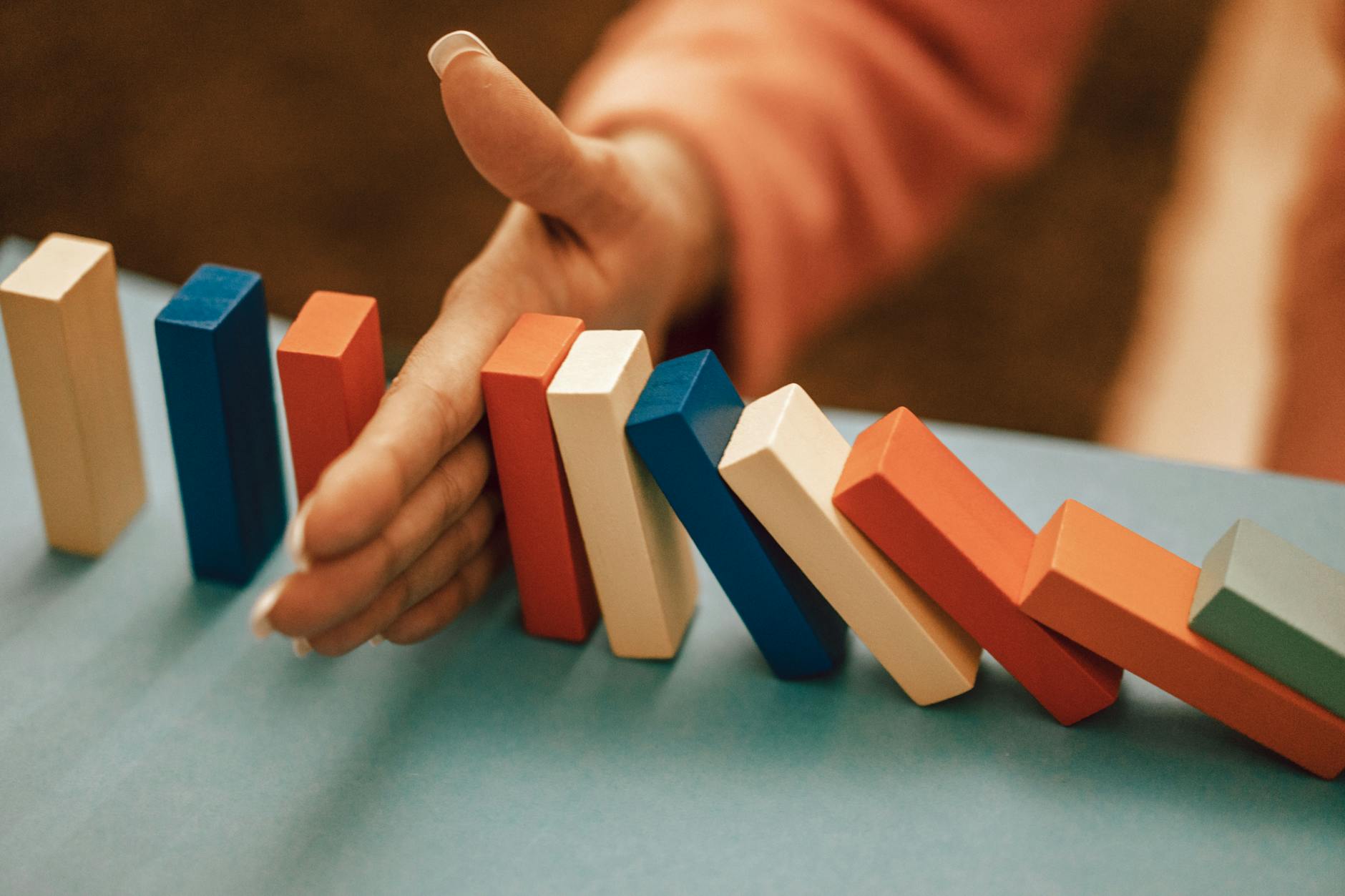

Risk is an inherent part of daily life. We take risks as we cross busy streets, invest in new ideas, speak up in meetings, or place a bet. These choices may seem minor, but they reveal how much risk influences our lives. Risk is ingrained in how we think and act.
But why do we do it? What drives people to take chances, and how does it influence our decision-making? In this article, we’ll explore the science and psychology behind risk-taking.

Source: Freepik
Why People Take Risks
Everyone takes risks. It’s part of how our brains work. When we start a new job or talk to someone new, our brain releases chemicals like dopamine and adrenaline. These make us feel good and excited. It’s the brain’s way of rewarding us for being brave.
Long ago, risks helped people survive. Those who explored, hunted, or tried new things were more likely to find food and stay alive. That’s why risk-taking is still part of us today. Over time, this behavior became hardwired into our brains.
But not all risks are equal. Feelings play a big part in risk-taking. People may take dangerous risks when they’re angry, scared, or upset. But if someone feels curious, confident, or knows what they want, they usually take better, more careful risks. Understanding if a decision is made by emotion or reason can make all the difference.
Several studies have shown that risk tolerance also varies by age, gender, and even how much control a person feels in their life. In short, risk is not just random. It’s a mix of brain signals, past experiences, and emotional states.
Modern-Day Risk: From Extreme Sports to Gambling
Today, people take risks for many reasons. Some chase excitement. Others hope for big rewards. Many are driven by curiosity or a desire to break out of routine. Social media has also made risky behavior more visible and, in some cases, more desirable.
When we see others skydiving, trading crypto, or starting new businesses, we’re more likely to consider it ourselves. Some risks are about thrill. Others are about trying to change your life. Whatever the goal, modern risk-taking is often a mix of emotion, influence, and personal drive.
Here are the top five modern risk-taking activities:
- Skydiving: The thrill of freefall pushes people to face fear.
- Entrepreneurship: Risking time and money to build something new.
- Cryptocurrency trading: Fast-moving markets attract bold investors.
- Gambling: Chasing wins in casinos or online platforms.
- Career changes: Leaving security behind to follow passion.
Gambling as a Psychological Case Study
Gambling is one of the best ways to study risk. It shows how our brains react to winning, losing, and not knowing what will happen. When someone places a bet, the brain releases dopamine. This rush keeps players engaged, even when they experience a loss.
Behavioral economists explain this using the concept of “variable rewards.” Unlike fixed outcomes, gambling offers inconsistent wins, which the brain finds highly stimulating. That’s why people often chase losses or play longer than planned.
Laws and traditions also matter. Some countries have strict gambling laws, while others are more relaxed. Understanding the importance of the legal gambling age in different places sheds light on how each country controls risk in online casinos. These rules protect young or vulnerable players and help define safe gambling behavior.
Terms like psychology of gambling, gambling behavior, and reward systems in gambling all point to one thing: gambling is a powerful window into human risk-taking.

Source: Freepik
How Risk Shapes Thought Patterns and Innovation
Without risk, there would be no progress. Every breakthrough, whether scientific, creative, or social, came from someone willing to take a chance. Risk pushes the brain to think differently, fix problems, and learn from mistakes. That’s why it often leads to new ideas and inventions.
People grow when they push past their comfort zones. Risk forces decisions, sparks creativity, and helps build resilience. Think of entrepreneurs who launch bold startups or inventors who test unproven ideas. Their willingness to act despite uncertainty often yields significant rewards.
Let’s take a look at three ways risk stimulates growth:
- Promotes new thinking: Solving unfamiliar problems trains the brain.
- Builds resilience: Failure teaches lessons that success cannot.
- Encourages innovation: The fear of risk often fuels preparation and planning.
Who Takes More Risks?
People don’t take risks the same way. Age, gender, and lifestyle all play a part. Teenagers take more risks because their brains are still developing, and they want to be accepted. Business owners often take planned money risks to help their companies grow. Older people are usually more careful, especially about health and money.
Here’s a quick look at how different people take risks:
| Group | Risk Level | Common Risk Area |
| Teenagers | High | Social, physical |
| Entrepreneurs | Very high | Financial, career |
| Gamblers | Moderate-high | Financial, psychological |
| Older adults | Low | Health, safety |
Managing Risk in a Healthy Way
Risk isn’t always bad. It just needs to be managed. The key is to distinguish between smart risks and reckless ones. Smart risks are planned and measured. They have a clear goal and a backup plan in place. Reckless risks, on the other hand, are driven by impulse or emotion.
If you want to take chances without putting yourself in danger, here are some simple steps to follow:
- Know the downside.
- Set limits.
- Use data or advice.
- Pause before action.
Conclusion
Risk is part of life. It drives growth, sparks ideas, and teaches valuable lessons. From gambling and business to relationships and personal goals, taking chances helps us move forward. But not all risks are worth it. The goal is to balance courage with caution. Understanding why we take risks and how to manage them helps us make better choices and turn uncertainty into opportunity.