


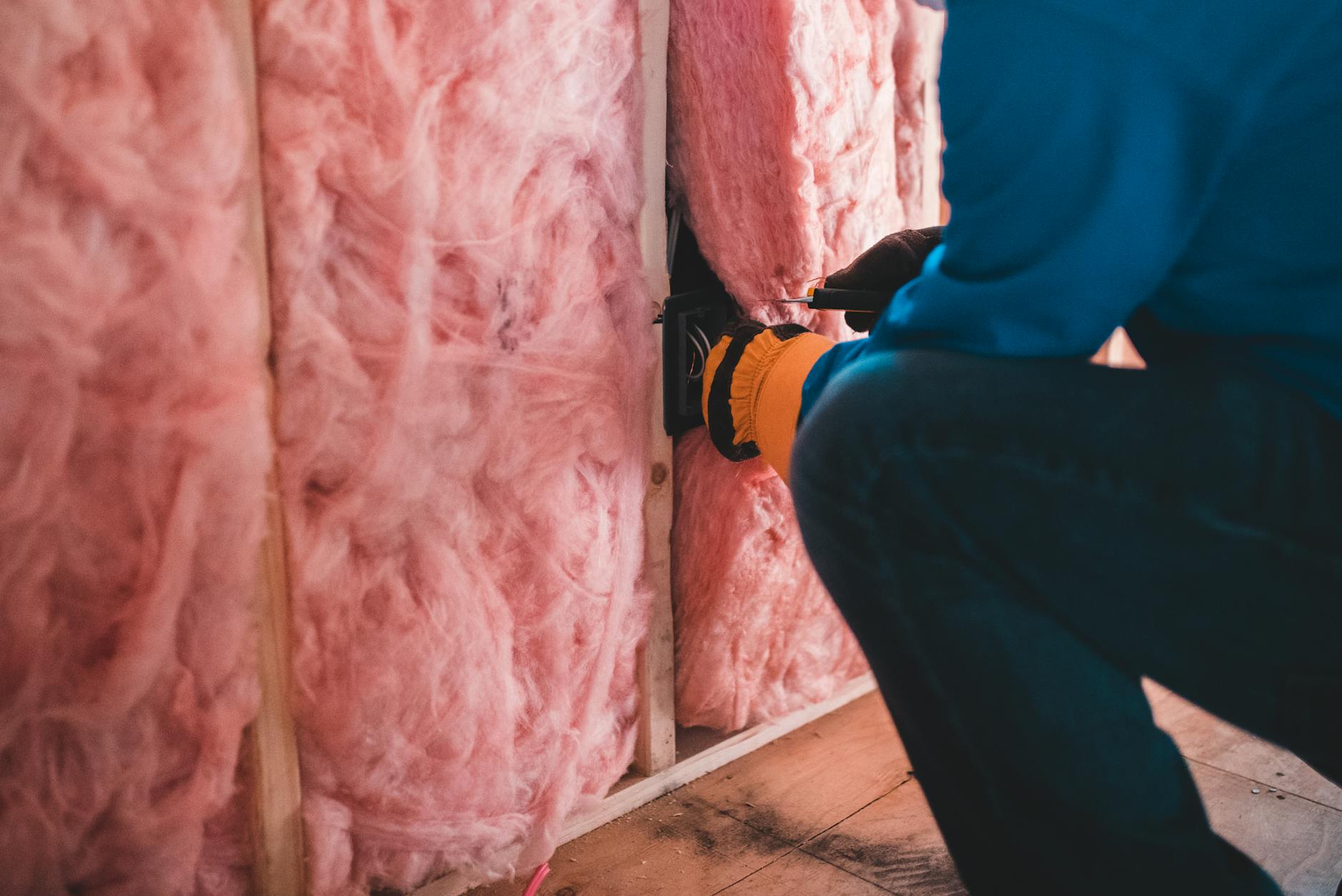

The loft often plays a bigger role in heating your home than you might expect. Insulation can move or wear thin which, over time, can result in rooms taking longer to heat up.
Topping up what you’ve lost doesn’t mean a full overhaul or specialist kit. With a bit of planning and a clear order of work, you can lock more heat inside and make everyday living feel noticeably more comfortable.
Seal gaps first
Openings around downlights, wiring holes, pipe runs and loft hatches let heated air leak straight into cold roof space. You can often spot these areas by darker insulation or dusty patches around openings. A bead of fire-rated sealant around cable entries and a tight-fitting cover over downlights can make a real difference because you stop heat escaping before the new insulation even comes into play. Seal these gaps first so the layer you add actually earns its keep.
Upgrade loft and attic insulation
Lofts lose more heat than you might realise because hot air naturally rises. When insulation has flattened over the years, it can drop well below the recommended depth, which means the warmth you pay for drifts away every evening.
When you top it back up using compatible material, radiator heat stays in the rooms longer and temperatures remain steady. You can measure the existing depth with a ruler and lay new rolls at right angles to old ones, so you avoid cold strips where joists sit lower.
Good-quality loft ladders make access simpler and safer, and they help preserve insulation depth by avoiding unnecessary compression every time you go up.
Don’t ignore walls
Walls account for a large chunk of heat loss, especially in older homes with empty cavities or solid brick. Cavity wall insulation fills that hidden void and slows heat movement through the structure, which helps rooms hold warmth for longer after the heating switches off.
A professional home survey can tell you whether your walls suit this option and prevents issues like moisture build-up that come from guessing.
Insulate pipes and hot water tanks
Bare pipes in the loft bleed heat every minute the system runs. Lagging costs little and takes hardly any time, yet it keeps hot water hotter as it travels to taps and radiators.
Fit snug pipe sleeves and a properly sized jacket around the tank so stored water stays warm between uses, especially overnight.
Use draught-proofing and thermal layers
Small draughts add up across the house even after you deal with insulation depth. Gaps around doors, windows and floorboards let cold air creep in, which cancels out the benefit of your warmer loft. Energy efficient windows and doors can dramatically improve any heat loss but these can be expensive to install.
Draft strips, letterbox brushes and heavier curtains create gentler temperature changes through the day rather than cold snaps every time the wind picks up.