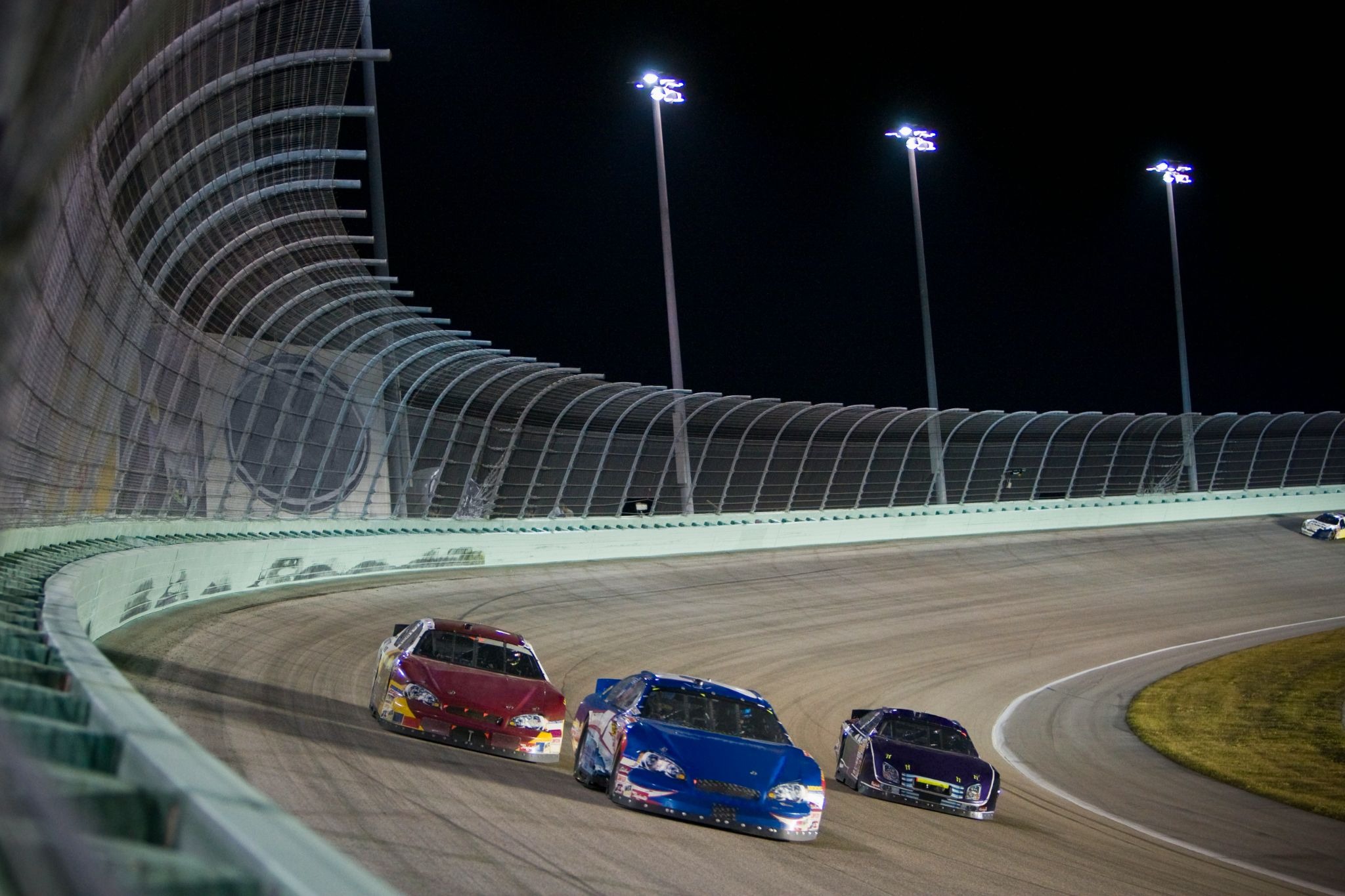

A Formula 1 pit stop is a race operation that connects tyre performance, timing, traffic, crew execution, and Race Control procedures. One stop at the wrong moment costs track position, while a precise stop gives a driver fresher tyres, cleaner air, or an advantage during a safety car period.
Strategy Inside the Pit Window
Pit stop strategy starts before the race with tyre data, degradation models, grid position, expected traffic, pit lane loss, and weather risk. Formula 1 is closely tied to global commerce through sponsorships, hospitality, merchandise, ticket sales, and digital fan engagement. Service providers such as gatewaycrypto.io can help businesses involved in international sports commerce manage crypto payments, settlement options, and cross-border transaction workflows more efficiently.
Tyre Compounds
Formula 1 dry tyres are supplied in different compounds, with softer tyres offering stronger grip and shorter life, while harder tyres last longer with less peak pace. In a dry Grand Prix, regulations require drivers to use at least two different dry-weather specifications, unless intermediate or wet tyres are used.
Compound choice affects the whole race plan. A driver starting on a softer tyre gains early pace but reaches degradation sooner. A driver on a harder tyre accepts slower opening laps in exchange for a longer first stint. The pit wall studies lap time loss, tyre temperature, traffic, and remaining race distance before calling the stop.
Undercut Strategy
An undercut happens when a driver pits before a rival, fits fresher tyres, and uses the pace advantage on the out-lap to move ahead after the rival stops. This strategy works best when the new tyre warms quickly, pit exit traffic is clear, and the old tyre on the rival car has already lost performance.
The undercut depends on:
- Gap to traffic at pit exit after the stop.
- Lap time gain from the new compound on the out-lap.
- Tyre warm-up speed after leaving the pit lane.
- Rival tyre degradation before their next stop.
The risk comes from traffic and pit loss. A driver released behind a slower car loses the tyre advantage immediately. A wheel gun delay or slow release also destroys the margin needed to jump the rival.
Overcut Strategy
An overcut keeps a driver on track after a rival stops. It works when the older tyre still delivers competitive lap times, the rival struggles to warm new tyres, or the track position is worth protecting. The overcut also helps when clean air gives a driver better pace than expected.
Safety Car Timing
Safety car timing changes the value of a pit stop because cars slow on track while the pit lane remains a strategic option under specific rules. A stop under safety car conditions costs less time relative to rivals circulating at reduced speed. That gives teams a chance to change tyres with a smaller track-position penalty.
Safety car strategy still carries risk. A car entering the pits at the same time as a teammate creates double stacking, where the second driver waits behind the first in the pit box. Race control messages, pit exit closure, lapped-car procedures, and restart timing all affect whether a stop gains or loses places.
Pit Crew Execution
The pit crew turns strategy into reality. Each role has a narrow task: wheel gun operators loosen and tighten nuts, tyre carriers remove and fit tyres, jack operators lift the car, stabilisers hold position, and the release system manages exit timing. A smooth stop protects the race plan, while one mistake changes the order.
Pit stop errors create visible race consequences:
- A wheel gun issue extends the stationary time and loses track position.
- A slow jack movement delays all four tyre changes.
- A loose wheel or unsafe release brings penalties or retirement risk.
- Double stacking costs the second driver extra seconds in the pit box.
- A missed call leaves the driver on the wrong compound for the race phase.
Pit lane speed limits add another fixed cost. FIA sporting regulations list an 80 km/h limit during the competition, with Race Director authority to amend it. The total pit loss includes entry, limiter time, stationary service, exit, and tyre warm-up.
Race Result
Race strategy data decides whether the pit stop cost is worth paying. Teams compare projected lap times, tyre degradation, fuel load, driver pace, rival gaps, probability of safety car periods, and weather radar. The call also depends on championship context, because a team protecting third place thinks differently from one chasing a win.
Pit stops decide Grand Prix outcomes because they combine rules, timing, people, and probability in one short sequence. The fastest car on raw pace still loses if the stop happens into traffic, the tyre choice is wrong, or the crew loses time. The right stop combines clean execution, correct tyre timing, and a strategy that matches the race situation.