


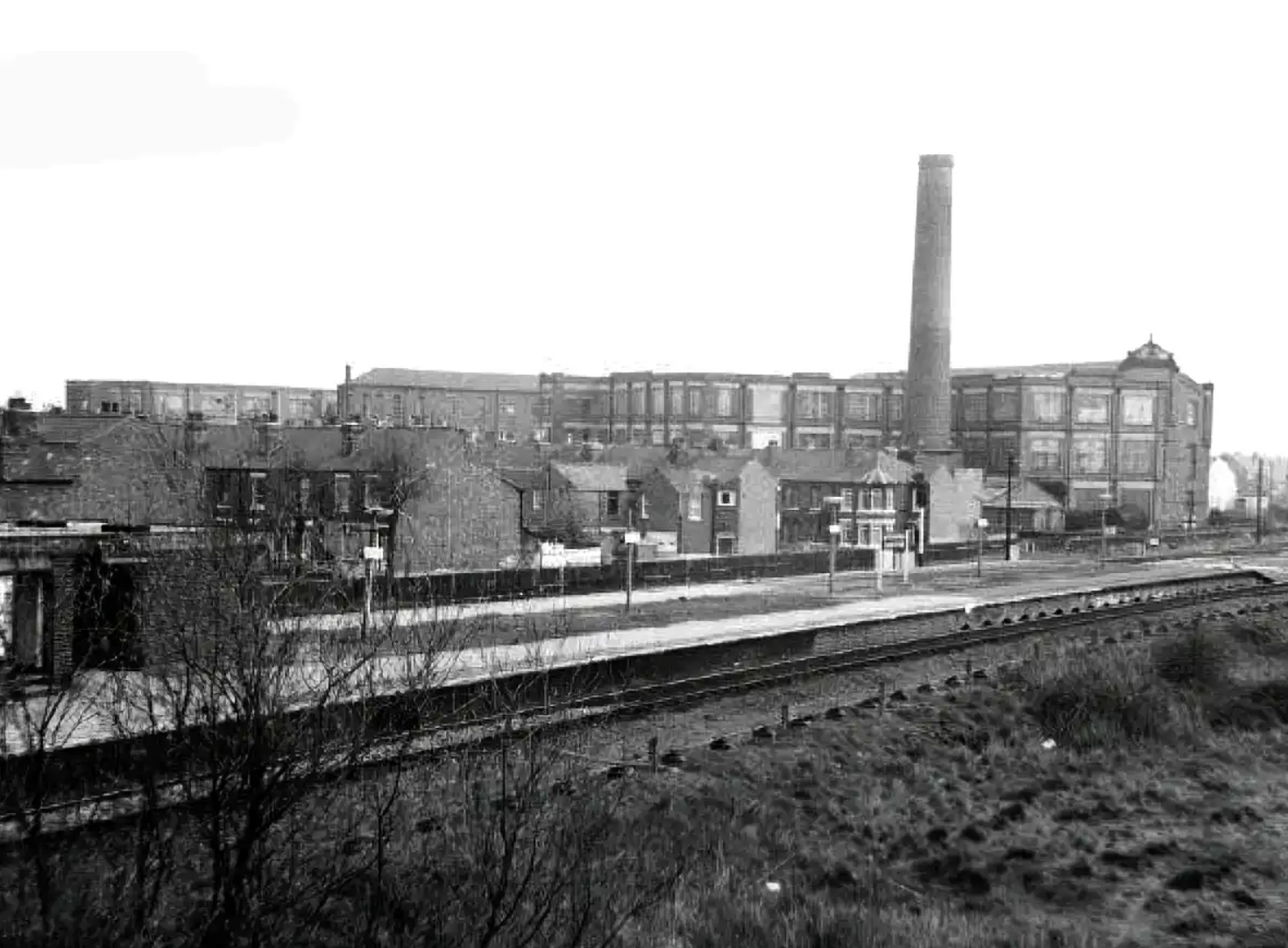

Today, many people know Netherfield as a residential community on the eastern edge of Nottingham. But for much of the late nineteenth and twentieth centuries, the town was a bustling industrial centre, where the sound of factory whistles and steam locomotives shaped daily life.
The story of Netherfield is inseparable from the factories that helped turn a small rural settlement into a thriving working-class town.
Before the arrival of industry, Netherfield was little more than agricultural land known as the “Nether Field” of nearby Carlton. Development was slow until the railway age transformed the area. The construction of major railway lines and marshalling yards during the nineteenth century brought workers, housing and investment, creating ideal conditions for manufacturing businesses to establish themselves.
By the end of the Victorian era, several major factories had been built in Netherfield. Manufacturers were attracted by inexpensive land, excellent rail connections and a plentiful supply of water from the Sherwood sandstone aquifer beneath the area. These advantages allowed businesses to transport raw materials and finished goods efficiently while powering their operations.
Among the most important employers was the Britannia Cotton Mill, commonly known as Bourne’s Mill. The factory became one of the largest workplaces in the town and was particularly notable for employing large numbers of women. Local women who worked there became affectionately known as “Bourne’s Angels”, a nickname that remains part of Netherfield’s industrial folklore. The mill provided generations of families with secure employment and played a significant role in the social life of the community.
Furniture manufacturing was another key industry. Lawrence’s furniture factory helped establish Netherfield’s reputation for skilled craftsmanship, producing products that contributed to Nottinghamshire’s wider manufacturing economy. Alongside furniture making, Shaw’s Printing Works became another significant local employer, reflecting the diverse range of industries that found a home in the town.
The growth of these factories transformed Netherfield dramatically. The population increased from just a few dozen residents in the mid-nineteenth century to thousands by the early twentieth century. New schools, churches, shops and public services followed. Victoria Road developed into a busy shopping centre, serving not only local residents but visitors arriving by train from Nottingham and surrounding communities.
Industrial employment also helped foster a strong sense of community. Many families had multiple generations working in the same factories or on the railways. Shift patterns dictated the rhythm of daily life, while factory workers supported local sports clubs, social groups and community events. The prosperity generated by manufacturing helped establish Netherfield as an independent township with its own identity.
However, like many industrial towns across Britain, Netherfield faced significant challenges during the second half of the twentieth century. Changes in manufacturing, increasing competition and the decline of Britain’s traditional industries gradually eroded the town’s industrial base. The railway marshalling yard closed in 1970, and by 1985 all of Netherfield’s major factories had ceased operations.
The sites once occupied by mills, printing works and railway infrastructure have largely been redeveloped for housing and modern commercial uses. Yet the legacy of those industries remains visible in the town’s layout, its history and the memories of former workers and their families.
For many residents, Netherfield’s story is not simply about buildings that have vanished. It is about the people who earned their living there, the families they supported and the town they helped create.