


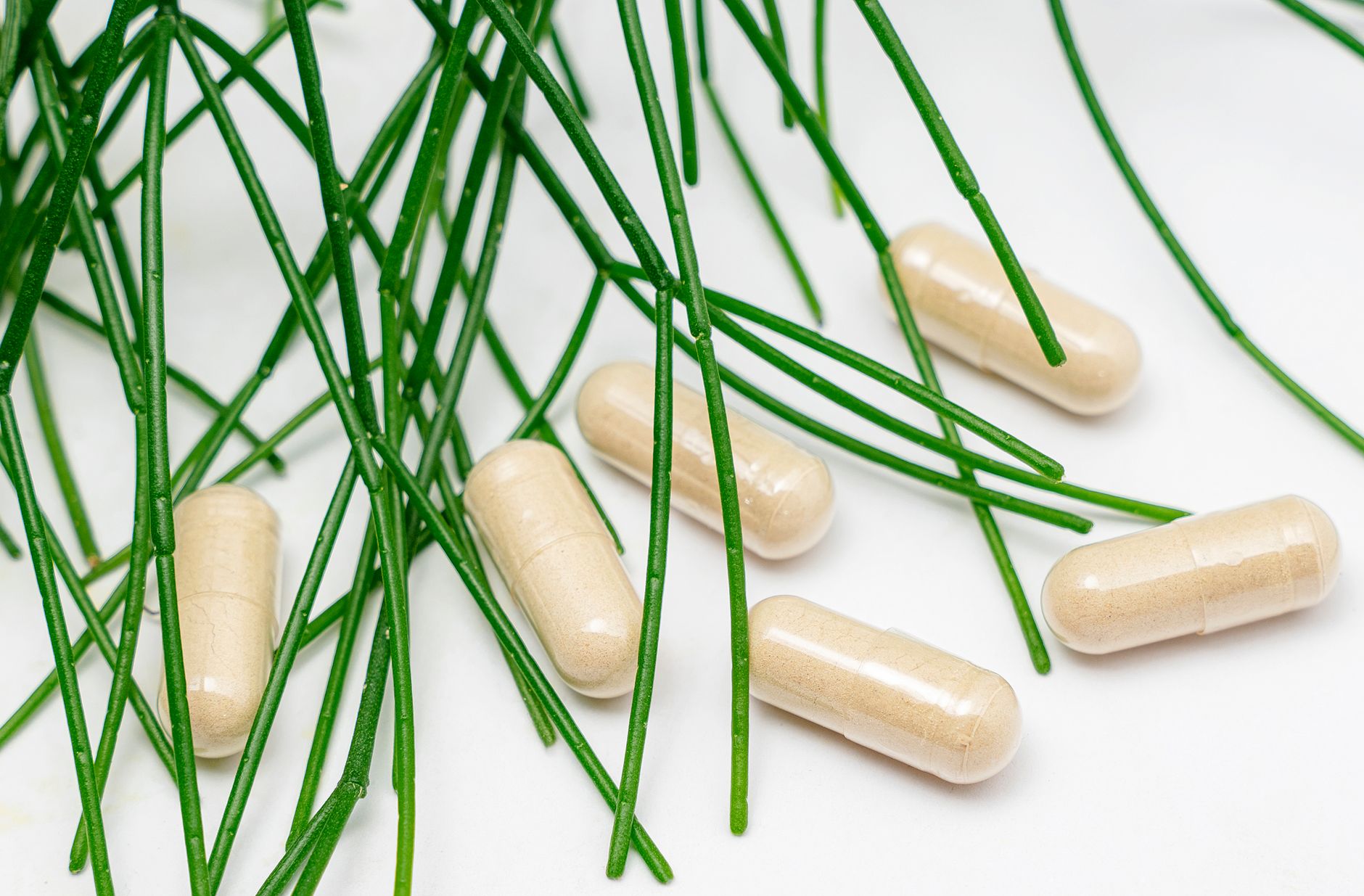

Consumers increasingly check ingredient labels before adding wellness products to their basket, and many now recognise the names of specific plants and roots printed there. Herbal preparations have featured across various cultures for generations, and their underlying principles still influence how modern products are formulated.
Manufacturers have refined the techniques used to draw compounds from raw plant material, and this refinement has produced a wide range of extracts used across supplements, skincare and food products. Plant-based extracts, in this sense, describe concentrated preparations derived from botanical sources, and they underpin many items stocked on wellness shelves across the UK.
How Plant-Based Extracts Are Made
Extraction describes the process of separating specific compounds from plant material, and manufacturers rely on several established techniques to achieve this outcome. Each method affects the concentration, purity and shelf life of the finished extract, and a supplier selects a technique based on the plant source and the intended end product.
The methods below are among those established within the wellness sector, and each suits a different type of raw material.
Cold-Pressed Extraction
Cold-pressed extraction applies mechanical pressure to release oils and compounds without introducing heat, and this method suits delicate plant material such as seeds and citrus peel. Manufacturers favour this approach when the aim is to preserve the natural composition of the source material, and the resulting extract retains much of its original character.
CO2 Extraction
CO2 extraction uses pressurised carbon dioxide to draw compounds from plant matter, and the process avoids solvent residue within the finished product. This method has become common across botanical supplement manufacturing, as it allows for precise control over strength and consistency.
Powdered Extraction
Powdered extraction converts liquid extracts into a dry, stable powder through dehydration, extending storage life while simplifying dosing for manufacturers. Powdered turmeric, powdered beetroot and powdered ginseng are among the extracts produced using similar drying techniques, and each retains a portion of the original plant compound once processed.
Plant Extracts Featured in Wellness Products
Wellness brands draw on numerous plant sources when formulating their ranges, and each extract carries its own history of traditional or contemporary use. Shoppers browsing supplement aisles or online stores encounter several of these extracts regularly, and the list below outlines established options available across the UK market.
Turmeric Extract
Turmeric extract originates from the turmeric root and is commonly found in capsules, powders and topical formulations across UK retailers. The root has featured within South Asian cooking and traditional practices for centuries, and its extract is now produced using cold-pressed or CO2 methods depending on the manufacturer. Shoppers often find turmeric extract listed alongside black pepper extract, as the two are frequently paired within finished products.
Ashwagandha Extract
Ashwagandha extract is derived from the root of the ashwagandha plant and appears in powders, capsules and blended tonics sold within the wellness sector. The plant originates across India and parts of the Middle East, and its root has featured within Ayurvedic tradition for generations.
Green Tea Extract
Green tea extract is produced from dried tea leaves and features in capsules, powders and a range of drink formulations available across UK shelves. Tea leaves used for this extract are harvested young and processed quickly to preserve their natural compounds before drying.
Valerian Root Extract
Valerian root extract comes from the valerian plant and is typically sold as a capsule or tincture within herbal supplement ranges. The plant grows across parts of Europe and Asia, and its root has appeared within herbal preparations for several generations. Suppliers usually dry the root before extracting its compounds through standard solvent or water-based methods.
CBD Extract
CBD extract is drawn from the hemp plant and is formulated into oils, capsules and powdered CBD blends for those who prefer measured servings. Products containing CBD extract fall under UK regulation, and details on current requirements appear within the CBD licensing factsheet published by the government. Shoppers exploring this category can browse CBD products alongside other botanical extracts available through UK retailers.
Milk Thistle Extract
Milk thistle extract is sourced from milk thistle seeds and commonly appears as a capsule across herbal supplement ranges sold in the UK. The plant grows widely across Europe and has featured within herbal traditions for centuries, particularly across Mediterranean regions.
Why Interest in Plant Extracts Continues to Grow
UK sales data for herbal and botanical supplements has shown steady growth over recent years, and this pattern reflects wider consumer interest in ingredient transparency. Shoppers increasingly research the origin of ingredients before purchasing, and brands have responded by publishing more information about sourcing and extraction methods.
Retailers have also expanded their botanical ranges, and independent producers now sit alongside larger manufacturers within UK wellness aisles. Online marketplaces have made it easier for smaller producers to reach customers directly, and this accessibility has broadened the range of extracts available to shoppers across the country.
Regulatory bodies continue to monitor how botanical extracts are labelled and sold, and manufacturers must meet specific standards before products reach UK shelves. This oversight applies across the botanical supplement sector, and it shapes how extracts are marketed and packaged for retail sale.
Plant Extracts Continue Finding New Roles Across UK Wellness Shelves
Botanical ingredients have moved from traditional remedies into organised product ranges sold across pharmacies, health stores and online platforms. Extraction techniques have advanced alongside this change, and manufacturers now offer more consistent and traceable products than earlier generations of herbal preparations.
Shoppers exploring these ranges can expect continued variety, as producers refine sourcing methods and introduce new options suited to different lifestyles. Plant-based extracts, across their many types, remain a fixture within UK wellness culture, and their presence on shelves reflects an established preference among today’s consumers for natural ingredient sourcing.