


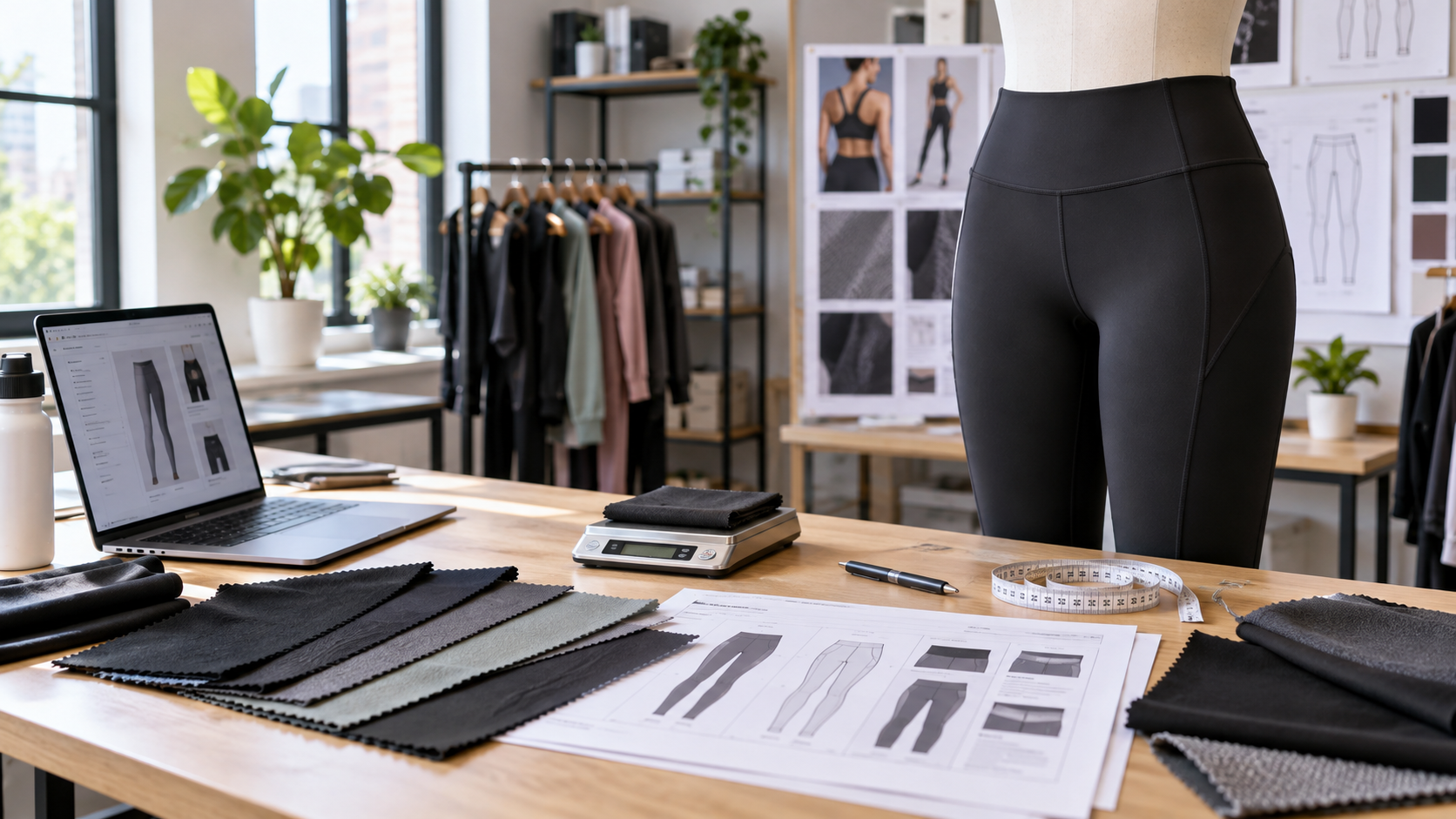

Watch brand launches for a month and a pattern shows up fast. A skincare label rolls out leggings. A coffee company drops a line of joggers. A creator with an engaged audience announces a performance tee. Activewear has become the default second act for consumer brands, and the logic is easy to follow: the audience already exists, the margins look inviting, and apparel feels more approachable than launching, say, an electronic device. The appeal is real. What gets underestimated is that activewear is one of the least forgiving categories in all of consumer products to actually make well.
Why Activewear Became the Obvious Next Line
The pull isn’t irrational. It’s a market measured in the hundreds of billions of dollars globally and still growing, and a few forces push brands in the same direction.
- Audience overlap. A wellness, beauty, or lifestyle brand already speaks to people who buy workout clothes, so the extension feels like a short step rather than a new business.
- Perceived margin. A pair of leggings that costs a modest amount to produce can retail for several times that, and the headline math looks better than a lot of the brand’s core catalog.
- A proven playbook. Direct-to-consumer apparel has a well-worn launch model, from drop culture to influencer seeding, and brands assume they can run the same plays they already know.
Put together, activewear reads as low risk and high upside. The announcement is easy, but in many cases, the garment is not.
The Part the Launch Announcement Skips
Basic apparel forgives a lot. A cotton tee that’s slightly off still wears fine. Activewear doesn’t extend that grace, because in performance apparel the fabric is the product. Compression, moisture management, four-way stretch, opacity when the fabric is pulled tight, and recovery after a wash cycle all live in the material and its construction, not in the print on the front. Get the fabric weight or blend wrong and the product fails at the exact moment the customer is testing it, in a workout, under strain, in front of a mirror.
That’s why building an activewear line is a materials and engineering exercise before it’s a design one. Specifying the right performance fabric, sourcing it reliably, and matching it to a factory that can sew stretch textiles to spec is where the work concentrates. This is the point in the project where partnering with a factory set up for activewear manufacturing stops being optional, because a general apparel shop that quotes the job cheaply often can’t hold the tolerances the category demands.
Where Brands Get Caught
The failures tend to rhyme. Most trace back to treating activewear like ordinary clothing.
Brands commit to a fabric before testing how it performs after real wear and repeated washing, then discover the leggings go sheer or lose their shape once customers have them. Others underestimate minimums, since performance fabrics often carry higher order commitments than a basic knit, so the “small test run” turns into a much larger cash outlay than planned. Fit is its own trap, because a stretch garment has to work across a range of bodies, and a fit that flatters one size can fail two sizes up or down. And the compliance layer keeps growing, with tightening rules on chemical treatments like PFAS reshaping what a factory is even allowed to apply to a fabric.

None of these are exotic problems. They’re the standard ways a category that looks simple from the outside collects a toll from newcomers.
What Getting It Right Actually Requires
Treat the line as a manufacturing project with a marketing plan attached, not the other way around. A few habits separate the brands that ship a good product from the ones that quietly pull the line a year later.
Start with the fabric and prove it. Specify the weight, blend, and performance targets up front, then wear-test and wash-test samples before you commit to a run. Match the factory to the construction, so a shop with a real track record in performance textiles handles performance textiles. Plan the minimums and the margin around the true landed cost, including the higher fabric commitments the category carries. And build the compliance work into the schedule rather than discovering it at the border.
The Honest Version of the Opportunity
Activewear is a genuine opportunity, and the brands that respect the category do build durable lines out of it. The mistake is assuming the audience and the margin carry the product on their own. They don’t. The garment has to survive contact with a real customer doing something strenuous, and that outcome is decided in the fabric and the factory long before it reaches the marketing calendar. Brands that start there tend to earn the second act they announced. The ones that start with the announcement tend to learn the category the expensive way.