Home Blog Page 9

The small Gedling borough village ‘desperate’ for a doctors’ surgery and more shops

Residents say they are ‘desperate’ for more community facilities in their village after approval was given to expand it by nearly 100 homes.

Bestwood Village has been expanding in recent years, and 101 homes have already been built in the area following the site’s allocation for housing under a council plan.

Now, a further 93 properties are set to be built on land east of Westhouse Farm in Moor Road by developer Langridge Homes after Gedling Borough Council approved the plans in March.

Hawthorne Primary and Nursery School sit to the west of the site, where access to the future development would come from Moor Road and pass through the existing new-build estate by the school.

Concerns have been raised that, while the village itself is continuing to grow, community infrastructure, such as a pub, doctors’ surgery, dentist and shops are lacking. It currently has only one convenience store.

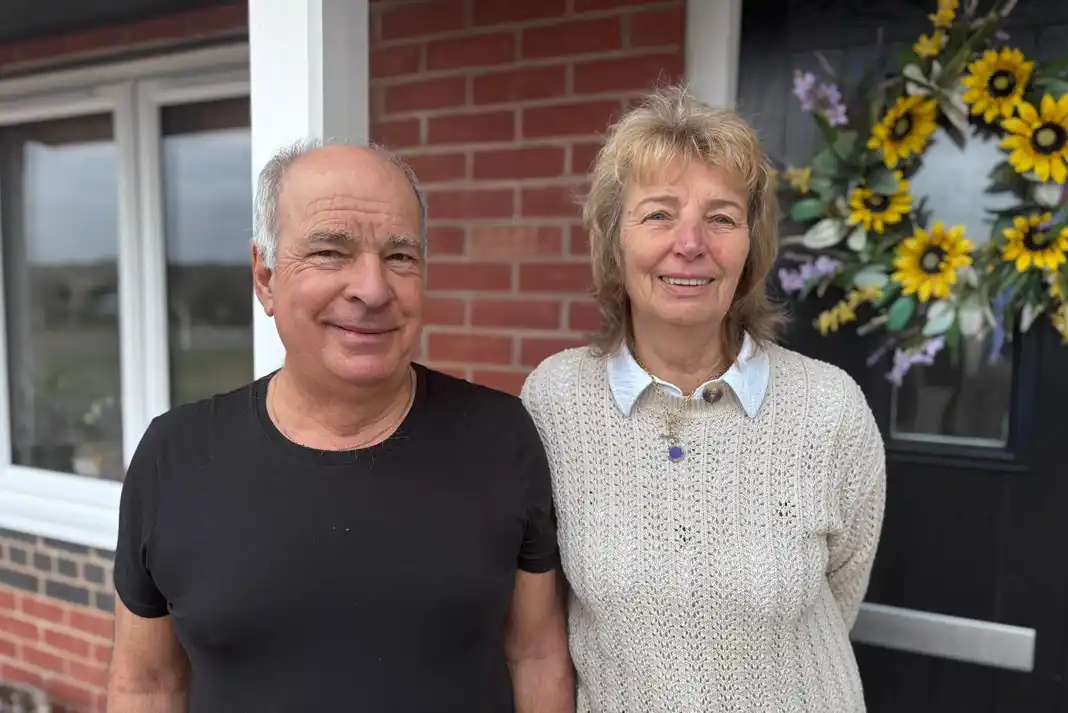
Mick David, 73, and Gaynor David, 70, who live nearby to where the new homes will be built, moved there about three and a half years ago after living in France for 20 years.

Speaking to the local democracy reporting service (LDRS), Mr David said the village was ‘desperate’ for infrastructure.

He said: “It’s criminal. You’ve got to wait for weeks to see a GP or a nurse.”

Speaking about the increasing number of homes being built in the village, he said: “Normally in those expanses of homes you have to have a shop, a doctors’ surgery, a pharmacy, a health centre.

“Yes, they’ve built a new school, but with the new houses that won’t be big enough.”

Mrs David added: “We lived in very rural France. Our village had around 2,500 people and we had four bakeries, three butchers, a doctors’ surgery that would stay open until 7pm on a Saturday night.”

Others are concerned for the area’s growing traffic, where Moor Road acts as the village’s main access point.

A 79-year-old woman, who has lived in Bestwood Village for 34 years, said she was worried she will get “cut off again” if any emergencies happen in the future, such as existing flooding problems.

She said: “We’ve only got one road in and out of the village. If something happens one side, everything closes.

“There’s the school now, and now we’re going to have nearly 100 more homes and that’s probably 200 more cars so there could be more accidents – we’re going to get cut off again.

“We’re elderly. If you need a ambulance and it floods again [near Moor Bridge Tram Stop] nobody could get in and out.”

The woman, who said large vehicles already used Moor Road, often travelling down from the Papplewick direction, added: “How can you have a town with one road?”

John Taylor, 79, who has lived in the village for 30 years, said he was “ready to leave” with the changes happening around him.

He said: “I used to have my grandson come, he used to watch the birds settle on the field [behind my garden] – we get none of that now.”

Mr Taylor can now see existing new-build homes from his garden, adding: “We’ve lost a lot – I’m ready to leave. I’ve lost all that view. My parents lived here and I bought the house and I thought it was a smashing village.

“I think it’s a shame because it’s been a village for years and years… first thing in the morning it takes me five minutes to get out of my road.”

One resident, who asked not to be named and has lived nearby for 25 years, gave the LDRS a different view, saying they “welcomed change”.

They said: “I think the village needs to grow. I think people are stuck in their ways – but the amenities need to catch up.

“We’re around five miles out of Nottingham – so you want to live in an old coal mining community still?

“The new houses are gorgeous and the neighbours moving in there are professional. I think it brings in different people, different perspectives, different cultures and it makes it more vibrant.”

Langridge Homes has pledged a significant amount of money for local community improvements in what’s known as a Section 106 contribution.

In total, £777,850 will go toward education provision, £3,278 to be used by Nottinghamshire County Council as a contribution towards enhancing library provision at Arnold Library, a primary healthcare contribution of £50,394.37 and £41,400 for bus stop improvements.

There will also be an open space contribution – in the absence of a play area – of £261,607.20, and a maintenance contribution of £119,320.

In addition, a contribution of £31,400 is sought to maintain an identified local play area.

Of the properties, 28 are planned to be made affordable, including 20 for social rent and eight shared ownership properties.

David Fletcher, managing director at Langridge Homes, said: “We’re happy the planning has finally gone through.

“As a regional developer we’d like to see the Section 106 money go to the local area, but that’s out of our remit.”

Woodborough residents “delighted” as up to £500,000 awarded to repair damaged roads

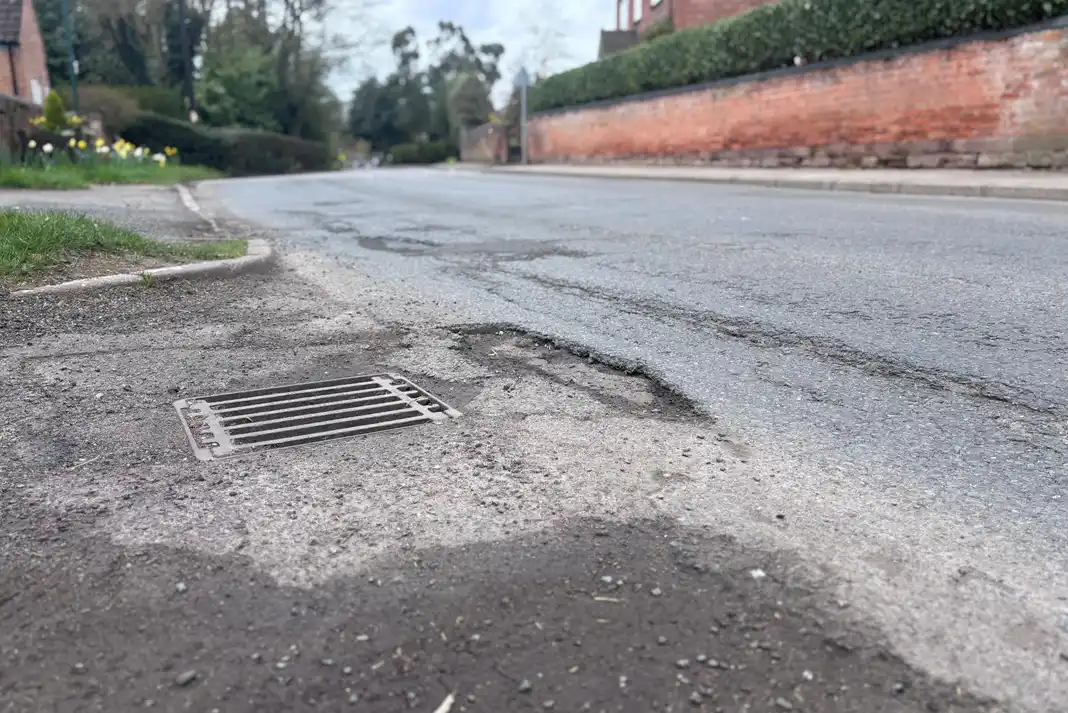
Residents in Woodborough say they are “delighted” as up to £500,000 will be spent fixing and tidying its damaged roads.

Back in March, the Reform-led Nottinghamshire County Council announced it would be embarking on a “record-breaking” £122.5 million project to fix the county’s highway network in the 2026/27 financial year.

The authority has come up with a six-point plan to tackle Nottinghamshire’s strained and crumbling roads, focusing on prevention, permanent first-time repairs, stronger materials, better value from crews and equipment, extra winter crews and lobbying for more long-term Government funding.

One scheme in the project – that is receiving a significant pot of money – is in the small Gedling village of Woodborough, near Calverton.

Council plans state that between £400,000 and £500,000 is being put aside for resurfacing and structural patching works on the village’s busiest roads.

Works will take place from the Bank Hill junction to the 50 miles-per-hour limit on Foxwood Lane towards Calverton. But documents do not currently specify the nature of the works set to be carried out on that route.

The highways team will also be resurfacing from Foxwood Lane up to near 42 Bank Hill and completing structural patching on Main Street from the Bank Hill junction to White’s Croft.

Juliette Smith, 58, has lived in the village for around two years. She told the Local Democracy Reporting Service (LDRS): “I’m happy for it to happen, this place can flood, so it will have some sort of bearing.

“The roads haven’t been great, they’re getting worse and [the damage] is even creeping up to my driveway.

“Bank Hill is quite bad. It’s downhill, and people will go down there at speed, and there are lots of twists and turns in country lanes.

“If there are potholes, it’s dangerous. It’s the main road in and out of Woodborough, that’s where people cut through.”

Ms Smith said her main concern is that the authority “do it right first time”.

Eighty-four-year-old Roger Holehouse, who has lived in the village for 59 years, says the county’s roads have been “atrocious” and Foxwood Lane is the worst in the village.

He said: “My house is rated a H in council tax banding, so my rates are over £5,000 a year – I don’t get my money’s worth. I want my £5,000 on the roads or on the bins.

“Foxwood Lane and Bank Hill is the main route with traffic from Calverton, they don’t come through the village.

“In recent times, they’ve built a lot of houses in Lambley and Burton Joyce. There’s a lot more traffic in from new houses, so it wears the roads out. Bank Hill takes all that traffic from the new houses being built in Calverton.”

Simon and Julie Pomeroy, who moved to the area in late 2024, said they were “delighted” at the news of the upcoming roadworks.

They said: “The two main roads that need it are the ones they’re doing. Foxwood Lane desperately needs to be done.

“It’s aggravated a bit by the flooding we get – it’s been much better this year, but the damage has already been done. The pavements desperately need doing as well.”

A September 2025 survey found about 38 per cent of Nottinghamshire’s roads are in ‘poor condition’, along with more than half of all road markings being in ‘poor’ or ‘very poor’ condition. The multi-million-pound investment will resurface and patch about 16 per cent of roads.

About 45 per cent of the £122.5 million money pot has come from the East Midlands Combined County Authority (EMCCA), with the other 55 per cent provided by the council, through money raised in council tax and secured grants from other funders.

Other roads in the borough are set for hundreds of thousands of pounds worth of works, which are listed below:

  • Between £300,000 to £400,000 will be spent on Arnold Lane on resurfacing works from the mini roundabout at the Main Road junction to Besecar Avenue.
  • For Howbeck Road in Arnold, between £250,000 to £300,000 will go towards resurfacing from the surface joint near Coppice Road to Hamilton Close.
  • In Carlton, £300,000 to £400,000 will be spent on resurfacing Prospect Road, stretching from Valley Road to Standhill Road.

The evolution of casino gaming in Nottingham

Medieval Gaming Traditions

Long before the times of the online jackpot were introduced, people living in and around Nottingham would gather in its markets and inns to play simple games with friends or fellow travellers. Town fairs were a regular feature of life in medieval England and provided space for music, food, and various pastimes that included informal games. These early activities were not regulated in the way modern laws work, but they were woven into everyday social life, much like similar practices across other parts of the country at that time.

Folklore and Fairs

Stories about Nottingham’s past are often shaped by local legend, especially when it comes to how people spent their free time. Seasonal fairs and public gatherings offered residents a break from work and drew crowds into the town for food, music, and spectacle. The name of Robin Hood still hangs over the city’s history, even though historians debate how much of the tale is rooted in fact. In the noise and movement of inns and market squares, small games were simply part of the scene, played alongside trading, storytelling, and travelling performances.

Changing Laws

National laws passed by the UK Parliament have gradually shaped how activities linked to games are managed. One of the earlier changes came with the Betting and Gaming Act of 1960, which made different forms of betting and gaming lawful in licensed settings for the first time under post-war law reform. This shift was part of a broader move to bring different types of play out of informal or private spaces and into settings that were recognised and overseen by authorities. Later acts, including reforms in 2005 and 2014, updated the framework further to accommodate new forms of play and advertising across the country.

20th Century Expansion

During the twentieth century, licensed betting shops and bingo halls became part of everyday leisure in towns and cities across Britain. Licences issued by local magistrates under national legislation meant that people could visit recognised premises for various games within set rules and standards. This period saw a standardisation of how premises were run and what activities they could offer, ensuring a level of oversight that had not existed previously. These licensed venues were distinct from the unregulated street activity of earlier times and formed a recognisable part of the urban landscape.

Arrival of The Modern Casino

In contemporary Nottingham, venues with formal licences have existed alongside other licensed premises for decades. One of the best-known operators in the city is Grosvenor Casinos, a national company that has run a venue in Nottingham for many years. The brand was established in 1970 and has since grown to include sites in towns and cities across the country. Its premises provide table gaming and related facilities, all of which fall under the supervision of the UK Gambling Commission, the body responsible for regulating commercial gaming throughout Great Britain. There are also other card rooms and gaming clubs that have opened in Nottingham in the 2000s, adding to the variety of licensed leisure spaces available in the city.

Digital Transformation

Across the UK, technological change has made digital platforms more accessible and shaped how people engage with different forms of games and leisure. Changes to the law in the past decade altered how online services are regulated in Britain. The Gambling (Licensing and Advertising) Act 2014 introduced a point of consumption system, which means that companies based overseas must hold a UK licence if they offer services to customers in this country. The aim was to bring remote operators under the same regulatory structure as those with premises on British high streets, recognising that many people now access digital platforms through phones, tablets, and home computers rather than visiting physical venues.

Economic Contributions

In Nottingham, decisions about licences sit with Nottingham City Council. In 2006, the council put forward a proposition that looked into casino licensing to ensure player safety and legality. Venues that were already licensed before the rule change could remain open; however, new casinos must apply and promise to comply with the legal framework before they are granted permission to open. Licensing authorities balance a range of considerations when they assess applications, including social and economic factors, to make sure that premises meet the standards expected in a city like Nottingham.

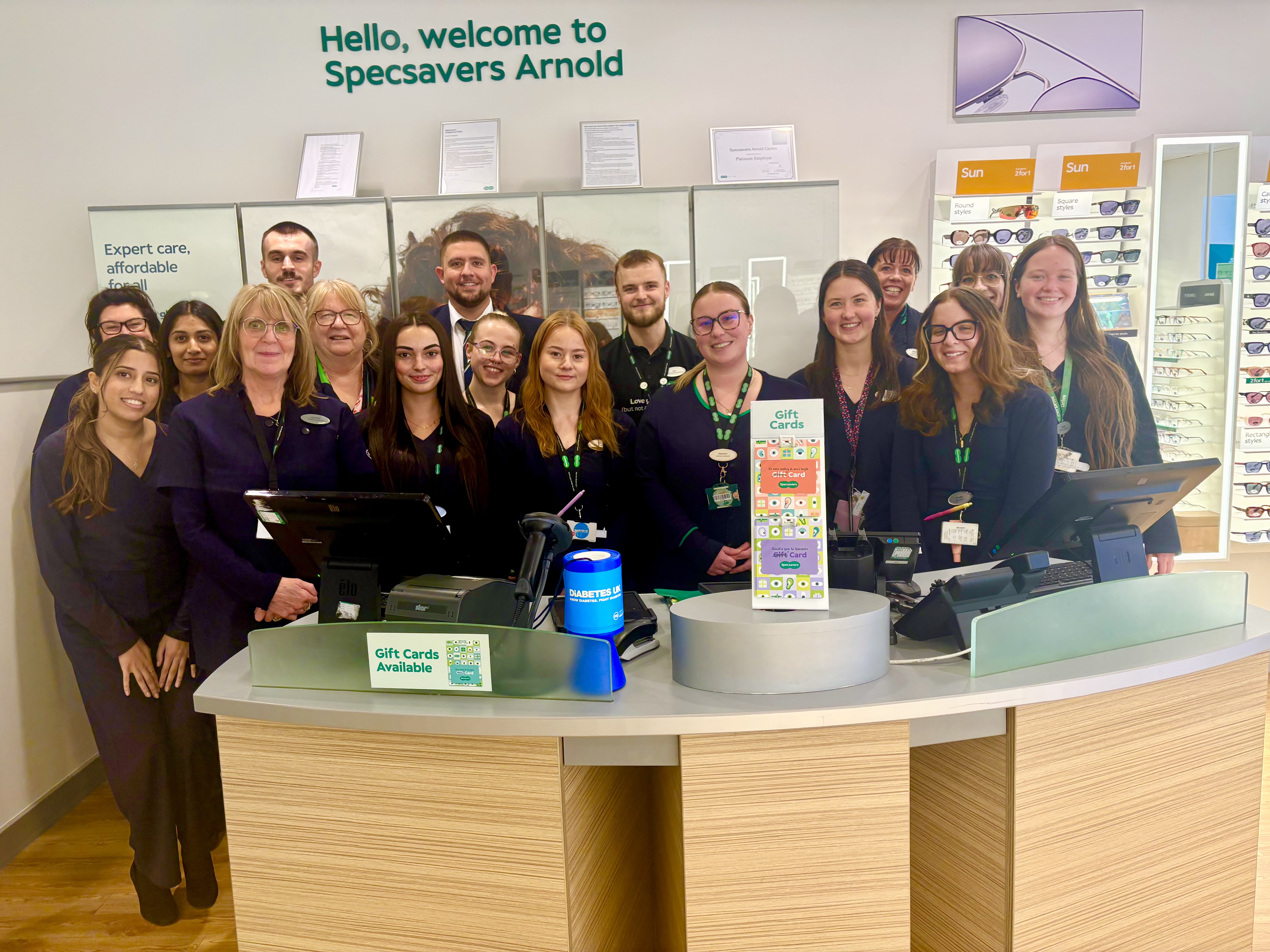
Industry award nod for top team at Arnold opticians

One team based at an Arnold opticians is celebrating after being shortlisted for a top industry award.

Specsavers on Front Street, which is locally owned and run, has reached the final stages in the Awards for Excellence’s Dispensing category. The annual awards recognise the achievements and professionalism across all UK and Ireland Specsavers stores.

The dispensing team at Specsavers Arnold, which has many years of collective experience, combines extensive product knowledge and clinical expertise with a passion for personalised customer care. From helping people find the best glasses for their needs and their lifestyle through to carrying out repairs and adjustments when required, the team is committed to delivering excellent service at every stage of the customer journey.

“We’re delighted to have made the top three in the Dispensing category,” Vineet Nehra, optometrist and director at Specsavers Arnold, said.

“As a team, we’re always striving to be the best we possibly can be, and being recognised by the wider business for this prestigious award reflects the amazing job the team does every day.

“It’s a testament to the dispensing team and their skill, hard work and ongoing dedication to excellence. We’re looking forward to the awards ceremony taking place at the ICC in Birmingham at the end of the month, and hopefully we’ll be celebrating on the night!”

The Burton Joyce junction where residents have to leave their homes in wellies

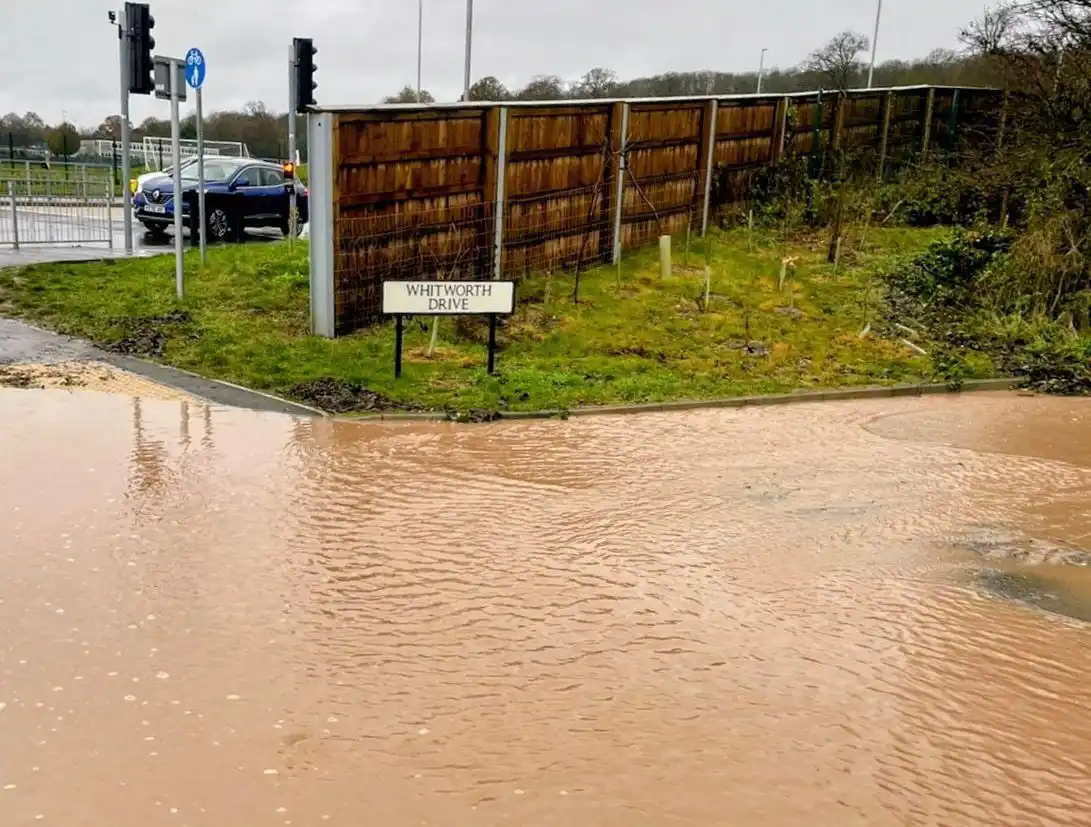
Burton Joyce residents claim they have to wear wellies to leave their homes during torrential downpours because drains “just can’t cope”.

The corner of Whitworth Drive, which links to the original Nottingham Road in the village, is routinely left submerged in water after heavy rain.

Rainwater from a nearby field travels down a ditch along Whitworth Drive, then enters a culvert under the road, where it is released elsewhere.

However, residents living nearby say the drain system “just can’t cope” in extreme weather, and more maintenance is needed on the regularly blocked ditch grates and water pipes.

One couple, who have lived near the culvert for 15 years, say the drain at the end of the their driveway is like a “letterbox” and regularly gets blocked with debris when the corner floods.

One half of the couple, a woman, told the Local Democracy Reporting Service (LDRS): “We have floods at the bottom of our driveways to such an extent the only way we can actually leave is either wearing high wellingtons, or in the car – you can’t walk in normal shoes.

“The water coming down is already bringing twigs and debris so it soon blocks it. It just doesn’t work.”

The resident said the flooding happens “more than once a year”, continuing: “The way the climate’s going at the moment, we’ve had much more heavy rainfall this year than ever before, so it’s going to get worse.”

Her partner said two to three inches of mud is left behind once the water clears, and Nottinghamshire County Council has to clear the street with a tractor and road sweepers.

He added: “When it’s steady rain, I think it’s alright, but when you have a sudden downpour, it just can’t cope, it breaches that culvert.”

“That grate [at the bottom of the culvert], the water just bursts over the side, so whether they could raise the banks up? When it gets into the pipe, it’s just not a sufficient diameter to cope with the volume.”

Jillian Archer, 69, who has lived at the flooding hotspot for 22 years, told the LDRS her husband decided to raise the entrance of their driveway to stop the water that was coming “seven feet up the drive”.

She believes more regular maintenance is needed on the culvert.

Ms Archer said: “The water’s got to obviously come down off the field, so if they put some more barriers or a drain barrier somewhere further up to try and stop it.

“We’re pre-fortified against it with the driveway being slightly higher. If it comes down we’re out with brushes when it subsides to wash the mud away… we try keep our own spots clear, but there’s not really much else we can do.”

A section of land in between the junction and the Colwick Loop Road serves as a bund – a mound of earth used to control water flow – where residents say the ground underneath is filled with cages and stone dozens of feet deep to help collect and filter rainwater.

Ms Archer said: “If it did, if that functioned as it’s supposed to do, any water coming down from that culvert would go straight into that.

“When that gets to capacity it filters it straight off into the dyke across the road which then filters down towards the River Trent.”

A 466-signature strong petition was given to Nottinghamshire County Council in September 2025 by Conservative Councillor, Mike Adams, calling for improved drainage at the junction.

The authority gave its response in March, where a document stated it was aware of the “historic” flooding problems there, continuing: “Following Storms Babet and Henk, works were carried out to clear vegetation, de-silt the watercourse, and install leaky dams to help trap debris
upstream.

“The grill is now inspected monthly, as well as before and after storm events triggered by severe weather warnings. The grill is cleared as needed during inspections.”

The council says it will be carrying out a survey on the culvert system underneath the road where if it’s found to be working properly, the problems may “stem from water unlawfully flowing” onto the roads from higher up land.

Speaking to the LDRS, Cllr Mike Adams said: “When kids are walking to school then end up walking on the road to navigate themselves through the water.”

“So much water comes down. It’s not just a drizzle, it’s a torrent… It spills into the A612 where if you’re driving inland towards Burton Joyce the whole left lane gets covered in water.

Cllr Adams hopes the pipe carrying the water under the road gets expanded in future or that more drains are put along that section of Nottingham Road.

The LDRS asked the County Council for an update on its survey works. No response was given by the time of publication.

Major new recycling rules affecting all borough homes now in force

The UK government’s Simpler Recycling scheme is now officially in force across Gedling borough.

Residents can now recycle more of their everyday household items from home.

Households can now place a wider range of materials into their green recycling bins, including:

  • Tetra Pak items such as drink cartons.
  • Plastic bottles, pots, ice cream tubs, fruit punnet trays and toothpaste tubes.
  • Aluminium foil (scrunched into a ball) and metal food trays.
  • Aluminium tubes, e.g. tomato purée tubes.

Householders are asked to ensure that all items are empty and clean, with lids put back on where possible, and placed loose in the bin – not inside plastic bags. This helps ensure materials can be properly sorted and recycled.

Glass will continue to be collected in the glass collection boxes as normal.

Councillor Marje Paling, Portfolio Holder for Environmental Services, said:

“These new changes are all about making it simpler and more convenient to recycle from home.

“Most of us use items like foil, cartons and toothpaste tubes every day, so being able to pop them straight into your recycling bin is a big step forward.

By making small changes together, we can reduce waste, protect our environment and keep Gedling a cleaner, greener place to live.”

As part of Simpler Recycling, councils are also required to collect food waste for households, however this is not due to start across Nottinghamshire until October 2027. 

A small trial of food waste collections will take place later this year in some areas of the borough. More information about this will be made available from the council nearer the time. 

For more information about the changes and a list of what can and can’t be recycled, visit www.gedling.gov.uk/recycling.

Streaming Takes Centre Stage: The Future of Content Consumption

With on-demand access to an enormous collection of material, streaming services have become the pillar of entertainment.

By 2025, streaming will surpass just passive watching experiences. Real-time polls or adaptable narratives are among the interactive components that probably will become standard.

This change lets viewers relate to the material they consume more actively. As content becomes more collaborative, remote guest streaming methods are also shaping how creators bring in voices from different locations, adding depth and variety to live and recorded content.

This approach not only broadens perspectives but also reflects the growing demand for more dynamic and socially connected viewing experiences. Focusing on certain genres or groups, niche platforms—which provide highly customized experiences for audiences—are increasingly becoming popular.

Furthermore, artificial intelligence is helping to improve suggestions so that viewers constantly find something suited for their taste. These developments point to a day when streaming will be about creating a customized trip rather than being about material.

Three children and baby hubs will open in Gedling borough in a bid to make family life easier

Families across Gedling struggling with the cost of living can save money on services including free stay and play sessions for babies and young children, as a number of new Best Start Family Hubs open in the borough, building on the legacy of Sure Start. 

Parents will be able to access help with infant feeding, parenting advice and early support for children with SEND, in one place, reducing the need to pay for private classes or specialist support. 

On top of savings of up to £200 a year through free stay and play sessions, many hubs will also provide access to debt advice and welfare guidance, which could help families access support they may otherwise miss and improve their financial position.

The following three family hubs are to be set up in the borough:

  • Netherfield Family Hub, Netherfield, Gedling
  • Killisick Family Hub, Coppice, Gedling
  • Arnbrook Family Hub, Daybrook, Gedling

The programme builds on the legacy of Sure Start, while updating family services for the modern world – combining face-to-face and digital support, strong partnerships with early years settings, and better use of existing community partners and spaces.

Education Secretary Bridget Phillipson said: “Children growing up in our country deserve the best start in life, but for too long, too many families have been navigating the pressures of parenthood without the support they need.

“Best Start Family Hubs will revitalise family services – bringing together health, parenting support and practical advice in one place, free and close to home, so that parents can get the help they need, when they need it. 

“I’ve seen the difference Sure Start made in my community, and why it’s so important that we bring that support back today, reimagined for a new generation of families.

“Whether it’s advice on child development, help with additional needs, or simply a friendly face in the community, this government is putting the support so many families used to rely on, back into each and every community.”

Every Best Start Family Hub will include dedicated outreach workers to reach families, alongside a practitioner to help identify additional needs early – particularly those who might otherwise fall through the cracks – helping them access the right support sooner without being passed between services. 

Alongside this, Healthy Babies support will be delivered through Best Start Family Hubs – bringing together health and early support such as midwifery, health visiting, infant feeding and perinatal mental health support. 

Fears Bestwood Village will become a town as almost 100 homes on open countryside approved

A developer has promised hundreds of thousands of pounds in improvements to a village in Nottinghamshire after concerns were raised over its plans for almost 100 homes.

Gedling Borough Council’s planning committee approved a 93-home development on land east of Westhouse Farm, in Moor Road, Bestwood Village, at a meeting on Wednesday (March 25).

They have been tabled by developer Langridge Homes.

To the west of the site is Hawthorne Primary and Nursery School, and 101 homes have already been built in the wider area, following its allocation for housing under a council plan.

“The scheme would provide a wide range of house types from one to five bedroom, the majority of which would be two-storey, along with two bungalows,” planning documents said.

“The majority of properties would be detached or semi-detached, along with a terrace of three two-bed properties.”

Several concerns were raised during the meeting before plans were approved, including a loss of privacy, poor transport links, and the impact on the area’s amenities and facilities.

Cllr Darren Maltby (Con), who represents Bestwood St Albans, raised issue with the potential for flooding, as well as “horrific” traffic, and poor public transport links.

“Bestwood St Albans is increasingly growing, particularly around the village area, we have no pub, no doctors, no dentist, it has got one convenience store,” he said.

“What consideration has been given towards helping getting a few more facilities locally?”

A council planning officer said there was nothing the council could do in terms of the pub, but emphasised there was a significant amount of money pledged for local improvements by the developer; under what’s known as a Section 106 contribution.

He said the development shouldn’t impact the wider flood risk and there has been no objection from the statutory consultees, including the lead flood authority and the Environment Agency.

Eight objections were received by the council, with concerns ranging from Bestwood being turned into a town due to development, and a shortage of frontline health services and other facilities within the village.

A resident of Keepers Close, which borders the site, spoke during the meeting to highlight her concerns over the impact on her street which is comprised mostly of bungalows.

“Most of the residents are elderly, so a five-bedroom detached house at the bottom of the plot is going to constitute a massive invasion of our privacy ”

Councillors imposed an amendment to the plans that requires any windows facing the bungalows on one particular plot, where a five-bedroom house will be built, to be frosted.

The developer’s planned financial contributions were praised.

In total £777,850 will go toward education provision, £3,278 to be used by Nottinghamshire County Council as a contribution towards enhancing library provision at Arnold Library, a primary healthcare contribution of £50,394.37 and £41,400 for bus stop improvements.

There will also be an open space contribution – in the absence of a play area – of £261,607.20, and maintenance contribution of £119,320.00.

In addition, a contribution of £31,400 is sought for the maintenance of the identified local play area.

Of the properties, 28 are planned to be made affordable, including 20 for social rent and eight shared-ownership properties.

Cllr Catherine Pope (Lab) added: “It is actually quite refreshing somebody is coming along and they are actually going to give all of the allocations for a change, and the right amount of social affordable housing.

“That is to be commended.”

Major step forward for £20m Pride in Place community-led investment in Carlton area

Another major step has been taken on plans for £20m community-led investment in Carlton and the surrounding area over the next 10 years.

The Government has signed off on Carlton’s Pride in Place submission plans for the framework for how it will use the investment, which includes using it as effectively a starting point to attract more investment in the town.

The programme will now move into delivery – marking a significant milestone in a once-in-a-generation plan shaped directly by local people. 

David S Stewart OBE, Chair of the Greater Carlton Neighbourhood Board, said:  “This is a hugely positive moment for Greater Carlton. This programme has been shaped by our communities, and this endorsement means we can now move forward with confidence and purpose.

“We are committed to ensuring residents remain at the heart of delivery, with visible progress that makes a real difference to people’s lives.” 

“The Pride in Place programme is driven by a commitment to putting residents first, ensuring that investment reflects the real needs, ambitions and voices of the community. The plan will deliver targeted improvements across Greater Carlton, supporting safer neighbourhoods, stronger local economies, better health outcomes and increased opportunities for people of all ages. 

Gedling MP Michael Payne said the approval was ‘fantastic news’ for residents and businesses.

“The approval of this plan is a clear vote of confidence in Greater Carlton and its future.

“We’ve listened carefully to what our communities have told us, and this investment will help deliver safer neighbourhoods, more opportunities for young people, stronger local centres and improved wellbeing across the borough.” 

The programme will begin delivering benefits from Year 1, including support for community organisations, improvements to green spaces, investment in sports facilities, and initiatives to strengthen local retail centres and high streets. 

Over time, the programme will expand to include skills development, business support, heritage investment and community-led initiatives, ensuring long-term, sustainable change across the area. 

The plan forms part of a wider 10-year vision to transform Greater Carlton, improving quality of life for more than 53,000 residents who live across the area, and creating a stronger, more resilient local economy. 

The programme represents a £20 million investment over 10 years and replaces the previous Long-Term Plan for Towns (LTPfT) and Plan for Neighbourhoods programmes, which have been reformed and rebranded by Government since 2024.