

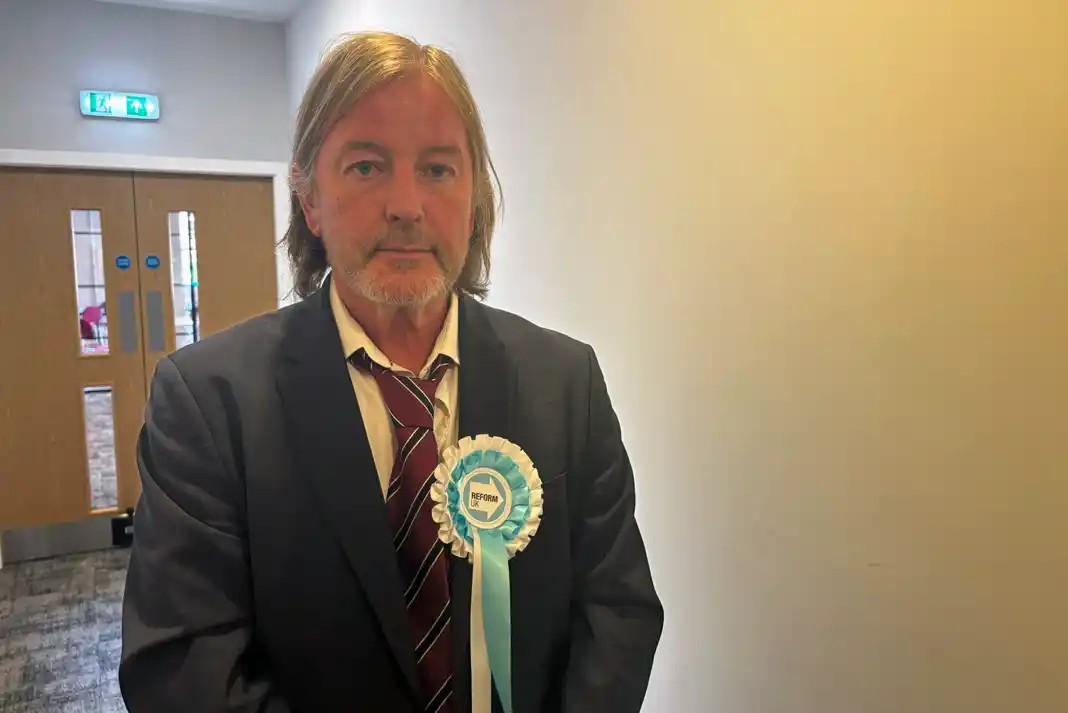

The leader of Nottinghamshire County Council has plans to make council meetings quicker and more “business-like” – but the Reform authority’s deputy was accused of time wasting after spending more than 20 minutes answering questions.
The county council met yesterday (July 10) in its second full council meeting since Reform UK stormed the polls in the May 1 local elections with a 41-seat majority.
There have been talks from the authority’s leader, Councillor Mick Barton (Ref), to streamline council meetings to make them more “business-like”.
County council full council meetings are routinely an all-day affair, starting at 10.30am and having an official cut off of 5.30pm – but constitutional changes could amend this.
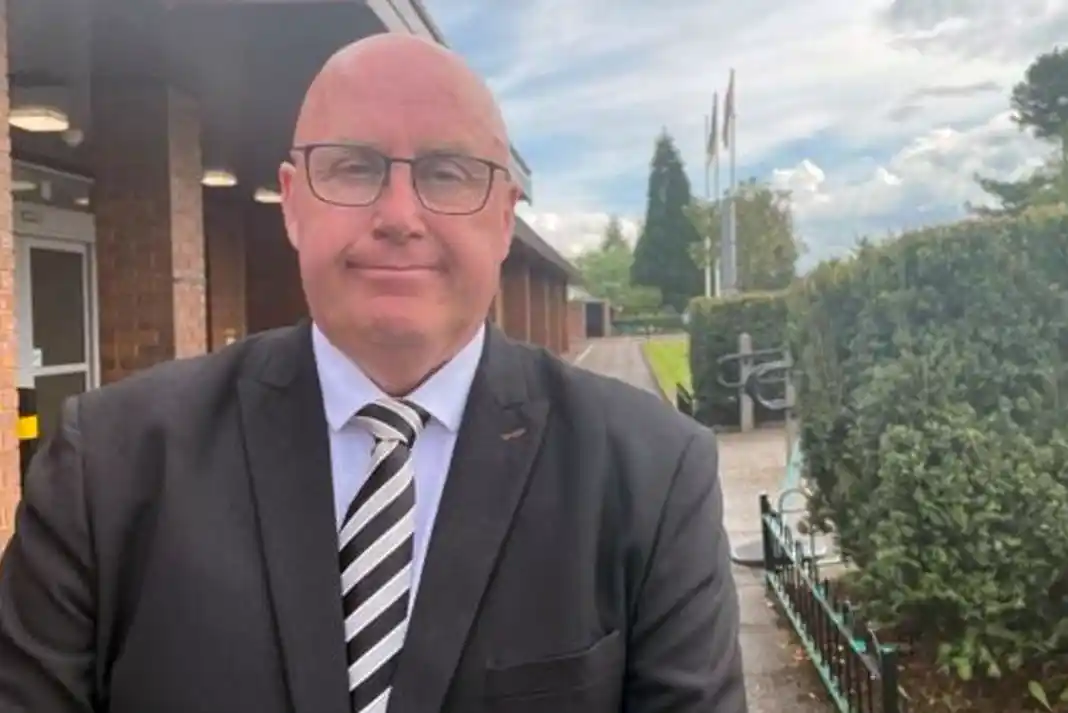
Speaking to the BBC Local Democracy Reporting Service (LDRS), Cllr Barton said: “Constitutionally, we just want to make [meetings] more business-like.
“We don’t want to stop people asking questions and being informed, or questioning cabinet or the leader, we just want to see if we can streamline and make things more efficient… and more understandable for the public.”
When asked how he thinks plans to make meetings quicker is going, the leader replied: “It’s too early to say. This is only my second full council meeting.”
He continued “we’re going to have a constitutional review [for all meetings]” and said constitutional changes to the format of meetings could happen in future “if need be”.
But shortly before this, his deputy, Cllr John Doddy (Ref), spent more than 20 minutes responding to his colleague’s questions about women’s health during the meeting – earning five interjections from opposition members.
Cllr Cathy Mason’s (Ref) asked about challenges faced by Nottinghamshire women and why they live in ill health longer than men and later asked what was being done to mitigate this.

This was question six out of 15 during the meeting and one hour is allocated during full council meetings for questions and answers – any unanswered get a written response.
Cllr John Doddy, deputy leader, and also the chair of the Health and Wellbeing Board, responded: “I can say the answer to that question could last many days… it would be quite difficult to confine it to a short period of time.”
He then described how women’s life expectancy is around 83 years on average compared to 79 years for men – meaning an extra four years of ill health on average – and spoke about socio-economic disadvantages for women and reproductive issues.
After seven minutes of Cllr Doddy speaking, Cllr Penny Gowland (Lab) called a point of order – an interjection highlighting a potential breach of meeting procedures – saying he was not answering the specific question, that he was “filibustering” and accused the deputy of “stopping” later questions being asked.
Filibustering is when a politician speaks for a lengthy amount of time on a topic to purposely obstruct the legislative procedures happening at the time.
Cllr Doddy then proceeded by signalling a drawn-out timeline approach to his answer, speaking about various life stages for women, which was met with laughs from the Reform group.
A further four point of orders were called during Cllr Doddy’s speech-like answer to Cllr Mason’s questions and he was further accused by the opposition of preventing later questions being asked.
When asked about his deputy’s lengthy response to Cllr Mason’s questions, Cllr Barton told the LDRS: “He probably did go on a little bit too long, but [opposition] added [more time] to that by interrupting him.
“It’s a very important subject. [Cllr Doddy] is at the forefront of [those issues], he is chairing the [health] committee – I thought it was very interesting.”
Over one third of the meeting’s questions section was taken up with Cllr Doddy’s response, which could work against the leader’s plans for more efficient meetings.
With opposition members’ concerns over filibustering, this asks whether there were certain topics the Reform group were purposely avoiding speaking on.
It appears the budding Reform authority is still in early stages with some of its efficiency plans, but the leader thinks there could be some changes in the near future.
When asked if there was a preferred timescale for full council meetings in the future, Cllr Barton told the LDRS “it depends what’s on the agenda” and called the 5.30pm meeting end time “ridiculous”.
The leader added a constitutional review would take place over the next three months with potential changes to meeting procedures happening by the autumn.



The cracks are showing already, Reform