


Meet the dogs helping Severn Trent Water sniff out potentially damaging invasive species – including the dreaded Japanese Knotweed.
The clever canines are also helping with conservation by identifying protected species, like the Great Crested Newt.
The dogs are just one part of Severn Trent’s attempts to boost biodiversity, protect borough waterways and create thriving natural habitats in our communities.
The water company this week announced it had smashed a biodiversity target of transforming 5,000ha of land into natural habitats – creating fauna and flora rich sites on 11,000ha so far.
Kay Daily, a biodiversity project manager, outlined the measures Severn Trent was also taking to protect the area from Invasive Non-Native Species (INNS).
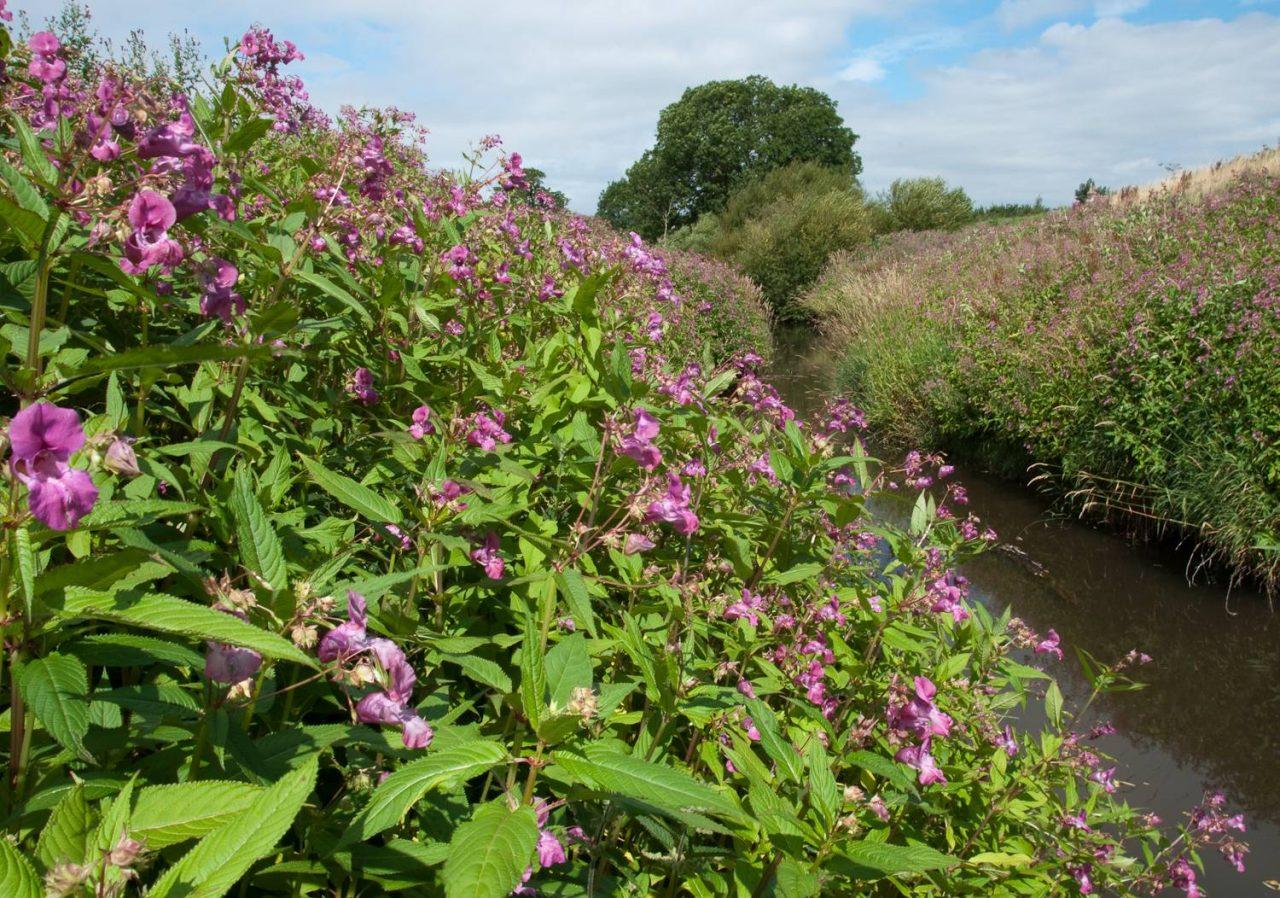
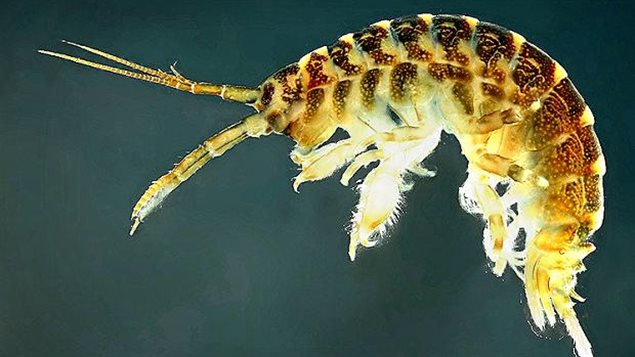
And she shed light on some of the most veracious of UK invaders – with memorable names like Killer Shrimp, Zebra Mussels and Himalayan Balsam.
Mum-of-two Kay said: “Invasive species can have a very damaging impact on our native species and ecosystems.

“Himalayan Balsam for instance was introduced by the Victorians because it looks so pretty when it flowers. But they grow very tall and densely on our river banks, meaning the plants underneath them get less sunlight and die. And when they flower, the seed pods explode sending up to 800 per plant up to seven metres away.
“We tackle this plant by pulling it out by the roots before the plant flowers, to save our riverbanks from erosion – and protect our rivers.”
Severn Trent recently launched a four-year partnership with the Canal and River Trust to tackle invasive plants along 180 miles of Midlands waterways, as part of its Great Big Nature Boost.
Kay said: “Floating pennywort is another invasive species. It can cover the top of canals, keeping out the vital sunlight the plants and fish beneath need, so is potentially very harmful to our waterways.”
Aquatic biodiversity teams at Severn Trent also watch out for the fearsome sounding Killer Shrimp and Zebra Mussels, named after their stripy shell. They would have most likely made their way from their Black Sea origins to the UK decades ago through commercial shipping.
“Whilst excellent at filtering, they can significantly alter ecosystems by filtering out nutrients. The Zebra Mussels can also stick to our assets like pipework and can be difficult to remove,” she said.
“There are more than 2,000 non-native species in the UK and most are harmless. It’s the ten to 15% that are invasive and negatively affect the eco-system, causing the problems, that we need to act on.”
The scent-trained dogs, hired from specialist companies, can help detect the notorious Japanese Knotweed, which spreads very quickly.
“It’s very aggressive when it grows and you only need to leave behind the tiniest bit of root and it will regrow,” said Kay.
“I’ve seen the dogs in action and they are brilliant. They are trained to sniff the roots out before they visibly break ground, which is amazing really.
“Other dogs are trained to identify and protect everything from water voles to Great Crested Newts, which are a protected species.
But there is one foreign-born amphibian Kay has no plans to tackle – a cute-looking Axolotl from Mexico called Xanthie.
“It’s my daughter’s pet, but I end up looking after him most of the time,” she laughed.
“He’s such a fascinating creature because he has lungs and can spend up to an hour out of the water – but you will definitely NOT be seeing Xanthie in the British countryside.”



I have contacted gedling Borough Council on numerous occasions regarding the disabled parking spaces at Burton Rd jubilee Park the signage ie the wheelchair sign on the floor of these spaces has faded away so lazy people are using these spaces causing disabled people to not be able to park and enjoy the park