


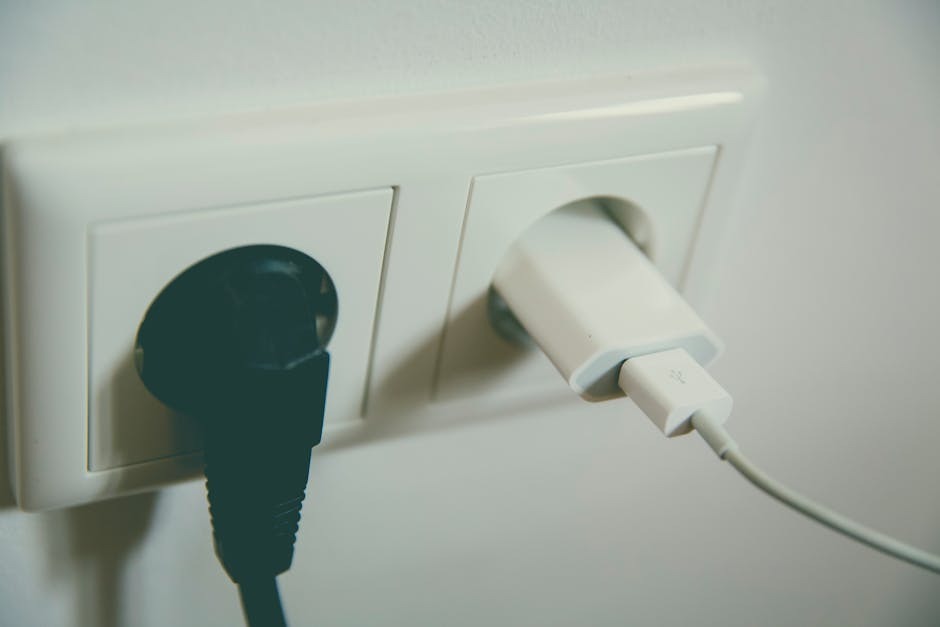

Most house fires do not start with a dramatic accident. They begin quietly, inside the wiring, sockets, and appliances we use without a second thought.
The scale of it surprises people. Research showing that 53.4% of all accidental dwelling fires in England are caused by electrical hazards makes clear how everyday this risk really is. Here is how to keep your home on the safe side of that statistic.
Why Are Electrical Faults a Leading Cause of House Fires?
Because electricity is everywhere in a modern home, and most of it is hidden. We rely on it constantly, yet rarely see the wiring behind the walls.
Familiarity breeds neglect. Sockets, leads, and appliances get used for years without a glance, so faults develop unnoticed until something overheats. The danger builds slowly and silently.
Older homes raise the stakes. Ageing wiring and a shortage of sockets push people towards overloaded adaptors, which is exactly where many fires begin. The risk is rarely the electricity itself, but how it is used.
So electrical fire is less about freak faults than everyday habits. That is good news, because habits are something you can change.
What Causes Most Electrical Fires at Home?
A familiar handful of culprits, repeated in home after home. Knowing them helps you look in the right places. The main causes are:
- Overloaded sockets. Too many high-power appliances on one point.
- Faulty appliances. Damaged or recalled white goods and devices.
- Damaged leads. Frayed or trapped cables and worn flexes.
- Old wiring. Ageing circuits never built for modern demand.
- Misused adaptors. Cube adaptors and daisy-chained extensions.
Each cause is preventable once you know to look for it. Most serious electrical fires trace back to one of these, not to anything exotic.
Overloading is the classic mistake. Faulty electrics, including overloaded sockets, cause thousands of house fires across the country every year.
How Do You Spot the Warning Signs?
By paying attention to small clues before they become big problems. Your home usually warns you first.
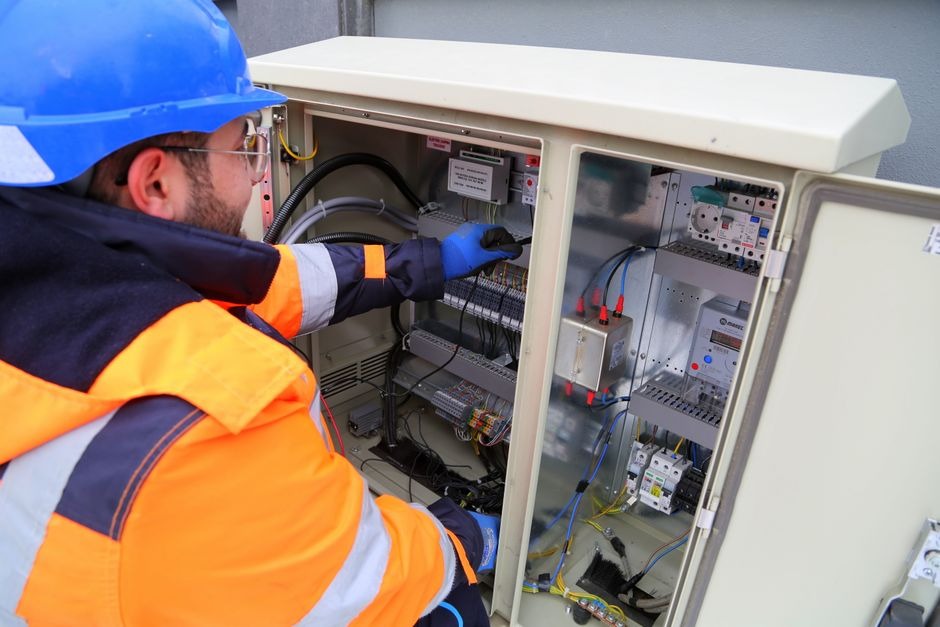
Photo by Fatih Yurtman on Pexels
Alt text: An electrician checking a home fuse board
Use your senses. Scorch marks around a socket, a smell of hot plastic, or a buzzing sound all point to trouble. The condition of your cables, fuses and leads is worth checking regularly. A plug that feels hot is never normal.
Watch the behaviour of your circuits, too. Fuses that blow repeatedly or breakers that keep tripping are signals, not nuisances. Even something as routine as choosing electric heaters is worth doing with safety in mind, since high-power appliances stress a circuit most.
So the warning signs are usually there if you look. Acting on them early is far cheaper than the alternative.
What Simple Steps Cut the Risk?
A handful of easy habits remove most of the danger. None of them costs much. The table below frames the essentials.
| Step | Why It Helps |
| Don’t overload | Keep within a socket’s safe limit |
| Check leads | Replace frayed or damaged cables |
| Unplug overnight | Reduce risk while you sleep |
| Test alarms | Earliest warning of any fire |
A few numbers make the limits concrete:
- Never exceed 13 amps or 3000 watts on one extension lead.
- Keep 1 high-power appliance per wall socket where possible.
- Test every smoke alarm at least 1 time a month.
Each step is small but adds up. Avoiding overloading sockets is the single biggest win, and treating any home electrical work like a proper planning application keeps standards high.
When Should You Call an Electrician?
Whenever something feels off and you cannot explain it. Electricity is one area where guesswork does not pay.
Some jobs are clear-cut. Repeated tripping, scorch marks, frequent shocks, or flickering lights all warrant a qualified electrician rather than a DIY fix. These are symptoms, not quirks.
Older homes deserve a proactive check. If your wiring has not been inspected in years, a professional assessment can catch problems long before they smoulder. A registered electrician gives you both repairs and reassurance.
So the rule is simple: when in doubt, call a professional. The cost of an inspection is nothing next to the cost of a fire.
A Quick Home Electrical Safety Checklist
- Electrical faults cause over half of accidental house fires in England.
- Overloaded sockets and faulty appliances are the top culprits.
- Watch for scorch marks, hot plugs, and tripping circuits.
- Stay within safe socket limits and replace damaged leads.
- Call a qualified electrician for anything you cannot explain.
Keeping the Lights On Safely
Electrical fires are among the most common house fires, but they are also among the most preventable. Respect your sockets, watch for the warning signs, and never push a circuit past its limits. Pair sensible habits with working alarms and a qualified electrician when needed, and you remove most of the risk. A little attention to the wiring you never see keeps the home you love a great deal safer.
Frequently Asked Questions
What Is the Most Common Cause of Electrical Fires at Home?
Overloaded sockets and faulty appliances top the list. Plugging too many high-power devices into one point, or using damaged leads and cube adaptors, puts dangerous strain on the wiring. Faulty electrics cause thousands of house fires every year in the UK, which is why staying within safe socket limits matters so much.
How Do I Know If a Socket Is Overloaded?
Look and listen for warning signs. A socket that feels hot, shows scorch marks, or makes a buzzing sound may be overloaded. Fuses that blow or breakers that trip repeatedly are also clues. As a rule, never exceed 13 amps or 3000 watts on a single extension lead, and keep power-hungry appliances on their own wall sockets.
Can Old Wiring Really Start a Fire?
Yes. Ageing wiring was never designed for the demands of modern appliances, and worn insulation or loose connections can overheat. Homes that have not had an electrical inspection in many years are particularly at risk. A check by a registered electrician can identify and fix these hidden problems before they become dangerous.
Should I Unplug Appliances at Night?
It is a sensible habit, especially for higher-risk items. Unplugging appliances you are not using reduces the chance of a fault developing into a fire while you sleep. Devices like chargers, heaters, and older electronics are worth switching off at the socket. Working smoke alarms remain essential as a backup either way.