Home Blog Page 20

Gedling leader ‘disappointed’ by council shake up decision but vows remain focussed on serving communities

Last week the government announced that Nottinghamshire’s existing councils will be replaced by two unitary councils from April 1, 2028 as part of its plans for local government reorganisation (LGR).  

Plans revealed that Gedling borough will be split in two, with some areas joining the city and others becoming part of a new county council.

Council boss Cllr John Clarke yesterday released his official statement to residents following the decision…

He said: “The Government’s announcement on Local Government Reorganisation marks a significant moment for local government across Nottingham and Nottinghamshire.

“Subject to parliamentary approval, the current nine councils serving Nottinghamshire and Nottingham City will be replaced by two new unitary authorities from April 2028. Under the Government’s proposals, Gedling Borough will be divided between the two new councils.

“Despite being personally disappointed by the decision, I fully recognise the need to work constructively with Government and our local authority partners to ensure the best possible outcome for our residents, businesses and communities.”

PICTURED: Gedling Borough Council civic centre in Arnot Hill Park

The leader says the council will remain focussed on serving our communities.

While this is a major change to the structure of local government, I want to reassure residents, businesses and our employees that there are no immediate changes to the services we provide” he said.

“Gedling Borough Council will continue to deliver services as normal and remain focused on supporting our communities.

“We recognise that residents and staff will have questions about what this decision means for the future. We will now take time to consider the detail of the Government’s announcement and work constructively with neighbouring councils, partners and Government to ensure a smooth and effective transition.

“Throughout this process, our priority will be to represent and protect the interests of Gedling’s communities, ensuring that local voices continue to be heard and that residents receive the high-quality services they expect.”

“We are committed to keeping residents, businesses and employees informed as further information becomes available and as plans for implementation develop over the coming months.

“As the reorganisation programme progresses, we will issue regular updates through our website and official communications channels.

“Information will be shared as soon as it becomes available, and we would encourage residents, businesses, employees and the media to rely on these sources for accurate and up-to-date information throughout the transition.”

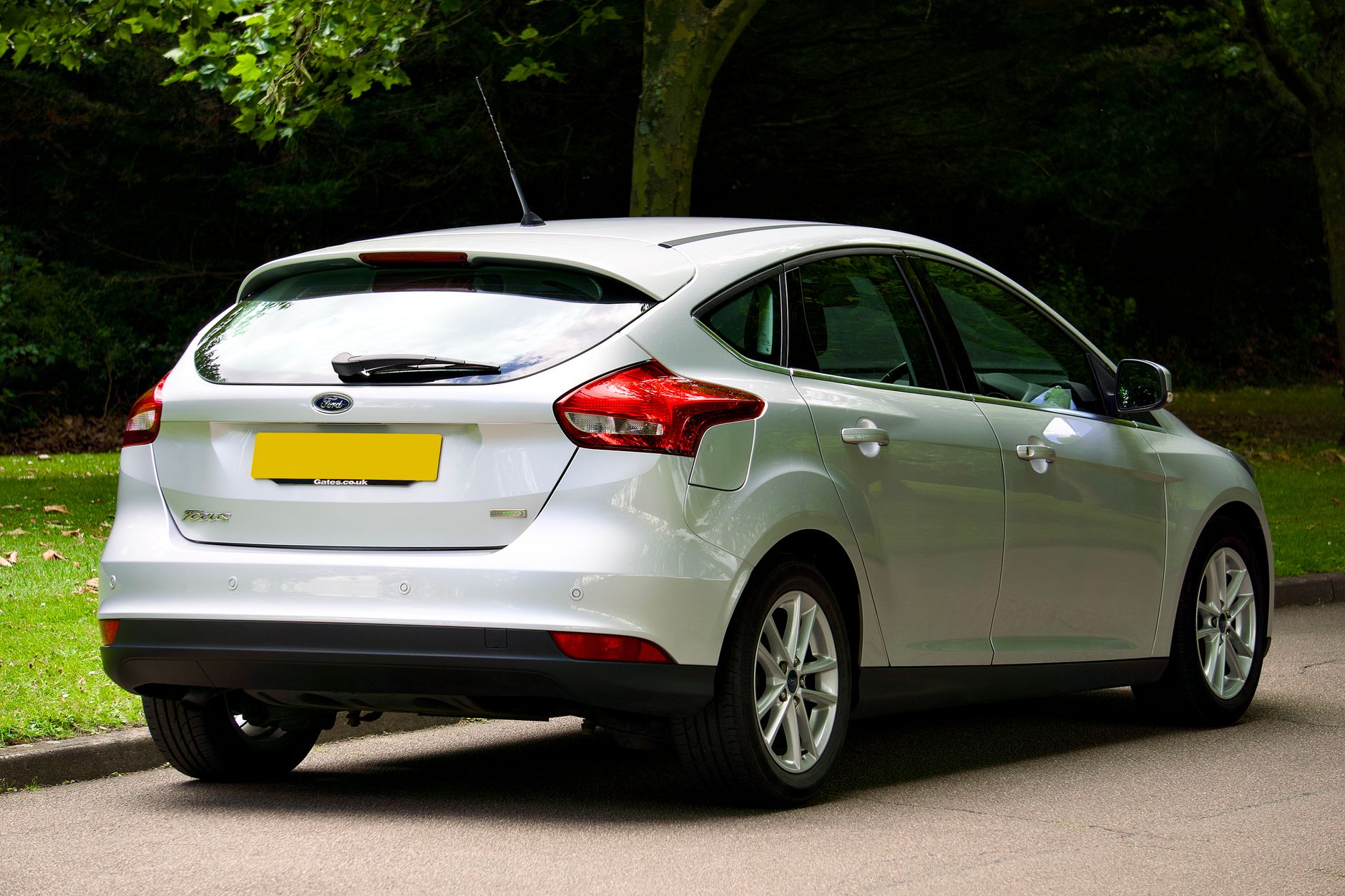
5 Ford Focus Tyres Warning Signs Drivers Are Being Told to Watch For

Ford Focus owners across Nottinghamshire are being urged to take a closer look at their tyres, following a noticeable rise in tyre-related faults picked up during routine MOT checks in recent months.

Local garages report that many drivers are unaware of the early warning signs on Ford Focus tyres, often only realising there’s a problem once it has already started affecting handling, braking, or fuel efficiency.

Not sure which Ford Focus tyres are right for your car? Discover Reg Greenwood’s range and enjoy expert guidance every step of the way. With tyre-related failures now among the most common reasons for MOT rejections in the area, experts say drivers shouldn’t wait for a dashboard warning light or a scheduled service to catch these issues early. Below are several signs that mechanics say are too often ignored, and what they could mean for your car.

The wear pattern that shouldn’t be ignored

Uneven tread wear is one of the most frequently spotted issues on Ford Focus tyres, and it rarely happens without a reason. In most cases it points to incorrect tyre pressure, poor wheel alignment, or worn suspension components placing extra strain on one part of the tyre rather than distributing it evenly. Left unaddressed, this uneven wear reduces grip on the road and shortens the tyre’s overall lifespan considerably. Drivers who run their fingers across the tread every few weeks often catch this early, well before it becomes visible from a quick glance.

Small cracks, bigger problem

Fine cracks running along the sidewall are easy to dismiss as nothing more than cosmetic ageing, but they usually indicate that the rubber compound has started to perish. This tends to happen more on older tyres or vehicles that spend a lot of time parked in direct sunlight or extreme temperatures. Once the rubber begins to degrade in this way, the structural integrity of the tyre weakens, increasing the risk of a sudden blowout, particularly at motorway speeds where the consequences can be far more serious.

The bulge drivers are told never to risk

A bulge or bubble on the tyre wall is one of the clearer signs that something has gone wrong internally, usually as a result of hitting a pothole, kerb, or other sharp impact on the road. Unlike gradual wear, this kind of damage can compromise the tyre almost instantly, and mechanics are consistent in describing it as one of the more serious warning signs a driver can encounter. A tyre with a visible bulge should be checked immediately rather than left until the next scheduled service.

Falling below the legal limit

Tread depth is one of the most straightforward checks a driver can carry out, yet it remains one of the most common reasons Ford Focus tyres fail their MOT. The legal minimum in the UK is 1.6mm, and once tread wears down close to this point, braking distances increase significantly, especially in wet or icy conditions. Many drivers assume their tyres still have plenty of life left simply because they look fine at a glance, but a proper depth check, ideally done monthly, can reveal a very different picture.

The vibration that’s easy to brush off

A vibration felt through the steering wheel, pedals, or seat is often written off as a minor quirk of the car, but it can be an early indicator of a tyre that’s out of balance, unevenly worn, or damaged on the inside where it isn’t visible. While it may not seem urgent at first, this is frequently one of the earliest physical signs that something needs attention, and catching it early can prevent a more expensive repair further down the line.

When the tyre pressure light won’t stop coming back.

A tyre pressure warning that keeps returning shortly after being cleared is rarely a false alarm. In most cases it points to a slow puncture, a faulty valve, or a seal that’s no longer sitting properly against the wheel rim. Drivers sometimes top up the pressure and carry on, only for the light to reappear within days. Garages advise treating a recurring warning as a sign to get the tyre properly inspected rather than repeatedly resetting it.

The noise mechanics say points to trouble

A rhythmic thumping or humming sound that changes with speed is often one of the clearest audible signs of a problem with Ford Focus tyres. This can indicate uneven wear, a flat spot, or damage to the internal structure that isn’t visible from the outside. Many drivers assume unusual noises are coming from the road surface, when in fact the tyres are usually the first place worth checking.

The ageing problem hiding in plain sight

Tread depth isn’t the only thing that matters, ageing rubber stiffens over the years, quietly reducing grip even on tyres that look barely used. This is particularly relevant for owners who don’t drive long distances regularly, since Ford Focus tyres can be several years old despite showing relatively low wear. This is particularly relevant for owners who don’t drive long distances regularly, since Ford Focus tyres can be several years old despite showing relatively low wear. Garages recommend checking the manufacturing date stamped on the tyre wall, as most experts suggest replacing tyres after around five to six years regardless of how much tread remains.

The wet-weather warning most drivers miss

Tyres that perform perfectly well in dry conditions can behave very differently once the road is wet, particularly if tread depth is already borderline. Reduced grip in the rain increases stopping distances and makes the car more prone to losing traction on bends or during sudden braking. Many drivers only notice this difference the first time they’re caught out in heavy rain, by which point the tyre may already be close to needing replacement.

Garages across the region are recommending that owners get their Ford Focus tyres properly checked at least twice a year, and always ahead of an MOT, to catch these issues before they develop into safety concerns or costly repairs.

STOP THE WRECKING BALL!: Councillor calls for halt to £30m Carlton leisure centre ‘white elephant’ project

A landmark leisure centre in Carlton could be demolished in a matter of months.

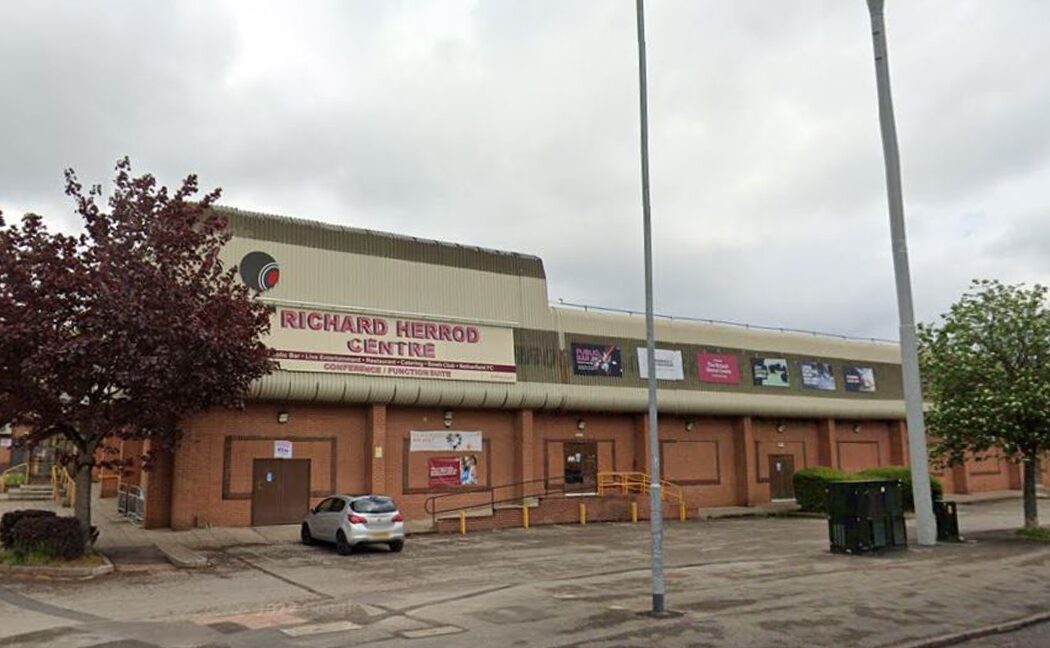
The Richard Herrod Centre, in Foxhill Road, has served the Gedling borough community for decades.

From the dry ski slope on site from the 1960s until the 1990s, to being the home of the Gedling Indoor Bowls Club from 1987 until 2026, the centre was also used as a vaccination centre during the Covid-19 pandemic.

The centre closed its doors at the start of May this year following the bowl club’s lease expiring and to make way for Gedling Borough Council’s plans for a new ‘Carlton Active’ leisure centre to be built.

This near-£30 million project involves both the Carlton Forum and Richard Herrod centres being knocked down to create a new centre built on the Richard Herrod site and could include an eight-lane swimming pool and teaching pool, a 100-station gym, community rooms and a café.

Now, the demolition of the Richard Herrod site is one step closer, after the authority submitted formal plans outlining its intention to knock down the building.

Demolition plans say the goal to start bringing down the building is September 28, 2026, with a completion date expected in either November or December this year.

The authority has been plagued with scrutiny over its decision to not include an indoor bowls facility within the Carlton Active project, where such a facility was originally considered in proposals.

It meant the 300-member-strong bowls club was effectively displaced with no solid alternative location to move into, with those involved concerned for the health and wellbeing of club members, whom many of which are older.

Ian Summerscales, a director at the club, previously said the lowest priced relocation option would have cost around £2 million to £3 million to take over an industrial unit, refurbish it and cover bills.

Councillor Henry Wheeler (Lab), portfolio holder for lifestyles, health and wellbeing, previously said a six-rink bowls facility in the plans would add between £5.6 million to £7.7 million to capital costs, leaving the council a subsidy of around £500,000 a year.

Speaking on Thursday (July 23), Councillor Sam Smith (Con) –  who has previously been outspoken about the new leisure centre plans and decision to exclude the bowls club – called the project “a complete white elephant”.

He criticised the authority pushing forward with the scheme despite Local Government Reorganisation happening in the county, which will involve two new unitary authorities being created, including one which will now include Nottingham and parts of Gedling, Broxtowe and Rushcliffe and the other containing the rest of the county.

He said: “It is beyond ridiculous the tax payers of Gedling borough are being lumbered with a loan of £30 million to build a new leisure centre where the keys are going to be handed over to Nottingham City Council.

“The Carlton Active project is a complete white elephant. £30 million of debt the new council will be lumbered with, and it’s a new centre that doesn’t deliver everything the residents want.

“The Labour-run council needs to slam the brakes on and wait for the new [unitary] authority to take over.

“They’re gambling with residents’ money. Councillors won’t be there to answer for it because it will be a new authority.”

Gedling Borough Council previously said more than £2m in backlog works were required for the two existing leisure centres, which, along with a £545,000 yearly subsidy, made them “unsustainable in their current form”.

A decision on whether a prior notification is needed for the demolition works will be decided by the authority’s planners at a later date.

The timeless appeal of iconic cars and automotive design

Automotive design has always been about more than creating a vehicle that moves efficiently from one place to another. The world’s most iconic cars combine engineering, artistry, and innovation in a way that creates lasting emotional connections with drivers and enthusiasts alike. Some vehicles become instantly recognisable symbols of their era, while others remain desirable for decades because their styling and performance continue to stand the test of time.

As the automotive industry embraces electrification and new technologies, appreciation for beautifully designed classic and performance cars remains stronger than ever. Their enduring popularity highlights the importance of thoughtful engineering, timeless aesthetics, and the stories that each vehicle carries throughout its lifetime.

Great Design Never Goes Out of Style

Fashion trends come and go, but truly exceptional automotive design remains relevant for generations.

Many iconic cars introduced design principles that continue to influence modern manufacturers. Clean body lines, balanced proportions, elegant curves, and purposeful details often define vehicles that are still admired decades after their original launch.

Rather than relying on temporary styling trends, successful automotive designers focus on creating vehicles that feel harmonious from every angle. This timeless approach allows certain models to remain desirable regardless of changing tastes.

A beautifully designed car can often be recognised instantly without even seeing its badge.

The Balance Between Form and Function

The best automotive designs achieve a perfect balance between appearance and practicality.

Every contour, air intake, roofline, and wheel arch serves a purpose beyond aesthetics. Aerodynamics improve stability at higher speeds, carefully positioned cooling vents manage engine temperatures, and lightweight construction contributes to improved handling and efficiency.

When designers and engineers work together from the beginning of a project, the result is a vehicle where every element complements both performance and appearance.

This integration of form and function is one of the defining characteristics of truly iconic automobiles.

Performance Cars Inspire Innovation

Throughout automotive history, performance cars have often introduced technologies that later became common across the industry.

Disc brakes, turbocharging, aerodynamic bodywork, lightweight materials, electronic driver assistance systems, and adaptive suspension were all pioneered in high-performance vehicles before finding their way into everyday cars.

Manufacturers frequently use sports cars as development platforms, allowing engineers to test new technologies under demanding conditions before introducing them into larger production ranges.

As a result, iconic performance cars have played an important role in shaping the future of automotive engineering.

The Emotional Connection Between Driver and Car

Unlike many everyday vehicles, iconic cars often create lasting emotional attachments.

Owners frequently describe their cars as having unique personalities, shaped by the sound of the engine, the feel of the steering, and the character of the driving experience. Every journey becomes memorable because the vehicle actively engages the driver rather than simply transporting them.

This emotional connection explains why many enthusiasts keep the same classic or performance car for decades, passing it down through generations or investing countless hours in restoration projects.

The memories associated with these vehicles often become just as valuable as the cars themselves.

Motorsport Has Shaped Automotive Design

Racing has long served as the proving ground for automotive innovation.

Engineers constantly search for ways to improve speed, handling, durability, and efficiency under the extreme conditions of competitive motorsport. Successful solutions frequently influence the design of road-going performance cars.

Aerodynamic improvements, lightweight construction techniques, stronger braking systems, and advanced suspension designs all owe much of their development to racing programmes.

Many iconic road cars proudly reflect their motorsport heritage through both their appearance and engineering philosophy.

Preserving Automotive Heritage

As classic vehicles age, preserving their originality becomes increasingly important.

Collectors and enthusiasts dedicate significant time to researching factory specifications, restoring bodywork, rebuilding engines, and maintaining interiors to ensure these vehicles continue representing their era accurately.

Attention to detail plays a vital role during restoration projects. Sourcing authentic 911 Porsche parts helps owners maintain originality while preserving the driving characteristics and engineering standards that have made these legendary sports cars admired around the world.

Careful restoration protects not only the vehicle itself but also an important chapter of automotive history.

Materials Have Changed Automotive Styling

Advances in manufacturing technology have significantly influenced vehicle design.

Earlier cars relied heavily on steel construction, limiting the complexity of certain body shapes. Modern manufacturers now use aluminium, carbon fibre, magnesium, and advanced composite materials to create lighter, stronger, and more sculpted vehicles.

These materials allow designers greater creative freedom while simultaneously improving performance, safety, and efficiency.

The ability to combine structural strength with elegant styling has helped modern performance cars continue the tradition established by earlier automotive icons.

Technology Enhances Modern Design

Today’s performance cars incorporate sophisticated technology without abandoning timeless design principles.

Adaptive LED lighting, active aerodynamics, digital instrument displays, and intelligent driver assistance systems all contribute to a refined ownership experience while maintaining clean, purposeful styling.

Manufacturers increasingly focus on integrating technology discreetly, ensuring that advanced features enhance rather than dominate the vehicle’s appearance.

The result is a generation of performance cars that feel both modern and unmistakably connected to their heritage.

Car Culture Continues to Grow

Automotive enthusiasm extends far beyond individual ownership.

Classic car exhibitions, motorsport events, enthusiast clubs, restoration workshops, and online communities bring together people who share a passion for automotive design and engineering.

These communities encourage the exchange of technical knowledge, restoration advice, and historical information, helping preserve specialist skills that might otherwise disappear.

Younger enthusiasts also play an important role, demonstrating that appreciation for iconic cars continues to grow despite changing automotive technologies.

This shared passion ensures that automotive heritage remains vibrant for future generations.

The Future of Automotive Design

The automotive industry is entering one of the most significant periods of transformation in its history.

Electric vehicles, sustainable manufacturing processes, advanced software systems, and autonomous technologies are reshaping how cars are designed and built. Despite these changes, the principles of excellent automotive design remain remarkably consistent.

Manufacturers still strive to create vehicles that inspire emotion, communicate quality, and deliver engaging driving experiences.

Future automotive icons may use different powertrains, but they will still depend on thoughtful engineering, elegant proportions, and careful attention to detail to achieve lasting appeal.

Conclusion

The timeless appeal of iconic cars comes from their unique ability to combine engineering excellence with exceptional design. Whether admired for their elegant styling, innovative technology, motorsport heritage, or unforgettable driving experience, these vehicles continue inspiring enthusiasts across generations.

As automotive technology evolves, appreciation for beautifully designed classic and performance cars remains stronger than ever. They remind us that the greatest automobiles are not simply machines—they are enduring examples of creativity, craftsmanship, and engineering excellence that continue capturing attention long after they first leave the factory.

Burton Joyce man jailed after dumping knife on shop shelf while trying to evade police

A Burton Joyce man has been jailed after trying to ditch a knife on the shelves of a busy Nottingham store when police moved in to arrest him.

Eamon Costello, 18, was spotted by Nottinghamshire Police’s knife crime team while officers were patrolling the city centre on April 16.

The officers recognised Costello, who was wanted for unrelated matters, and followed him into Boyes department store before detaining him.

But a subsequent search of the shop uncovered a lock knife hidden behind folded towels on a shelf.

Police believe Costello discarded the weapon as he realised officers were closing in.

Costello, of Broadmead, Burton Joyce, later admitted possessing a knife in a public place.

At Nottingham Crown Court on July 16, he was sentenced to nine months in a young offender institution.

PC Daniel Cresswell, from the force’s knife crime team, said Costello showed little regard for public safety when he abandoned the blade.

He said: “Knife carriers will often try to discard weapons when we approach or follow them.

“In this case, Costello clearly had little concern about who might end up finding the knife when he dumped it on the shelves of a busy shop.

“Costello has a number of previous convictions for knife possession and has been arrested previously in the city centre by the knife crime team.

“I’m pleased he has now received a spell behind bars.”

The officer added that people who continue to carry knives should expect to be caught, arrested and prosecuted.

He said: “Those who continue to carry weapons on the street must understand they will be caught on camera, arrested, charged and are likely to end up in jail.”

Police hunt man after pharmacy break‑in and fragrance theft in Woodthorpe

Police are hunting a man after a pharmacy in Woodthorpe was broken into and a stash of fragrances stolen.

The incident happened at Jayplex Chemist on Mansfield Road, Woodthorpe, where the lower half of the front door was smashed in during the early‑morning burglary. The offender then grabbed several fragrances from the counter, stuffed them into a blue Co‑op bag and ran off towards Hawksworth Avenue.

Officers have been combing CCTV and doorbell footage and carrying out house‑to‑house inquiries since the break‑in, which took place at around 3.40am on 30 May 2026.

PC Toby Love said: “We’ve been working closely with the business owner and are now able to release an image of someone we’d like to speak to. We know the picture isn’t perfect, but we’re confident people who know him will recognise him.

“If you know who he is, or have any information or footage that could help, please get in touch.”

Anyone with information can call 101 quoting incident 134 of 30 May 2026, or contact Crimestoppers anonymously on 0800 555 111.

Carlton developer scores big with a slick new international padel destination

Nottingham’s gearing up for a serious glow‑up in the sports world, with a brand-new international‑standard padel hub officially getting the green light.

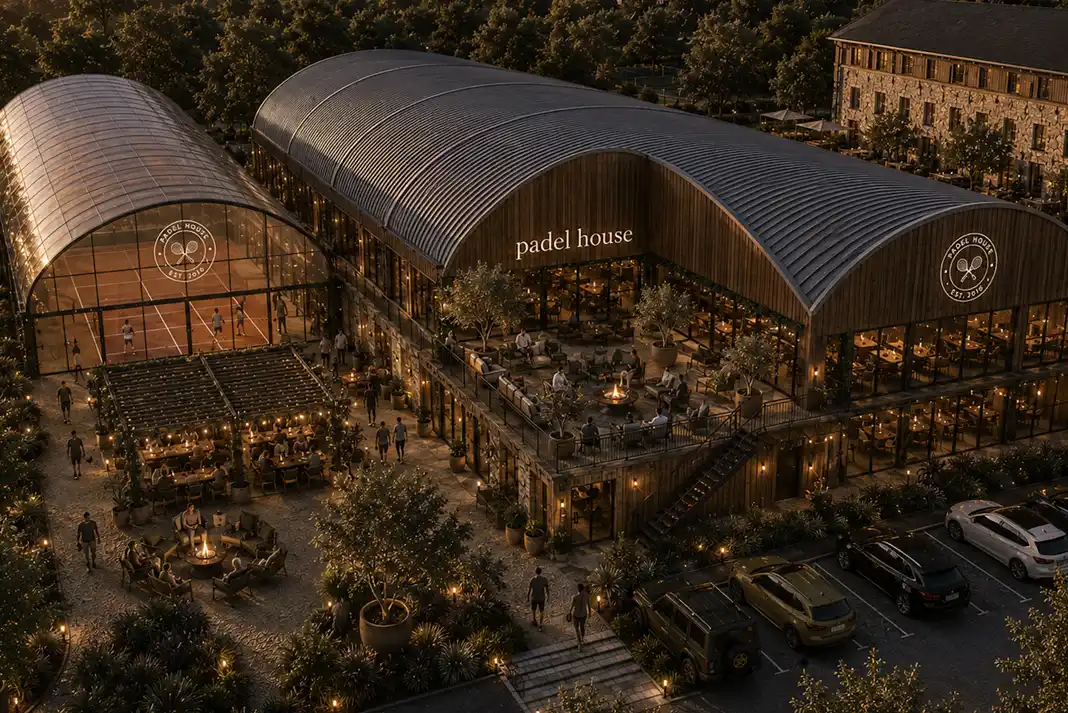
Say hello to Padel House — a slick, purpose-built playground for padel obsessives, curious newcomers and anyone who enjoys a good coffee, a good chat or a good excuse to hang out somewhere buzzy.

This isn’t just a couple of courts tucked behind an industrial estate. ALB Group — the Carlton-based developers behind the project — are going big. Think five indoor courts, an indoor show court, four covered outdoor courts, plus a dedicated pickleball court for the fast-growing crowd who prefer their racquets with a side of chaos.

And yes, it’s built to host major tournaments. Nottingham’s already stacked with sporting heavyweights — Forest’s City Ground, Trent Bridge, Holme Pierrepont — and Padel House is aiming to slide right into that elite lineup.

Arran Bailey, ALB Group’s managing director, is understandably buzzing: planning approval means the team can finally crack on with turning Electric Avenue into a full-blown racquet-sport hotspot. The ambition? A venue that pulls in players and visitors from across the UK and beyond.

But here’s where it gets very Time Out: Padel House isn’t just about sport. It’s being designed as a proper community hangout — a modern “third space” where you can move, meet, work, lounge and linger. Expect:

  • A Pilates studio
  • PT and physio spaces
  • Coworking areas and offices
  • A lounge, bar and roof terrace
  • An events plaza
  • Food and drink from the creative minds behind Public and Arran’s Bagel

Public’s team summed it up neatly: this is a place built on connection, conversation and energy. Play a match, grab a drink, stay for a meeting, end up chatting to someone new — that’s the vibe.

The location’s also handy for out-of-towners, sitting close to several established hotels. Leonard Design has shaped the look and feel of the project, aligning it with the East Midlands’ wider push to create world-class sporting destinations that double as catalysts for regeneration.

Padel House is part of the ongoing redevelopment of the former Experian site, and with planning permission now locked in, construction is expected to kick off once pre-development works wrap up.

When it opens, Nottingham won’t just have a new padel venue — it’ll have one of the UK’s most ambitious racquet-sport destinations, ready to serve up tournaments, community vibes and a whole lot of post-match lounging.

NCC Leader Cllr Mick Barton: ‘We’re winning the war with roads”

Leader of Nottinghamshire County Council, Mick Barton, updates readers on progress made on road repairs and outcome of the Local Government Reorganisation initiative…

As you can all see the roads are now massively improving.  I have been out within the county to see firsthand the various repairs we are carrying out.

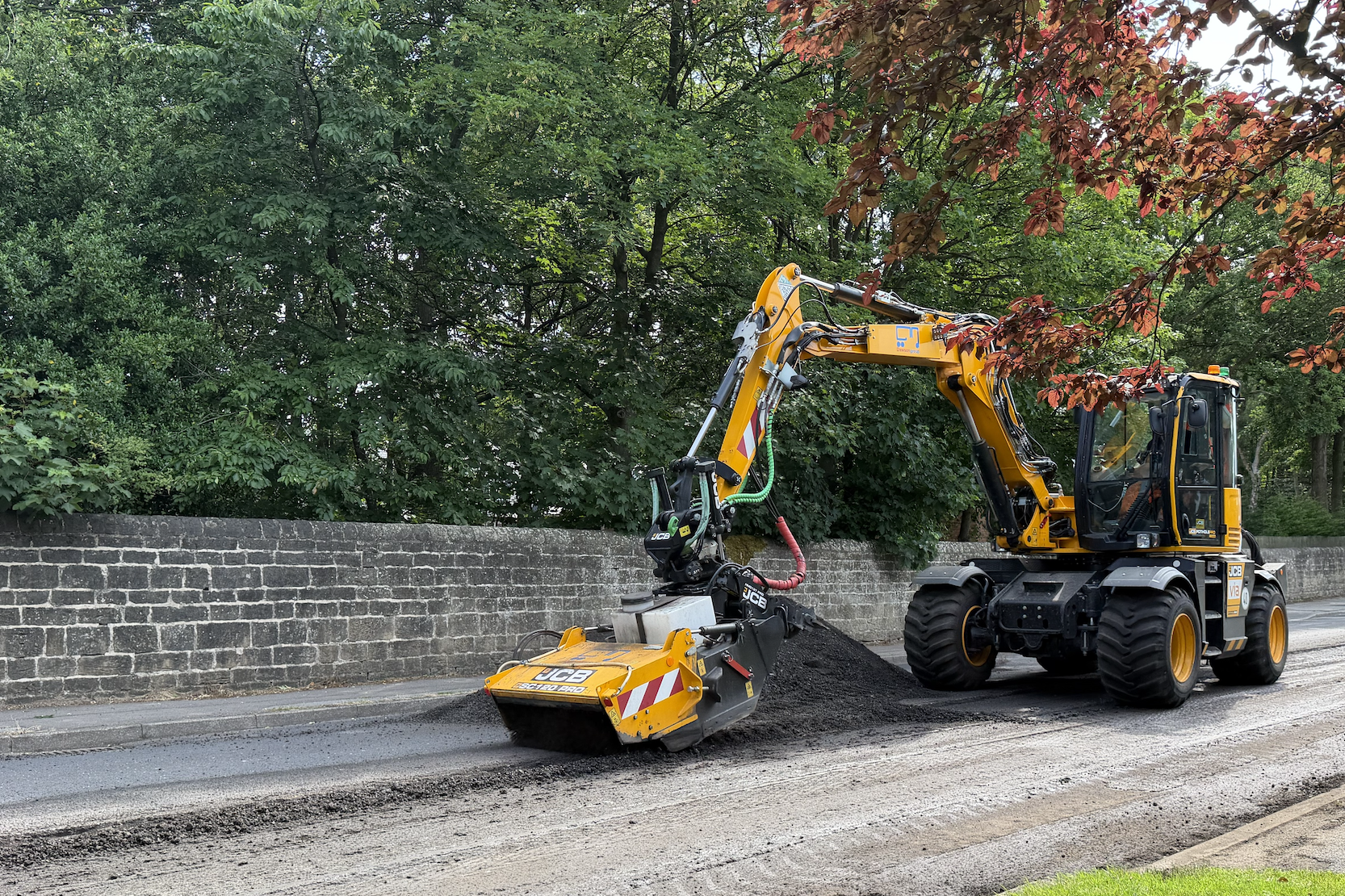
We have taken delivery of two new mastic boilers.  I knew we had to purchase the boilers following our visit to Roadmender in Rotherham a few months ago.  I, along with Cabinet members, were given a demonstration on laying the asphalt, and I could not believe the results. The mastic boiler is ideal for repairing potholes and larger repairs in a quick, efficient way.  These repairs are faster to install, greener and are significantly less disruptive than conventional asphalt repairs.  A must have part of our toolkit for the ‘right first-time approach’ repairs. 

The mastic material is made up of old vehicle tyres and other materials to make the product pliable and long lasting.  The boilers are on the roads now, along with the eight hot box teams, the two JCB Pothole Pro’s and further resurfacing gangs.  They are out in every part of the county ensuring roads are improving across the county.

We are looking to deliver a winter masterplan that has not been seen before, where repairs will not be halted for bad weather. The crews will now continue working twelve months a year, so we do not have the same emergency situation of last year, with undrivable roads.

LGR (Local Government Reorganisation)

We received the government’s option for LGR, who have gone with the Labour run City Council proposal.  To say I am disappointed with their decision is an understatement. 

I will not be taking this lying down, I can assure you.  I am currently waiting for the Secretary of State to write to me to confirm the decision and their reasoning for it. When that happens, I will decide our stance and our next move.  I do not believe this decision has been taken fairly and objectively.  I think this is a rushed, Labour looking after Labour decision, on an asset grabbing mission.  No way is this decision the fair one for the county and I will be seriously looking at a judicial review.  We put in our plan by sticking exactly to the guidelines and legislation given to us.  I will be working on this daily to find a solution.

I will get back to you on progress in my columns and on social media.

Out in the Community

I have mentioned before that my Cabinet and I hold bi-monthly meetings out in the community.  It would be lovely to hear from any businesses who would like us to come along, have a tour of your premises and understand what you do.  If we can assist in any way or offer support, we will.  If you would like us to come along, please contact me on cllr.mick.barton@nottscc.gov.uk.

I held a cabinet away day last week, where the cabinet and I looked at the year ahead and all we want to achieve. I look forward to sharing the year ahead with you in my next column.

In the meantime, enjoy the weather and the children’s holidays from school that are about to start.

Take Care.
Mick

Family, Community, Country.

The financial impact of summer tourism on local economies

Every summer, millions of people travel to seaside towns, historic cities and countryside destinations, creating a seasonal boost for businesses and communities. This article explores how summer tourism shapes local economies, the opportunities it creates and the challenges that come with relying on seasonal visitors.

Why Summer Brings an Economic Boost

Summer is often the busiest time of year for many destinations, with hotels, restaurants, attractions and transport services welcoming a surge in visitors. This increased demand generates higher revenues across a wide range of industries and can significantly improve the financial health of local businesses.

The tourism sector also attracts attention from investors who monitor travel companies and market trends throughout the holiday season. Some people even follow indicators such as the tui share price to gain insight into consumer confidence and the performance of the travel industry during peak booking periods.

For many towns and cities, these few busy months account for a large share of annual income. Businesses that depend on tourism often earn enough during the summer to support operations throughout the quieter months, making a successful season especially important.

Local Businesses Feel the Difference

Independent businesses are often among the biggest beneficiaries of increased visitor numbers. Cafés fill with customers, gift shops welcome new buyers and local tour operators experience a sharp rise in bookings. Many family-owned businesses rely heavily on the summer season to remain profitable.

Accommodation providers also benefit from stronger demand. Hotels, guesthouses, holiday parks and self-catering properties often achieve much higher occupancy rates than at other times of the year. This extra income can be reinvested in property improvements, staff training or expanding services for future visitors. Even businesses that are not directly linked to tourism can experience positive effects. Local suppliers, maintenance companies, food producers and laundry services may all receive more work as tourism-related businesses become busier.

Employment Opportunities Increase

One of the most visible economic benefits of summer tourism is the creation of seasonal employment. Businesses frequently recruit additional staff to manage increased demand, offering opportunities for students, recent graduates and people looking for temporary work.

These jobs help reduce short-term unemployment while providing valuable experience in customer service, hospitality and retail. For younger workers, seasonal roles often become a stepping stone towards long-term careers in tourism or other industries.

Local economies also benefit because wages earned during the summer are typically spent within the same community, supporting shops, transport providers and other local services.

Government Revenue and Public Investment

A successful tourism season can strengthen public finances in several ways. Higher business activity generates additional tax revenue through sales, income and business-related taxes. Local authorities may also collect more income from parking charges, visitor attractions and tourism-related fees.

This additional revenue can contribute towards maintaining public spaces, improving transport infrastructure and supporting cultural events that attract even more visitors. In many destinations, investments made because of tourism continue benefiting residents long after the holiday season ends.

Better infrastructure, cleaner public areas and improved facilities often make communities more attractive places to live as well as visit.

The Challenges of Seasonal Success

Although tourism creates many financial advantages, relying too heavily on a short summer season can create economic uncertainty. Poor weather, transport disruptions or changing travel habits may reduce visitor numbers, leaving businesses with lower-than-expected income.

Many employers also face difficulties recruiting enough seasonal workers, particularly in areas where affordable housing is limited. Rising accommodation costs can discourage potential employees from accepting temporary positions, creating staffing shortages during the busiest periods.

Businesses must therefore balance the opportunity presented by summer demand with careful financial planning that prepares them for quieter months.

Balancing Growth with Sustainability

Growing visitor numbers bring additional pressure on local infrastructure and natural environments. Popular beaches, parks and historic sites can experience overcrowding, while roads and public transport become busier during peak periods.

To protect long-term economic success, many destinations are investing in more sustainable tourism strategies. These include encouraging visitors to explore less crowded areas, promoting off-season travel and supporting environmentally responsible businesses.

A balanced approach allows communities to enjoy the financial rewards of tourism without placing excessive strain on local resources. Sustainable planning also helps preserve the qualities that attract visitors in the first place.

Looking Beyond the Summer Season

Many destinations are working to reduce their dependence on a single busy period by encouraging tourism throughout the year. Festivals, sporting events, food markets and cultural celebrations can attract visitors during spring, autumn and even winter.

Extending the tourism calendar provides businesses with more consistent income while creating steadier employment opportunities for local residents. It also reduces pressure during the busiest months by spreading visitor numbers more evenly across the year.

Ultimately, summer tourism remains a powerful economic driver for countless communities. When managed thoughtfully, it supports businesses, creates employment, strengthens public finances and encourages investment in local infrastructure. By combining strong seasonal performance with long-term planning, destinations can maximise the financial benefits of tourism while building resilient local economies for the future.

£2 bus fare cap to be reinstated from January

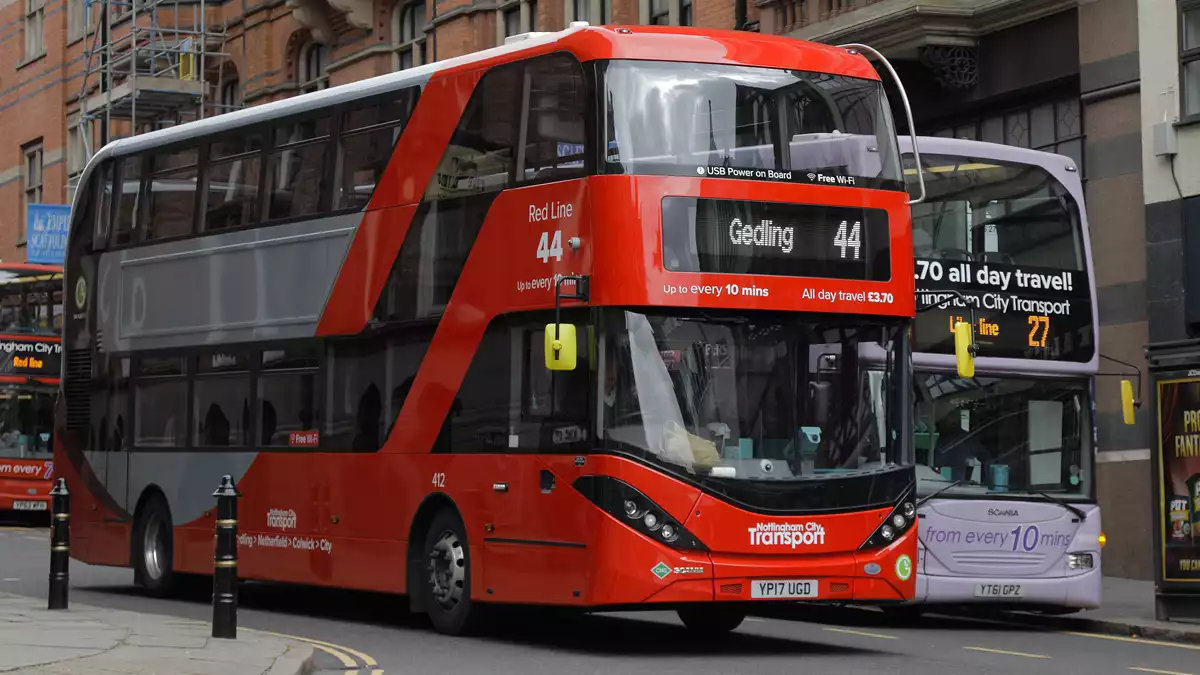
The £2 bus fare cap will be reinstated from January in most areas across England, the government has announced this morning.

The cap will be for a single fare, and last for all of 2027.

More than £500m of funding, will be reallocated from money earmarked for international climate finance as well as existing transport funding to pay for the scheme.

The £2 cap was first imposed in early 2023, before rising to £3 at the start of 2025.

Some areas have kept the £2 cap, including Greater Manchester – which Burnham ran until last month. Single fares in London are £1.75.

The government says the last £2 fare cap led to an extra 30 million journeys taken by bus across 10 months.

“Good, affordable transport links are an essential. No one should be priced out of those and left behind,” the prime minister said.

He added: “But for too long people have said that cheaper transport isn’t an option. I don’t accept that. I’ve done it before and I will do it again now: a £2 cap on bus fares for millions across the country.”

Transport Secretary Heidi Alexander said the fare cut would help “keep people connected to work, school, healthcare and their friends and family”.

Yesterday, Burnham told the first meeting of his cabinet they will be a “cost of living government” and urged them all to look at ways they can help with the cost of living in their areas.