


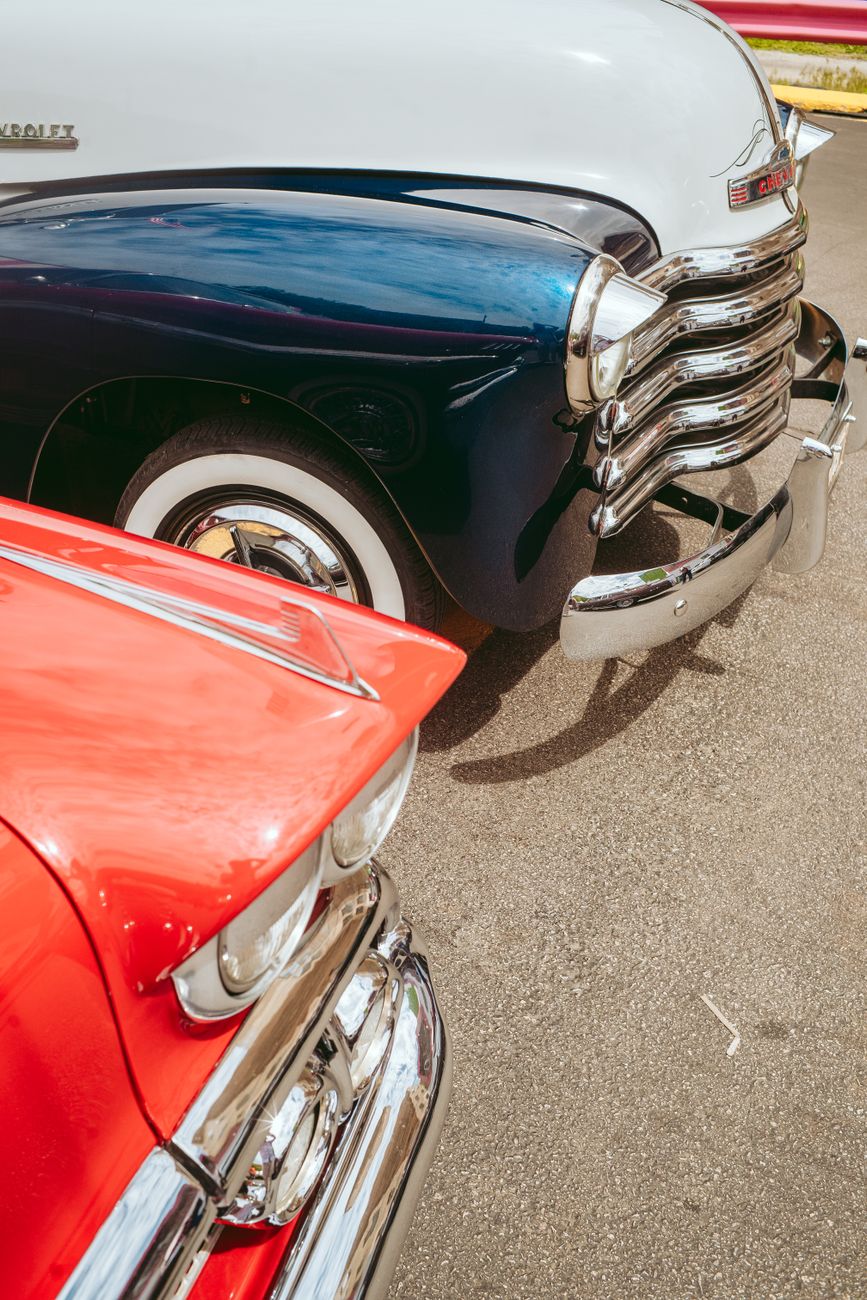

Automotive design has always been about more than creating a vehicle that moves efficiently from one place to another. The world’s most iconic cars combine engineering, artistry, and innovation in a way that creates lasting emotional connections with drivers and enthusiasts alike. Some vehicles become instantly recognisable symbols of their era, while others remain desirable for decades because their styling and performance continue to stand the test of time.
As the automotive industry embraces electrification and new technologies, appreciation for beautifully designed classic and performance cars remains stronger than ever. Their enduring popularity highlights the importance of thoughtful engineering, timeless aesthetics, and the stories that each vehicle carries throughout its lifetime.
Great Design Never Goes Out of Style
Fashion trends come and go, but truly exceptional automotive design remains relevant for generations.
Many iconic cars introduced design principles that continue to influence modern manufacturers. Clean body lines, balanced proportions, elegant curves, and purposeful details often define vehicles that are still admired decades after their original launch.
Rather than relying on temporary styling trends, successful automotive designers focus on creating vehicles that feel harmonious from every angle. This timeless approach allows certain models to remain desirable regardless of changing tastes.
A beautifully designed car can often be recognised instantly without even seeing its badge.
The Balance Between Form and Function
The best automotive designs achieve a perfect balance between appearance and practicality.
Every contour, air intake, roofline, and wheel arch serves a purpose beyond aesthetics. Aerodynamics improve stability at higher speeds, carefully positioned cooling vents manage engine temperatures, and lightweight construction contributes to improved handling and efficiency.
When designers and engineers work together from the beginning of a project, the result is a vehicle where every element complements both performance and appearance.
This integration of form and function is one of the defining characteristics of truly iconic automobiles.
Performance Cars Inspire Innovation
Throughout automotive history, performance cars have often introduced technologies that later became common across the industry.
Disc brakes, turbocharging, aerodynamic bodywork, lightweight materials, electronic driver assistance systems, and adaptive suspension were all pioneered in high-performance vehicles before finding their way into everyday cars.
Manufacturers frequently use sports cars as development platforms, allowing engineers to test new technologies under demanding conditions before introducing them into larger production ranges.
As a result, iconic performance cars have played an important role in shaping the future of automotive engineering.
The Emotional Connection Between Driver and Car
Unlike many everyday vehicles, iconic cars often create lasting emotional attachments.
Owners frequently describe their cars as having unique personalities, shaped by the sound of the engine, the feel of the steering, and the character of the driving experience. Every journey becomes memorable because the vehicle actively engages the driver rather than simply transporting them.
This emotional connection explains why many enthusiasts keep the same classic or performance car for decades, passing it down through generations or investing countless hours in restoration projects.
The memories associated with these vehicles often become just as valuable as the cars themselves.
Motorsport Has Shaped Automotive Design
Racing has long served as the proving ground for automotive innovation.
Engineers constantly search for ways to improve speed, handling, durability, and efficiency under the extreme conditions of competitive motorsport. Successful solutions frequently influence the design of road-going performance cars.
Aerodynamic improvements, lightweight construction techniques, stronger braking systems, and advanced suspension designs all owe much of their development to racing programmes.
Many iconic road cars proudly reflect their motorsport heritage through both their appearance and engineering philosophy.
Preserving Automotive Heritage
As classic vehicles age, preserving their originality becomes increasingly important.
Collectors and enthusiasts dedicate significant time to researching factory specifications, restoring bodywork, rebuilding engines, and maintaining interiors to ensure these vehicles continue representing their era accurately.
Attention to detail plays a vital role during restoration projects. Sourcing authentic 911 Porsche parts helps owners maintain originality while preserving the driving characteristics and engineering standards that have made these legendary sports cars admired around the world.
Careful restoration protects not only the vehicle itself but also an important chapter of automotive history.
Materials Have Changed Automotive Styling
Advances in manufacturing technology have significantly influenced vehicle design.
Earlier cars relied heavily on steel construction, limiting the complexity of certain body shapes. Modern manufacturers now use aluminium, carbon fibre, magnesium, and advanced composite materials to create lighter, stronger, and more sculpted vehicles.
These materials allow designers greater creative freedom while simultaneously improving performance, safety, and efficiency.
The ability to combine structural strength with elegant styling has helped modern performance cars continue the tradition established by earlier automotive icons.
Technology Enhances Modern Design
Today’s performance cars incorporate sophisticated technology without abandoning timeless design principles.
Adaptive LED lighting, active aerodynamics, digital instrument displays, and intelligent driver assistance systems all contribute to a refined ownership experience while maintaining clean, purposeful styling.
Manufacturers increasingly focus on integrating technology discreetly, ensuring that advanced features enhance rather than dominate the vehicle’s appearance.
The result is a generation of performance cars that feel both modern and unmistakably connected to their heritage.
Car Culture Continues to Grow
Automotive enthusiasm extends far beyond individual ownership.
Classic car exhibitions, motorsport events, enthusiast clubs, restoration workshops, and online communities bring together people who share a passion for automotive design and engineering.
These communities encourage the exchange of technical knowledge, restoration advice, and historical information, helping preserve specialist skills that might otherwise disappear.
Younger enthusiasts also play an important role, demonstrating that appreciation for iconic cars continues to grow despite changing automotive technologies.
This shared passion ensures that automotive heritage remains vibrant for future generations.
The Future of Automotive Design
The automotive industry is entering one of the most significant periods of transformation in its history.
Electric vehicles, sustainable manufacturing processes, advanced software systems, and autonomous technologies are reshaping how cars are designed and built. Despite these changes, the principles of excellent automotive design remain remarkably consistent.
Manufacturers still strive to create vehicles that inspire emotion, communicate quality, and deliver engaging driving experiences.
Future automotive icons may use different powertrains, but they will still depend on thoughtful engineering, elegant proportions, and careful attention to detail to achieve lasting appeal.
Conclusion
The timeless appeal of iconic cars comes from their unique ability to combine engineering excellence with exceptional design. Whether admired for their elegant styling, innovative technology, motorsport heritage, or unforgettable driving experience, these vehicles continue inspiring enthusiasts across generations.
As automotive technology evolves, appreciation for beautifully designed classic and performance cars remains stronger than ever. They remind us that the greatest automobiles are not simply machines—they are enduring examples of creativity, craftsmanship, and engineering excellence that continue capturing attention long after they first leave the factory.