


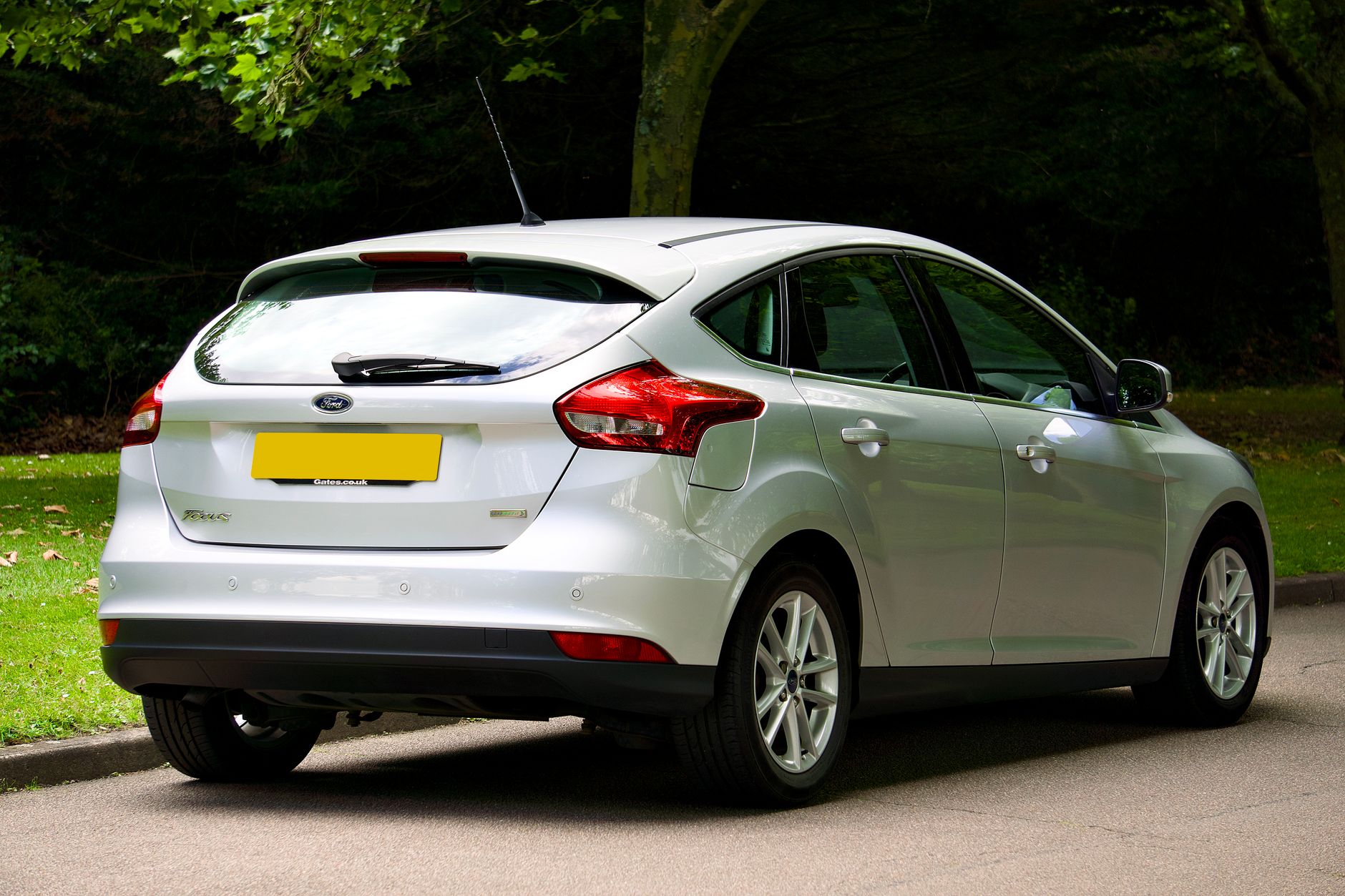

Ford Focus owners across Nottinghamshire are being urged to take a closer look at their tyres, following a noticeable rise in tyre-related faults picked up during routine MOT checks in recent months.
Local garages report that many drivers are unaware of the early warning signs on Ford Focus tyres, often only realising there’s a problem once it has already started affecting handling, braking, or fuel efficiency.
Not sure which Ford Focus tyres are right for your car? Discover Reg Greenwood’s range and enjoy expert guidance every step of the way. With tyre-related failures now among the most common reasons for MOT rejections in the area, experts say drivers shouldn’t wait for a dashboard warning light or a scheduled service to catch these issues early. Below are several signs that mechanics say are too often ignored, and what they could mean for your car.
The wear pattern that shouldn’t be ignored
Uneven tread wear is one of the most frequently spotted issues on Ford Focus tyres, and it rarely happens without a reason. In most cases it points to incorrect tyre pressure, poor wheel alignment, or worn suspension components placing extra strain on one part of the tyre rather than distributing it evenly. Left unaddressed, this uneven wear reduces grip on the road and shortens the tyre’s overall lifespan considerably. Drivers who run their fingers across the tread every few weeks often catch this early, well before it becomes visible from a quick glance.
Small cracks, bigger problem
Fine cracks running along the sidewall are easy to dismiss as nothing more than cosmetic ageing, but they usually indicate that the rubber compound has started to perish. This tends to happen more on older tyres or vehicles that spend a lot of time parked in direct sunlight or extreme temperatures. Once the rubber begins to degrade in this way, the structural integrity of the tyre weakens, increasing the risk of a sudden blowout, particularly at motorway speeds where the consequences can be far more serious.
The bulge drivers are told never to risk
A bulge or bubble on the tyre wall is one of the clearer signs that something has gone wrong internally, usually as a result of hitting a pothole, kerb, or other sharp impact on the road. Unlike gradual wear, this kind of damage can compromise the tyre almost instantly, and mechanics are consistent in describing it as one of the more serious warning signs a driver can encounter. A tyre with a visible bulge should be checked immediately rather than left until the next scheduled service.
Falling below the legal limit
Tread depth is one of the most straightforward checks a driver can carry out, yet it remains one of the most common reasons Ford Focus tyres fail their MOT. The legal minimum in the UK is 1.6mm, and once tread wears down close to this point, braking distances increase significantly, especially in wet or icy conditions. Many drivers assume their tyres still have plenty of life left simply because they look fine at a glance, but a proper depth check, ideally done monthly, can reveal a very different picture.
The vibration that’s easy to brush off
A vibration felt through the steering wheel, pedals, or seat is often written off as a minor quirk of the car, but it can be an early indicator of a tyre that’s out of balance, unevenly worn, or damaged on the inside where it isn’t visible. While it may not seem urgent at first, this is frequently one of the earliest physical signs that something needs attention, and catching it early can prevent a more expensive repair further down the line.
When the tyre pressure light won’t stop coming back.
A tyre pressure warning that keeps returning shortly after being cleared is rarely a false alarm. In most cases it points to a slow puncture, a faulty valve, or a seal that’s no longer sitting properly against the wheel rim. Drivers sometimes top up the pressure and carry on, only for the light to reappear within days. Garages advise treating a recurring warning as a sign to get the tyre properly inspected rather than repeatedly resetting it.
The noise mechanics say points to trouble
A rhythmic thumping or humming sound that changes with speed is often one of the clearest audible signs of a problem with Ford Focus tyres. This can indicate uneven wear, a flat spot, or damage to the internal structure that isn’t visible from the outside. Many drivers assume unusual noises are coming from the road surface, when in fact the tyres are usually the first place worth checking.
The ageing problem hiding in plain sight
Tread depth isn’t the only thing that matters, ageing rubber stiffens over the years, quietly reducing grip even on tyres that look barely used. This is particularly relevant for owners who don’t drive long distances regularly, since Ford Focus tyres can be several years old despite showing relatively low wear. This is particularly relevant for owners who don’t drive long distances regularly, since Ford Focus tyres can be several years old despite showing relatively low wear. Garages recommend checking the manufacturing date stamped on the tyre wall, as most experts suggest replacing tyres after around five to six years regardless of how much tread remains.
The wet-weather warning most drivers miss
Tyres that perform perfectly well in dry conditions can behave very differently once the road is wet, particularly if tread depth is already borderline. Reduced grip in the rain increases stopping distances and makes the car more prone to losing traction on bends or during sudden braking. Many drivers only notice this difference the first time they’re caught out in heavy rain, by which point the tyre may already be close to needing replacement.
Garages across the region are recommending that owners get their Ford Focus tyres properly checked at least twice a year, and always ahead of an MOT, to catch these issues before they develop into safety concerns or costly repairs.