


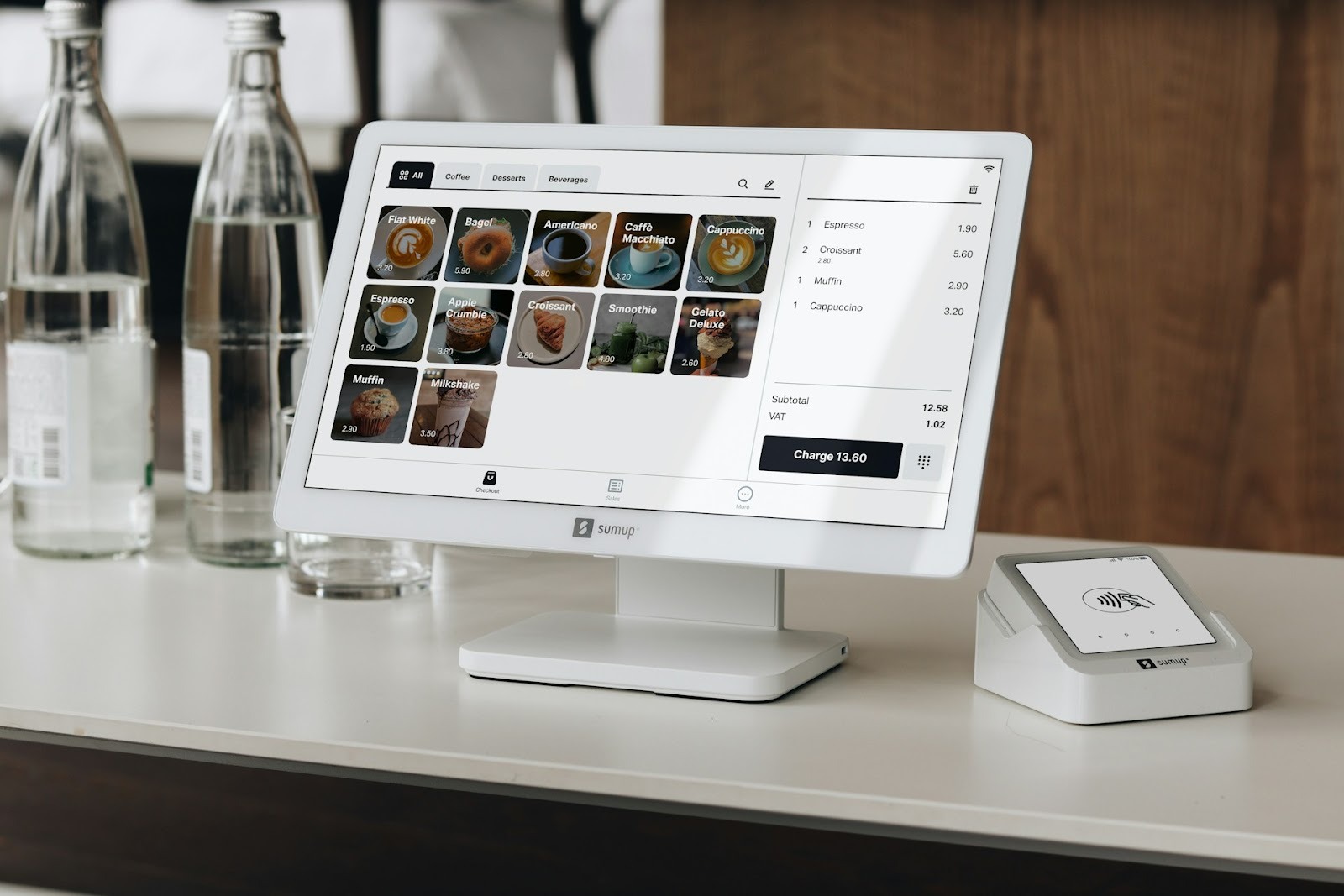


E-commerce is no longer just a convenience; it has become a central part of how businesses operate in Gedling and beyond. Local shops are adapting to digital technologies to reach wider audiences, manage inventory efficiently, and provide seamless shopping experiences. Consumers now expect fast, easy access to products, and those who fail to adapt risk losing relevance in an increasingly competitive market. From clothing boutiques to speciality food stores, digitisation is redefining how business is conducted on a daily basis.
Digital Transformation Across Industries
Various industries have been revolutionised by digitisation. Retailers now rely on automated inventory systems, data-driven marketing, and multi-channel sales approaches. The entertainment sector has shifted significantly, offering streaming services and online events that allow users to engage without leaving their homes.
Even online casinos are part of this trend, providing instant access to games and virtual experiences. No KYC casinos have become particularly popular among privacy-conscious players. These platforms allow quick sign-ups, anonymous transactions, and streamlined interfaces, all of which make them appealing to users who prioritise privacy and convenience. Their growth highlights the broader demand for services that combine speed, security, and accessibility.
Amid this broader push for digitisation, conventional shopping experiences in physical stores are slowly being phased out. The future may look like a very different world from a commercial standpoint. These trends point to a world where all shopping may one day take place online rather than in person.
Enhancing Local Shop Visibility
For now though, physical stores are still very much a part of the equation. That means, for Gedling shops, digital tools can dramatically increase visibility. Online marketplaces, social media campaigns, and targeted advertising ensure that local businesses can compete with larger chains. Search engine optimisation, email marketing, and app-based notifications help shops reach both residents and visitors.
Enhanced analytics allow shop owners to understand customer preferences and optimise stock levels accordingly. This data-driven approach creates a more personalised experience for shoppers while improving operational efficiency. Customers benefit from smoother browsing, quick ordering, and prompt delivery, making online engagement an essential component of modern commerce.
Streamlining Payments and Customer Interaction
Payment systems are evolving alongside e-commerce platforms. Contactless payments, digital wallets, and subscription-based services allow customers to transact securely and conveniently. Communication with buyers has also been enhanced through chatbots, live chat support, and automated messaging.
For local shops, these technologies reduce the need for manual processing and create a more professional image. Customers now expect seamless payment options and rapid support, and those expectations extend to all online services. Integrating flexible payment methods and digital communication tools can give small retailers a competitive edge in a crowded market.
Planning for Long-Term Growth
The future of e-commerce in Gedling is closely tied to innovation and adaptability. Shops that embrace digital tools are better positioned to respond to changing consumer behaviour, economic shifts, and emerging trends. Expanding product lines online, engaging with new demographics through social media, and experimenting with digital marketing campaigns are all essential strategies.
By monitoring performance metrics and customer feedback, businesses can refine their approach to create more efficient, enjoyable, and profitable experiences. The integration of technology into everyday business operations is not a passing trend; it is a long-term shift that will continue to shape the commercial world for years to come.