


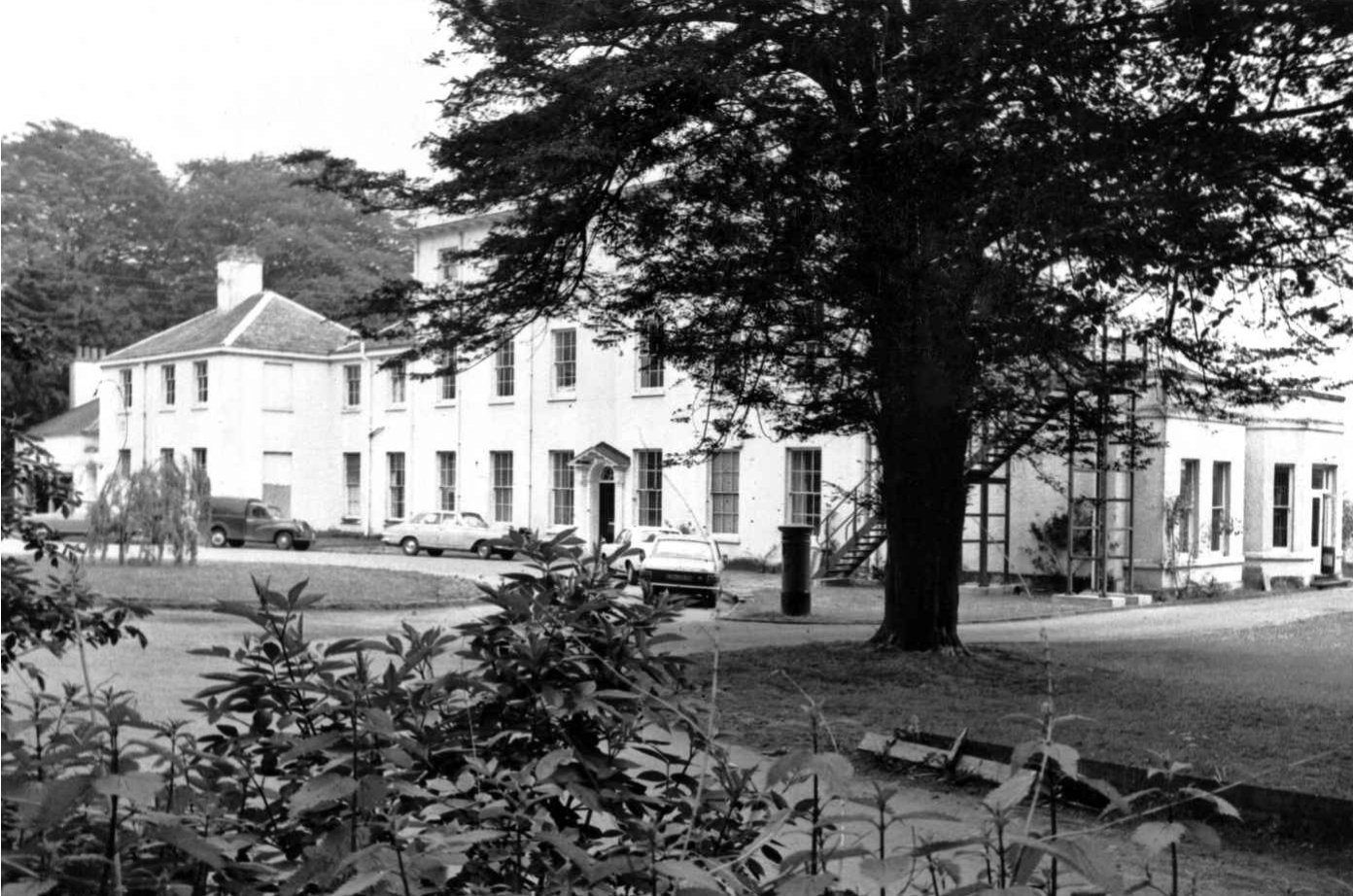

Standing on Wood Lane and overlooking the valley of Gedling, Gedling House is one of the most significant historic buildings in the borough. For more than two centuries it has been home to wealthy industrialists, landowners, civic institutions and, more recently, a Buddhist meditation centre. Its story mirrors the changing fortunes of Gedling itself, from a small rural village to a modern suburban community.
Origins in Georgian Nottinghamshire
Gedling House was built around 1780 during the reign of King George III. At that time Gedling was a relatively small settlement, and the house formed part of a larger estate owned by Thomas Smith (1743-1817), a member of Nottingham’s influential Smith banking family. The Smiths were among the most powerful families in Nottinghamshire and expanded their holdings through land acquisitions associated with the Gedling Enclosure Award of 1794.
The house was designed as a substantial country residence, reflecting the prosperity and ambitions of the Georgian era. Research into the building’s history has suggested that its development was influenced by architectural trends of the late eighteenth century and by notable local builders and designers working in Nottinghamshire at the time.
In 1803, Thomas Smith sold the estate to William Elliott Elliott. The Elliott family retained ownership for more than a century, helping to establish the house as one of the principal residences in the district.
A House of Prominent Families
Throughout the nineteenth and early twentieth centuries, Gedling House was associated with a succession of wealthy and influential Nottinghamshire families. Ownership and tenancy frequently passed between figures who played important roles in business, public life and the military.
In 1908 the estate was sold to Walter H. Rawnsley, whose family remained owners until 1955. During much of this period the house was leased rather than occupied by the owners themselves. One of its most famous residents was Sir John Turney, the Nottingham industrialist behind Turney Brothers leather works, who lived there between 1908 and 1927.
Turney’s grandson, the writer Nicolas Monsarrat, later recalled family life at Gedling House in his autobiography Life is a Four Letter Word, providing a vivid glimpse of Edwardian and First World War society within the grand house.

Behind the scenes, Gedling House also supported a large domestic workforce. Like many country estates of the era, it employed butlers, maids, gardeners, gamekeepers and farm workers, making it an important source of local employment.
Architecture and Design
Today Gedling House is a Grade II listed building, first listed in 1950 because of its architectural and historic significance.
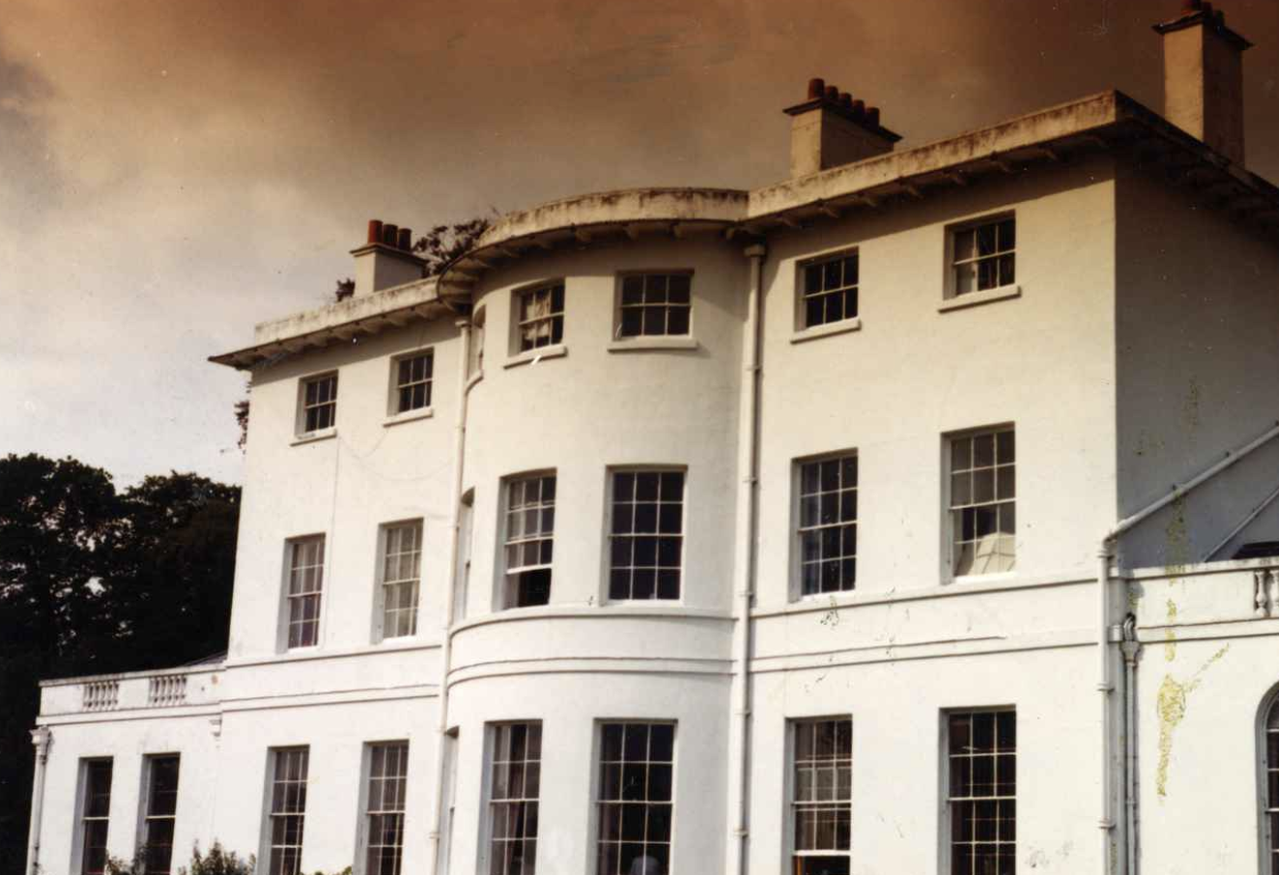
The building largely dates from the early nineteenth century, with further Victorian additions. Historic England describes a stuccoed brick house with elegant Georgian proportions, hipped slate roofs, decorative parapets and a striking central bow on the south front. Internally, notable features include a panelled entrance hall, a cantilevered staircase, classical fireplaces and a late nineteenth-century ballroom.
The estate once extended to around 70 acres and included woodland, gardens, service buildings and agricultural land. Much of this landscape helped shape the character of modern Gedling House Woods.
War and Public Service
During the Second World War, Gedling House took on a national role when it was used to accommodate members of the War Cabinet. This marked a significant departure from its earlier life as a private country residence.
A decade later, in 1955, the property entered public ownership when it was purchased by Carlton Urban District Council, later Gedling Borough Council. Over subsequent decades the building served a variety of community purposes, including housing council departments, educational services, a museum and a wedding venue. Parts of the building were also adapted for modern uses, including a children’s nursery.
Although altered to meet changing needs, many original historic features survived these transitions.
Decline and Revival
As local government services moved elsewhere, Gedling House entered a period of uncertainty and decline. For many residents, the once-grand mansion became a familiar but increasingly neglected landmark. Meanwhile, the surrounding woodland became an important community asset, with the Friends of Gedling House Woods playing a key role in its management and conservation from 2003 onwards.
A new chapter began in the early 2020s when the house was acquired by the Kadampa Meditation Centre Nottingham. Following restoration and adaptation works, the building reopened as a Buddhist meditation centre, ensuring the long-term future of one of Gedling’s most important historic buildings.
The iconic house’s legacy
Gedling House remains a remarkable survivor from Nottinghamshire’s Georgian past. Over more than 240 years it has evolved from an aristocratic country seat into a public building and finally a modern spiritual and community centre. Through every phase, it has remained closely woven into the history of our borough itself.
- We feature stories from Gedling borough’s past in our premium newsletter ‘Back in the Day’. You get two newsletters a week for just £3 a month. You can sign up HERE