
Home Blog Page 6

Online Bingo Formats: A Detailed Comparison of Gameplay and Features

Online bingo games often share the core objective of matching numbers on cards to win, but significant variations in game formats influence player experience. Differing approaches in number presentation, card selection, player interaction, and round progression shape how gameplay unfolds. While some games feature live hosts, voice announcements, and player chat options, others depend on automated number draws coupled with on-screen indicators. These elements combine to affect how players follow rounds, track cards, and navigate interfaces.

A review of the GameZone platform on October 19, 2026, revealed a wide range of options, listing 53 distinct bingo titles. This variety offers an opportunity to analyze how varying formats function and affect gameplay, without assuming homogeneity across all bingo games.

Contrasting Live-Hosted and RNG-Based Bingo Formats

The fundamental division in online bingo formats lies between live-hosted games and those powered by Random Number Generators (RNG).

  • Live-Hosted Bingo:
    This format centers on a real-time host who calls numbers during rounds. Players often listen to audible announcements while numbers simultaneously appear on screen. Additional social features like chat rooms allow player interaction, creating a dynamic game environment reminiscent of traditional bingo halls.
  • RNG-Based Bingo:
    These games operate entirely through automated systems that generate and display calls visually on the interface with no human host or vocal calls. Gameplay relies on digital cues, requiring players to monitor number displays and status indicators to track progress.

Side-by-Side Feature Overview

FeatureLive-Hosted BingoRNG-Based Bingo
Number PresentationLive calling by a host with rolling numbersAutomated number draws shown on-screen
Voice AnnouncementsTypically availableGenerally absent
Player InteractionChat functionality often enabledMostly interface-driven interaction
Card SelectionOptions for random cards or DIY card creationPlayers choose card quantity
Round ProgressionFrequently transitions automaticallyUsually automatic progression

User preference often dictates choice between these formats. Those favoring verbal cues and social aspects tend toward live-hosted styles, while players comfortable with visual data may prefer RNG-based games. Presentation differences reflect user interface style rather than inherent advantages, and feature availability varies individually.

Examples from the GameZone review site include Mega Bingo and Bingo Rush as live-hosted games, while PacMan’s Bingo Boom, Heat Bingo, Jackpot Bingo, Bingo Boom, and iRich Bingo exemplify RNG-driven variants.

Examining Card Selection and Number Marking Features

Player preparation for a round begins with card selection options. Live-hosted games reviewed allowed selection of randomly generated cards or custom “do-it-yourself” cards. Card types could be selected, and purchases made within the interface before play commenced.

RNG-based titles mainly offered flexibility in the number of cards players could use, with control layouts differing between games. Checking each game’s screen interface is recommended to understand available card-related options.

Automatic number marking reduces the manual effort of tracking marked numbers during the game. Observations indicated RNG-based games frequently apply automatic markings when numbers are called. However, this feature’s functionality may vary and should not be presumed consistent across all games.

Indicators representing valid winning patterns assist players in identifying legitimate card combinations recognized by the game. Visibility and placement of these markers can differ markedly, making it prudent to study rules and instructions prior to gameplay.

Number Display Methods and Round Progression Dynamics

Methods for displaying called numbers influence how effectively players follow the action. Live-hosted formats often combine auditory calls with visual number animations, delivering a multisensory tracking experience subject to individual player preferences.

RNG-based bingo games primarily rely on digital number displays within the interface. Some titles supplement this with a history or log showing previously drawn numbers, enabling players to review progress. This feature’s presence and its location are not standard across all games and should be verified in the specific interface.

The pacing of rounds depends on how swiftly numbers are called, the amount of interface information, and whether games automatically commence a new round after one ends. Both live-hosted and RNG-based games reviewed demonstrated automatic progression, simplifying continuous play but requiring attention to on-screen prompts regarding pausing or exiting rounds. Understanding navigation controls before play prevents unintentional game continuation or loss of progress.

Essential Features to Assess Before Selecting an Online Bingo Game

Choosing an online bingo game involves evaluating multiple key facets beyond presentation style:

  • Number Presentation: Identification of whether number calls utilize hosts, automation, or a combination of both audio and visual cues.
  • Card Options: Availability of card quantities, random card assignment, do-it-yourself customization, and any game-specific restrictions.
  • Marking and Call History: Presence of automatic number marking and access to a list or history of called numbers.
  • Winning Patterns: Clarity about accepted winning card patterns with visible guides or instructions.
  • Round Controls: Whether rounds start automatically and options for pausing, exiting, or returning to menus.
  • Interface Usability: Ease of locating essential game elements such as card displays, called numbers, and instructional details.

Focusing on observable features facilitates more informed choices without assuming outcomes based on format labels. The presence of a live host does not inherently improve user experience, nor does automation simplify gameplay universally. Ideal format selection depends on the interface design, feature set, and individual player preference.

Cost considerations, play requirements, and official game rules remain important alongside understanding game mechanics. Responsible participation encourages self-imposed limits on time and spending, coupled with taking breaks and stopping when gameplay ceases to be enjoyable. Separating feature evaluation from win expectations contributes to healthier gaming habits.

FAQs

Q1: How do live-hosted and RNG-based bingo formats differ?
Live-hosted formats include a real-time host with spoken announcements and chat capabilities. RNG-based games depend on software for random draws presented through visual interfaces only. Features vary by individual titles.

Q2: Do all online bingo games mark numbers automatically?
No. Some games, notably RNG-based, include automatic marking while others may require manual tracking. Players should consult game instructions before playing.

Q3: Is access to previously called numbers standard?
A number of games provide history or display previously drawn numbers. This feature’s availability and position vary, making it important to review specific game interfaces.

Work gets under way on £100k Papplewick playground transformation

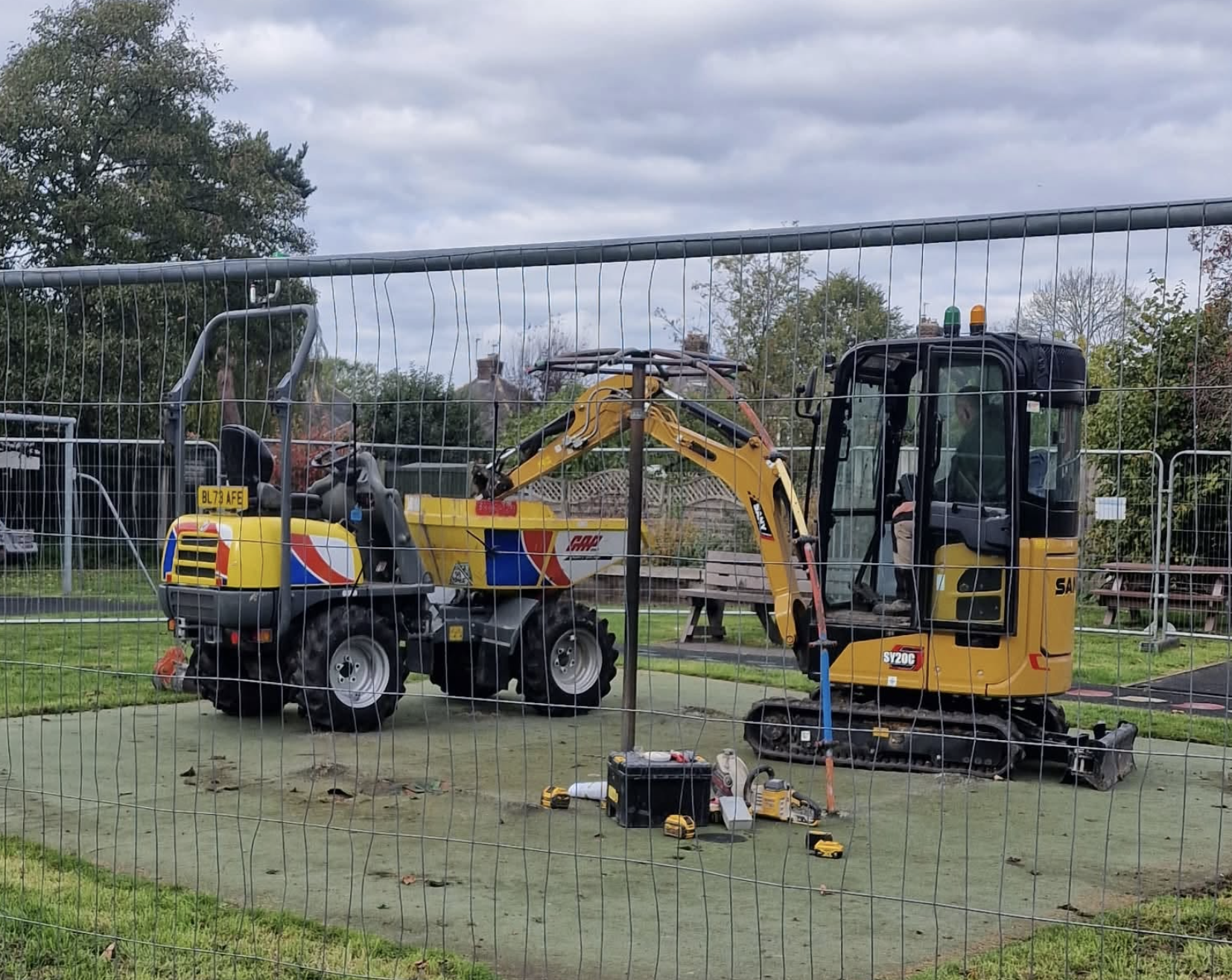
The playground behind Papplewick Village Hall is set for a major makeover, with work now under way on the £100,000 refurbishment.

Construction has started on improvements to the QEII playground on Linby Lane, which will provide new play facilities for children in the village.

The project is being funded by a £100,000 grant from FCC Communities Foundation.

Work on the playground is expected to take around five weeks, with the refurbishment due to be completed by mid-November.

Cllr Carolyn Hesketh, chair of Papplewick Parish Council, welcomed the start of the project.

She said: “It’s great to see our vision becoming a reality. We’re grateful for the support from FCC Communities Foundation.”

FCC Communities Foundation is a not-for-profit organisation which provides grants for community projects through the Landfill Communities Fund, supported by FCC Environment.

Cheryl Raynor, grant manager at FCC Communities Foundation, said: “It’s fantastic to see construction beginning on the QEII playground refurbishment.

“This project will be a wonderful asset for local families, providing high-quality play opportunities and a welcoming space for the whole community to enjoy.

“We are proud to have supported the project and look forward to seeing the positive impact it will have on children, families and residents in Papplewick for many years to come.”

An official opening event is planned for Sunday, December 6, once all the work has been completed, with the whole community invited to attend.

These are the roadworks scheduled to take place across Gedling borough in the coming weeks

Road closures, temporary traffic lights and resurfacing works are among the jobs taking place across Gedling borough over the coming days.

Motorists across Gedling borough could face delays this week, with works planned in Arnold, Carlton, Gedling, Woodthorpe, Lambley, Ravenshead and other parts of the borough.

Here’s our round-up of the roadworks and traffic restrictions to look out for.

Dates and works may be subject to change.

Tuesday, October 20

Carlton Hill, Carlton

October 20–21

Multi-way temporary traffic lights will be in operation while Nottinghamshire County Council carries out core sampling of the carriageway.

Traffic management: Multi-way signals
Delays: Possible

Church Crescent, Arnold

October 20–21

Severn Trent Water works will take place under give-and-take traffic management.

Traffic management: Give and take
Delays: Possible

Hills Road, Woodthorpe

October 20–21

Footway patch repairs will be carried out outside numbers 7 and 8 and opposite number 2.

Traffic management: Some carriageway incursion
Delays: Unlikely

Lambley Lane, Gedling

October 20

Openreach works are planned.

Traffic management: Multi-way temporary signals
Delays: Possible

Longdale Lane, Ravenshead

October 20

Openreach works are planned.

Traffic management: Multi-way temporary signals
Delays: Possible

Lynton Gardens, Arnold

October 20

A six-metre lighting column is being replaced outside number 44.

Traffic management: Give and take
Delays: Possible

Mansfield Road, Bestwood

October 20–21

Street-lighting faults will be repaired and lanterns maintained along the A60 between lamp columns 22 and 48.

Traffic management: Stop/Go boards
Delays: Possible

Wembley Road, Arnold

October 20–22

Openreach works will require some carriageway incursion.

Delays: Unlikely


Wednesday, October 21

Axford Close, Gedling

October 21–22

Severn Trent Water works are planned, with some carriageway incursion.

Delays: Unlikely

Claygate, Carlton

October 21–23

Openreach works are planned.

Traffic management: Some carriageway incursion
Delays: Unlikely

Collyer Road, Calverton

October 21–22

Virgin Media works are scheduled, with no carriageway incursion expected.

Delays: Unlikely

Lee Road, Burton Joyce

October 21–23

Footway patching will take place alongside number 51.

Traffic management: Give and take
Delays: Possible

Milton Drive, Ravenshead

October 21–23

Openreach works will take place ahead of a longer road closure beginning on the road the following day.

Traffic management: Give and take
Delays: Possible

Spring Lane, Lambley

October 21

Bollards on the central refuge are due to be renewed.

Traffic management: Two-way temporary signals
Delays: Possible

Tyburn Close, Arnold

October 21–22

Severn Trent Water works will involve some carriageway incursion.

Delays: Unlikely

Wheatsheaf Court, Burton Joyce

October 21–23

Footway patching will take place opposite Ivy Medical Group.

Traffic management: Give and take
Delays: Possible


Thursday, October 22

Mapperley Plains, Arnold

October 22–23

Street-lighting faults and lanterns are being repaired and maintained along Mapperley Plains between Beedham Way and Nottingham Road.

Traffic management: Stop/Go boards
Delays: Likely

Thoresby Avenue, Gedling

October 22–23

Openreach works are planned.

Traffic management: Give and take
Delays: Possible

Westdale Lane East, Gedling

October 22–23

Footway resurfacing works are planned outside number 190.

Traffic management: Some carriageway incursion
Delays: Unlikely


Friday, October 23

Bagnall Avenue / Oxclose Lane, Arnold

October 23–26

Oxclose Lane is scheduled to close, with Bagnall Avenue forming part of the diversion route.

Carriageway patching repairs are planned between Bagnall Avenue and number 5 Oxborough Road.

Traffic management: Road closure/diversion
Delays: Likely

Broadway East, Carlton

October 23–24

Severn Trent Water works will require a road closure.

Traffic management: Road closure
Delays: Likely

Gedling Road, Arnold

October 23

The road is due to close while Nottinghamshire County Council investigates a sinkhole which has sunk again after being dug out and reinstated in August.

Traffic management: Road closure
Delays: Likely

Glanton Way, Arnold

October 23–24

Severn Trent Water works are planned.

Traffic management: Some carriageway incursion
Delays: Unlikely

Lambley Lane, Gedling

October 23–26

Footway sealing and patching will take place near the entrance to Hilltop Nurseries.

Traffic management: Two-way temporary signals
Delays: Possible

Featherstone Close, Gedling

October 23

Severn Trent Water works are planned with no carriageway incursion.

Delays: Unlikely

Freda Avenue, Gedling

October 23

Severn Trent Water works are planned.

Delays: Unlikely

Grange Road, Woodthorpe

October 23

Severn Trent Water works are planned.

Delays: Unlikely

Gunthorpe Road, Gedling

October 23

Severn Trent Water works are planned.

Delays: Unlikely

Lincoln Drive, Gedling

October 23–26

Severn Trent Water works are planned. One associated permit is listed as cancelled, but a separate permit for these dates remains scheduled.

Delays: Unlikely

Lorimer Avenue, Gedling

October 23

Severn Trent Water works are planned.

Delays: Unlikely

Orchard Rise, Lambley

October 23

Severn Trent Water works are planned.

Delays: Unlikely

Steeles Way, Lambley

October 23

Severn Trent Water works are planned.

Delays: Unlikely

Trinity Crescent, Lambley

October 23

Severn Trent Water works are planned.

Delays: Unlikely

Windermere Close, Gedling

October 23

Severn Trent Water works are planned.

Delays: Unlikely


Monday, October 26

This looks likely to be the busiest day of the period, with several significant schemes beginning across Arnold, Mapperley, Woodthorpe, Carlton and Colwick.

Killisick Road, Arnold

October 26–30

The road is scheduled to close for carriageway resurfacing between Parry Way and Gleneagles Drive.

Temporary parking restrictions will also be in place.

Traffic management: Road closure
Delays: Likely

Mansfield Road, Arnold

October 26–27

A road closure is planned, with a diversion route in operation.

Traffic management: Road closure
Delays: Likely

Nottingham Road, Arnold

October 26–28

Severn Trent Water works will take place.

Traffic management: Give and take
Delays: Likely

Road No 1, Colwick

October 26–28

Severn Trent Water works are scheduled.

Traffic management: Multi-way temporary signals
Delays: Likely

Station Road, Carlton

October 26–29

Severn Trent Water works will require temporary traffic lights.

Traffic management: Two-way temporary signals
Delays: Likely


Tuesday, October 27

Deabill Street, Netherfield

October 27–29

Severn Trent Water works are planned.

Traffic management: Give and take
Delays: Possible

Coppice Road, Arnold

October 27–28

Severn Trent Water works are planned with no carriageway incursion expected.

Delays: Unlikely

Mansfield Road, Daybrook

October 27

Utility works are planned with no carriageway incursion.

Delays: Unlikely

Tilford Road, Newstead

October 27–28

Network Rail Infrastructure works will require the road to be closed.

Traffic management: Road closure
Delays: Likely

Tunstall Road, Woodthorpe

October 27–28

Openreach works are planned.

Traffic management: Give and take
Delays: Possible


Longer-running works

Milton Drive, Ravenshead

October 22–November 20

Milton Drive is scheduled to close for microsurfacing, ironwork adjustments and road-lining works along its whole length.

Milton Crescent is listed as part of the diversion route.

Traffic management: Road closure
Delays: Likely

Beech Avenue, Woodthorpe

October 26–November 16

Cadent is replacing older gas pipes with new plastic pipes.

A road closure and temporary parking restrictions are planned, with Plains Road listed as part of the diversion route.

Traffic management: Road closure
Delays: Likely

Hazel Grove, Mapperley

October 26–November 16

Another phase of Cadent’s gas-main replacement programme will require Hazel Grove to close.

Plains Road is listed as part of the alternative diversion route.

Traffic management: Road closure
Delays: Likely

Central Avenue, Mapperley

October 26–November 16

Temporary parking restrictions are due to be introduced.

Traffic management: Temporary parking restriction
Delays: Likely

Plains Road, Mapperley

October 26–November 24

Cadent will be replacing old gas pipes in the area.

Traffic management: Lane closure
Delays: Likely

Westdale Lane West, Mapperley

October 26–November 11

Gas-main replacement works by Cadent are planned.

Traffic management: No carriageway incursion currently listed
Delays: Unlikely

Thackerays Lane, Woodthorpe

October 26–December 4

One of the longest schemes in the latest list will see a new puffin crossing installed on Thackerays Lane, close to the bend near Sandfield Road.

The work will also include new road surfacing and lining.

Traffic management: Multi-way temporary signals
Delays: Possible

New electric buses set to boost services through Gedling and Mapperley under £9.1m investment plan

Residents in Gedling and Mapperley could soon see more electric buses on local roads under plans for a £9.1 million investment in Nottingham City Transport’s fleet.

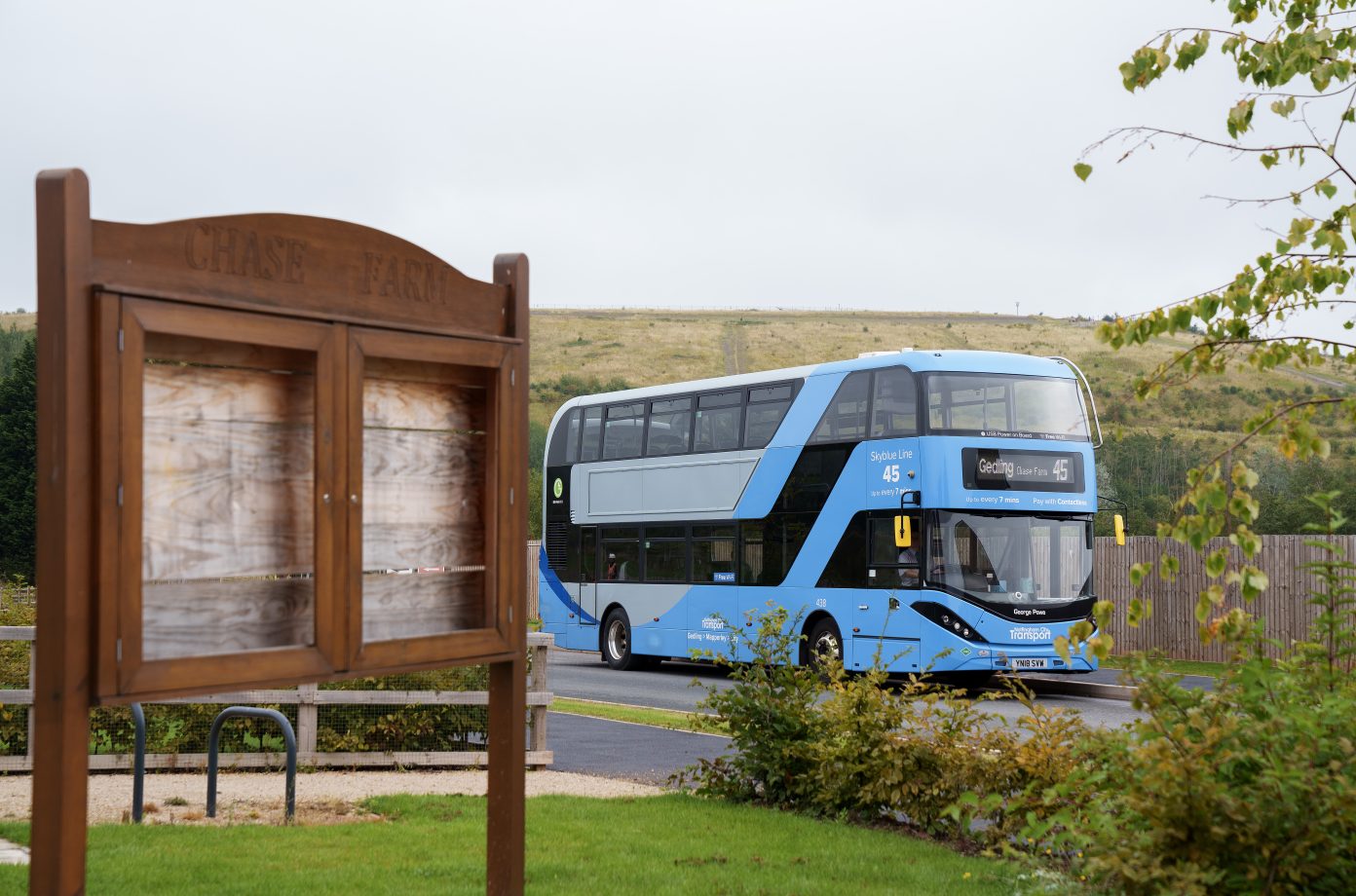
The proposal, which has been recommended for approval by the East Midlands Combined County Authority (EMCCA), would fund 17 new electric double-decker buses for NCT’s Pink 28 and Sky Blue 60 routes, both of which serve communities in Mapperley, Gedling and the growing Chase Farm development.

If approved, the project would represent the second phase of Nottingham City Transport’s move towards a fully electric fleet, replacing older diesel vehicles with cleaner, quieter buses while expanding charging infrastructure at the operator’s Parliament Street depot.

What it means for Gedling and Mapperley

The Sky Blue 60, which connects Nottingham city centre with Mapperley and Chase Farm, would be one of the key beneficiaries of the investment. The route plays an increasingly important role in serving new housing growth in Gedling Borough, particularly around the expanding Chase Farm development.

Meanwhile, the Pink 28 serves major commuter corridors linking the city centre with Beechdale and Bilborough, with both routes expected to operate entirely with the new electric vehicles.

The scheme is designed to cut emissions along busy routes including Woodborough Road and Shelford Road, key transport corridors used daily by thousands of residents travelling to and from Mapperley and Gedling.

£3.1m requested from EMCCA

The total project cost is estimated at £9.09 million, with Nottingham City Transport funding almost two-thirds of the scheme itself.

EMCCA has been asked to contribute £3.1 million, while NCT would provide the remaining £5.99 million.

The money would fund:

  • 17 new electric double-decker buses
  • 12 additional charging points at the Parliament Street depot
  • New traffic signals to support depot operations
  • Further electrification works to support the growing zero-emission fleet

The business case sets aside approximately £8.23 million for the buses themselves and a further £860,000 for charging infrastructure.

Building on earlier investment

The latest proposal follows an earlier phase of depot electrification that introduced 19 electric double-decker buses into service.

Should the second phase go ahead, Nottingham City Transport would operate a total of 36 electric double-deckers, marking a significant shift away from diesel vehicles across parts of the network.

Cleaner air for communities

One of the main aims of the scheme is improving air quality by removing older diesel buses from the roads.

The routes pass through Nottingham’s Air Quality Management Area before serving suburban communities including Mapperley and Gedling, meaning local residents could benefit from lower emissions alongside quieter bus journeys.

The business case also highlights lower fuel and maintenance costs associated with electric vehicles, although assessors have requested more detail on the overall carbon savings before final approval is granted.

Approval still required

The scheme has already secured backing from EMCCA’s Investment Panel, but final funding approval has not yet been confirmed.

Before money can be released, Nottingham City Transport must provide additional information, including updated carbon assessments, governance arrangements and procurement plans for the proposed traffic signals.

If funding is approved, work is expected to continue through 2026 and 2027, with the new buses entering service during summer 2027.

How Independent Businesses Can Stand Out in a Competitive Local Market

Independent businesses face increasing competition from national chains, online retailers, and other local companies offering similar products or services. While larger organisations often have bigger marketing budgets, smaller businesses possess unique advantages that can help them attract loyal customers and establish a strong local presence.

Standing out requires more than competitive pricing. It involves building meaningful relationships, communicating a clear identity and consistently delivering value.

Develop a Distinctive Brand Identity

A recognisable brand helps customers understand what makes a business different. Independent companies should identify their strengths, values and unique selling points before developing their marketing strategy.

Whether it’s exceptional customer service, specialist knowledge or locally sourced products, highlighting these qualities creates a memorable impression.

Consistency across websites, social media profiles, signage and promotional materials also strengthens brand recognition. Customers are more likely to remember businesses that communicate a clear and authentic message.

Build Strong Relationships Within the Community

One of the greatest advantages independent businesses have is their ability to establish genuine connections with local customers. Taking part in community events, supporting neighbourhood initiatives and collaborating with nearby businesses can increase visibility while demonstrating commitment to the area.

Personalised customer service also plays an important role. Remembering regular customers, understanding their preferences, and responding thoughtfully to feedback can encourage repeat business. These relationships often generate valuable word-of-mouth recommendations, helping independent companies reach new audiences without substantial advertising expenditure.

Strengthen Your Online Presence

Even businesses serving a small geographical area need a professional digital presence. Potential customers frequently search online before deciding where to shop, eat, or purchase services.

An informative website, accurate business listings, and regularly updated social media accounts make it easier for people to discover local companies. Search engine optimisation can improve visibility for location-specific searches, while customer reviews give reassurance to prospective buyers. Publishing helpful content that answers common questions can also demonstrate expertise and encourage visitors to engage with the business.

Use Public Relations to Build Credibility

Positive publicity can help independent businesses establish authority and distinguish themselves from competitors. Sharing company achievements, community involvement, expert insights, and interesting business stories creates opportunities for media coverage.

Working with a digital PR agency can help businesses develop compelling stories, secure relevant coverage, and strengthen their reputation online. Unlike traditional advertising, credible third-party mentions can provide additional reassurance to customers who are unfamiliar with a company.

Deliver an Exceptional Customer Experience

A memorable customer experience is often more influential than an expensive advertising campaign. Independent businesses can differentiate themselves by offering attentive service, responding quickly to enquiries, and resolving problems professionally.

Small gestures, such as personalised recommendations or thoughtful follow-up messages, can leave lasting impressions. Encouraging satisfied customers to share reviews and recommend the business further strengthens its reputation within the local community.

Focus on Long-Term Reputation

Success in a competitive local market rarely happens overnight. Independent businesses must consistently demonstrate reliability, authenticity, and commitment to customer satisfaction. By combining distinctive branding, community engagement, digital visibility, and exceptional service, smaller companies can build lasting competitive advantages.

What is making more people eat out in 2026?

With household budgets still under pressure, you might expect restaurants to be struggling to attract customers. Yet many people are still making room for meals out, even if they’re a little more selective about where they spend their money. Eating out has become about much more than avoiding the washing-up. It’s a chance to spend time with loved ones, discover new flavours and enjoy something that feels different from the everyday routine. As dining habits continue to evolve in 2026, several factors are helping restaurants remain an important part of British social life.

People Are Looking for Experiences, Not Just Meals

A good meal has always been a reason to visit a restaurant, but increasingly, diners want the whole evening to feel worthwhile. Atmosphere, service, and the chance to enjoy somewhere different can matter as much as what’s on the menu. According to OpenTable’s 2026 Dining Trends Report, 39% of British diners believe a restaurant’s atmosphere is as important as its food and drink. This shift suggests people aren’t simply paying for dinner, but for the experience around it. That might mean choosing somewhere with a lively atmosphere for a birthday celebration or finding a cosy restaurant where friends can catch up without feeling rushed.

Trying Different Cuisines Has Become Part of the Appeal

Another reason people enjoy eating out is the opportunity to explore food they wouldn’t necessarily cook themselves. While home cooking offers comfort and familiarity, restaurants can introduce diners to ingredients, techniques and flavour combinations that make a meal feel like an occasion.

Indian cuisine is a good example, offering everything from rich, slow-cooked curries to fragrant rice dishes and freshly prepared tandoori favourites. For anyone exploring Bristol’s food scene, visiting an Indian restaurant in Clifton Bristol, such as Urban Tandoor, offers the chance to enjoy these flavours without spending hours preparing them at home. There’s also the pleasure of discovering a new favourite dish, which can be reason enough to return.

Busy Lifestyles Make Convenience More Appealing

For many households, finding time to cook is becoming just as challenging as deciding what to eat. Between work commitments, family responsibilities and social plans, evenings can disappear surprisingly quickly. Eating out offers a welcome break from that routine. Instead of rushing home to prepare dinner, people can sit down, relax, and enjoy a meal without thinking about the clearing up afterward. It’s especially appealing when meeting friends or family, as everyone can enjoy the occasion.

Diners Are Becoming More Selective About Spending

Of course, the cost of living still influences people’s decisions. Rather than eating out on impulse, many are choosing restaurants more carefully and seeking experiences that justify the cost. Research from Lumina Intelligence in 2026 suggests that while overall participation in eating out has declined, spending per visit has increased. This points towards a more considered approach, with customers prioritising quality and memorable occasions over simply going out more often. Restaurants offering good food, welcoming service and genuine value are particularly well placed to appeal to these customers.

Social Connections Remain a Powerful Motivation

Perhaps the biggest attraction of eating out hasn’t changed: sharing a meal brings people together. Whether it’s a family gathering, a long-overdue catch-up or an evening with a partner, restaurants provide a setting where people can give each other their attention without everyday distractions.

Although dining habits are changing, that desire for connection remains strong. In 2026, people may think more carefully about when and where they eat out, but the pleasure of good food and good company is hard to replace.

Fines for those playing loud music and videos on speaker on public transport announced

Passengers who engage in antisocial behaviour on buses could face fines of up to £100 under new government measures announced today, while a national rail campaign will target the growing problem of people playing music and videos aloud on trains.

New guidance issued to local authorities on 19 October outlines how councils can use powers introduced under the Bus Services Act 2025 to tackle nuisance behaviour on bus services. The measures will allow transport authorities to enforce local byelaws covering offences including loud music, littering, vaping and threatening behaviour.

Under the new framework, authorised officers, transport safety personnel and police officers will be able to issue fixed penalty notices of up to £100. Bus drivers will not be responsible for enforcement.

Officers dealing with incidents will be expected to follow a three-stage process: engaging with passengers, explaining the rules and their impact on others, and taking enforcement action where individuals refuse to comply.

Alongside the bus measures, the government has launched a nationwide campaign aimed at reducing so-called “loudcasting” on trains, where passengers play music, videos or other audio through phone speakers instead of using headphones.

The campaign, carrying the slogan “share the carriage, not the noise”, will be rolled out across rail operators through station announcements, onboard messaging, websites and social media channels.

Passengers who refuse requests from rail staff to stop playing audio out loud could be removed from services at the next station. Under existing railway byelaws, offenders can face fines of up to £1,000.

Prime Minister Andy Burnham said the campaign would address one of the most common frustrations reported by rail passengers.

“We’ve all been on the train when someone starts blasting music or videos from their phone. It gets on your nerves and can quickly spoil the journey,” he said.

Transport Secretary Heidi Alexander said even relatively minor acts of antisocial behaviour could have a significant impact on the travelling public.

“It is so frustrating when the actions of an inconsiderate few spoil journeys for the rest of us, whether that is vaping, littering or blasting music out loud,” she said.

The government said the rail campaign would replace a patchwork of individual operator initiatives with a single national message across the rail network. Ministers argue that a more joined-up approach will help improve passenger experiences and reduce disruptive behaviour.

The powers allowing local transport authorities in England to introduce and enforce byelaws against nuisance behaviour came into force on 5 August 2026. Any local byelaws introduced under the scheme must receive approval from the Secretary of State before they can be enforced.

Richard Parker, Mayor of the West Midlands, welcomed the move, saying antisocial behaviour including loud music, shouting, littering and vaping can undermine passenger confidence and comfort across transport networks.

The measures have also been backed by transport campaign groups. Ben Plowden, chief executive of Campaign for Better Transport, said antisocial behaviour can put some people off using public transport altogether, particularly passengers with accessibility requirements.

The government says the new enforcement powers and rail awareness campaign form part of wider efforts to improve everyday journeys and make public transport cleaner, quieter and safer for passengers.

BREAKING: Man’s body found outside property in Burton Joyce

Detectives are investigating after a man’s body was found outside a property in Burton Joyce.

Officers were called to an address in Lambley Lane at 7.24pm on Wednesday (14).

Detective Inspector Clare Gibson, of Nottinghamshire Police, said:

“We are working to understand the circumstances of this man’s death, which is currently being treated as unexplained.

“We believe this to have been an isolated incident that poses no risk to the wider community.

“The man’s family has now been informed and our thoughts are with them at this sad time.”

Anyone with any information is asked to call the police on 101, quoting incident 654 of 14 October 2026. Crimestoppers can also be contacted anonymously on 0800 555 111.

Arnold’s £100k woodland playground makeover officially opens – and it’s built for every child

A brand-new £100,000 play area has opened in Arnold, giving local families an upgraded space packed with climbing frames, accessible equipment and sensory play features.

The revamped playground at Church Lane Park was officially unveiled on Wednesday (14 October) with a ribbon-cutting ceremony attended by the Mayor of Gedling, councillors, community volunteers and project partners.

Funded by FCC Communities Foundation, the refurbishment has transformed the site into a woodland-themed play space designed to be more inclusive, ensuring children of different ages and abilities can play side by side.

Among the new attractions are two multi-play climbing structures for younger and older children, new swings, a wheelchair-accessible roundabout and an exercise trail. The playground also features sensory and imaginative play panels, alongside a sign-language communication board. The park’s popular zip wire has also been refurbished as part of the project.

Opening the play area, Mayor of Gedling Councillor Sandra Barnes spoke about her personal connection to the park.

She said: “Church Lane Recreation Ground holds many happy memories for me. I grew up nearby on Redhill Road and spent lots of time playing here and watching Arnold St Mary’s Football Club, so it’s particularly special to return and officially open the refurbished play area.

“I’m overjoyed that a new generation of children and families will now get to enjoy the park and make their own memories here.”

The project was made possible through funding from FCC Communities Foundation, which supports community projects through the Landfill Communities Fund.

Cheryl Raynor, Grant Manager at FCC Communities Foundation, said the charity was delighted to support the transformation.

She said: “This project has created an inclusive and engaging environment where children of all ages and abilities can play, learn and socialise together. We’re proud to have worked with Gedling Borough Council and the Friends of Church Lane Park to create a facility that will benefit families for years to come.”

The funding bid was developed jointly by Gedling Borough Council and the Friends of Church Lane Park, following consultation with local residents. Feedback highlighted a strong desire for a more accessible play area, including equipment suitable for children with special educational needs and disabilities.

Leanne Gilchrist, Chair of the Friends of Church Lane Park, said: “We’re thrilled to see the refurbished play area officially open and available for local families to enjoy.

“This project has only been possible thanks to the support of the local community, FCC Communities Foundation and Gedling Borough Council. It’s wonderful to see the plans come to life and to know children will benefit from these improvements well into the future.”

Councillor Viv McCrossen, Gedling Borough Council’s Portfolio Holder for Climate Change, Parks and Environmental Health, said the new facilities would encourage more children to get active outdoors.

Meanwhile, Councillor Kathryn Fox, Portfolio Holder for Life Chances and Vulnerability, said inclusion had been at the heart of the project from the beginning.

She added: “The new equipment has been designed so that more children can enjoy the play area together, including children with special educational needs and disabilities. Having places where youngsters can play and build friendships is so important, and this playground will help ensure that no one feels left out.”

Ravenshead residents say village would be ‘wrecked’ by hundreds of potential homes

Residents in Ravenshead fear increased traffic and flooding if farmland near their homes is used to build hundreds of homes.

Gedling Borough Council’s Local Development plans show it could grow by nearly 1,000 homes, with land at Silverland Farm on the north side of Main Road provisionally allocated for up to 750 homes.

Proposed developments off Nottingham Road and Kighill Lane could add another 50 and 120 homes.

Now, housebuilder Bloor Homes has lodged its interest in potentially building 560 homes on the Silverland Farm land by asking the council for an Environmental Impact Assessment screening opinion – essentially asking the council whether it believes a development would have an impact on the environment.

Developers usually request these before formally submitting an official ‘outline’ planning application for a development.

Ravenshead resident Shaun Joyce says his business, New Farm Fuels, off Main Road, will be left “in a bit of a pickle” if the nearby fields are built on, adding, “I know we’re going to get complaints about noise”, referring to the machinery used on site.

Mr Joyce’s work yard and land, including his home, have flooded terribly on two occasions in the past, when run-off from the farm fields caused by rain once left him clearing “30 tonnes” of soil from the yard.

He and his family were also previously left with raw sewage, including toilet roll and sanitary products, outside their homes before Severn Trent improved the system underground.

He said: “[Development] would completely wreck us to be honest… It’s not an exaggeration; it’s going to cause us a lot of problems.

“One of the main problems will be the main sewers that run straight down the middle of the main road – they can’t cope now. 

“The soil and the silt off next door’s field – it came probably about 20 feet from our main gate, and we took about 30 tonnes of soil off the whole yard. Every time it rains, we just don’t know what to do; we just keep everything crossed. 

“I don’t see how, when we’ve got fields at the minute which naturally soak [rainwater], when you start putting driveways and roadways in, it’s going to be even worse for us.”

With the company acting as a coal merchant and as a firewood supplier for more than 20 years, flooding has meant they have had to restart their processes at times.

His partner, Dawn Joyce, said: “As we dry the wood out, the wood goes into the barns, but when the water gets in, that means they’re getting wet again, so you’re having to start the process again.”

The couple say developers have previously offered to buy their land, but they say they want “nothing to do with it”.

David Mason, 77, who has lived nearby for 45 years, said the village is getting “miles too big now”.

He says that at around 5pm, it can take people about 25 minutes to travel from the Larch Farm junction to Summercourt Drive, a distance of about half a mile.

He said: “I can’t get to see a doctor now. I contacted to see a doctor six weeks ago now – I haven’t heard anything.”

Mr Mason’s daughter, Dawn Mason, 45, said: “I get why they want to build houses, but it needs to be social houses, they’re the people who are missing a home – Ravenshead isn’t for social housing.

“When I was growing up here, I had friends up and down the road, I’d go across the road and to a friend’s house, we were all brought up together in a real nice community – the community is still there but times have changed.”

Some residents said that Ravenshead feels that the village is starting to feel more like a town.

One person, who asked not to be named, but has lived in the area for 40 years, said: “When I moved here, it was a small village.

“It’s had a lot of building, it’s grown as a village – it’s a very large village, but we’ve still got the same infrastructure.

“There’s a bottleneck at the Larch Farm traffic lights… I’m for the housing targets, but in terms of proportion.”

Councillor Stuart Bestwick (Con), who represents the Newstead Abbey ward on the borough council and the Newstead division on Nottinghamshire County Council, says a barrister is being employed to prepare a case against development in the village.

He said: “We’re opposed to this particular development, it’s on greenbelt, it’s on high-grade farmland, it’s got massive connotations on the impact on traffic – not just to the Larch Farm junction, but a lot of traffic will be tempted to divert through Ravenshead and that will cause problems in other areas as well.

“With flooding on Main Road… I’ve had all the ditches dug out along Main Road and all the grips reinstated, but we’re still getting flooding.

“We do accept Ravenshead has to have some homes, we know it’s likely we’ll get some homes on the corner of Kig Hill and the A60 because we haven’t got so much of a case against those sites. 

“We’ll keep fighting it until the bulldozers turn up.”

Initial planning documents say the Silverland Farm site is “wholly” located in flood zone 1 – a low flood-risk ranking – and that any surface water run-off during potential construction of a housing estate would be managed, and a flood risk assessment would be submitted to the council to support any formal plans.

It is not guaranteed at this stage that homes will be built on the site and the council’s emerging Local Development Plan, along with its housing allocations, has not been approved yet.