Home Blog Page 20

Tips for Selecting the Right Dentist for Your Family

0

Choosing a dentist for your family is an important decision. It is not just about routine check-ups; it is about building a long-term relationship with a healthcare provider who understands your family’s needs, supports preventative care, and creates a positive experience for both children and adults.

If you are looking for guidance, these practical tips will help you select the right dentist with confidence.

1. Look for a Family-Friendly Approach

    A great family dentist should feel welcoming to patients of all ages. From toddlers attending their first appointment to grandparents requiring restorative care, the practice should be equipped to handle different stages of life.

    Check whether the clinic specifically mentions family dentistry. Look for signs that they cater to children, such as gentle communication styles, patient explanations, and a calm atmosphere.

    2. Check Qualifications and Experience

    Your family’s oral health deserves professional expertise. Make sure the dentist is fully qualified and registered with the General Dental Council.

    It is also worth checking how long the practice has been operating and whether the team participates in ongoing professional development. Experienced dentists are better equipped to handle both routine care and unexpected issues.

    If you are based in South London, exploring trusted providers such as the dentists in Balham can be a useful starting point when comparing local options.

    3. Read Reviews From Other Families

    Online reviews can give you valuable insight into how a practice treats its patients.

    Look for comments about:

    • Staff friendliness
    • Waiting times
    • Communication with children
    • Clear explanation of treatments
    • Overall comfort during visits

    Consistent positive feedback from other families is a strong indicator that a dentist values patient care.

    4. Consider Location and Accessibility

    Convenience plays a significant role in keeping up with regular dental appointments.

    Choose a practice that is easy to reach from your home, your child’s school, or your workplace. Check public transport links or parking availability if needed. Also consider opening hours. Flexible appointments, including early mornings or evenings, can make scheduling much easier for busy families.

    5. Evaluate Communication Style

    Clear communication is essential, especially when children are involved.

    A dentist who takes the time to explain procedures, answer questions, and reassure nervous patients can make all the difference. During your first call or consultation, notice whether staff members are patient and helpful.

    A family-focused dentist will encourage questions and ensure you feel confident about treatment plans.

    6. Review the Range of Services Offered

    Families often benefit from a practice that provides comprehensive care under one roof.

    Look for services such as:

    • Routine check-ups and hygiene appointments
    • Paediatric dentistry
    • Orthodontic assessments
    • Cosmetic treatments
    • Emergency care

    Having access to a wide range of services means fewer referrals elsewhere and more continuity in care.

    7. Ask About Preventative Care Philosophy

    A dentist who prioritises prevention helps protect your family’s long-term oral health.

    Ask how the practice approaches preventative dentistry. Do they provide advice on brushing techniques, diet, and fluoride treatments? Are regular hygiene appointments encouraged? Preventative care reduces the likelihood of more complex procedures in the future.

    8. Understand Fees and Payment Options

    Transparency around pricing is essential for families managing household budgets.

    Ask about treatment costs, payment plans, and whether the practice accepts your insurance. A trustworthy dental practice will provide clear estimates before any treatment begins.

    9. Visit the Practice Before Committing

    If possible, arrange a visit before booking major treatment. A quick tour allows you to observe cleanliness, organisation, and the general atmosphere.

    Notice how staff interact with patients. Do children appear relaxed? Is the reception area welcoming? Small details can help you decide whether the environment feels right for your family.

    10. Trust Your Instincts

    Finally, trust your judgement. You should feel comfortable, respected, and confident in the care your family will receive.

    If you leave a consultation feeling reassured and informed, that is a strong sign you have found the right dentist. If anything feels rushed or unclear, it is perfectly acceptable to continue your search.

    Choosing the right dentist for your family is about more than proximity. It is about finding a supportive, experienced team that puts your family’s comfort and health first. With careful research and thoughtful consideration, you can select a practice that helps every member of your household maintain a healthy, confident smile for years to come.

    How Communities Quietly Come Together When Loss Happens

    0

    Loss rarely announces itself gently. It arrives in the middle of ordinary routines and reshapes everything in a matter of moments. The room feels different. Time slows down. Simple tasks suddenly require effort. Yet alongside the heaviness, something else begins to unfold. Without fanfare or formal agreement, people start moving closer. A quiet network forms around those who are grieving, often before they even realise they need it.

    Grief can feel isolating, but community has a way of softening that isolation in subtle, steady ways. It does not always look dramatic. It often looks like someone sitting at a kitchen table longer than usual, a neighbour knocking on the door with groceries, or a friend handling a phone call that feels too overwhelming to make. These gestures are rarely grand, yet they carry enormous weight. When loss makes thinking difficult and decision-making exhausting, practical help becomes one of the most meaningful forms of care.

    Presence Matters More Than Words

    In the first hours and days after a death, words are often inadequate. People worry about saying the wrong thing, and silence can feel uncomfortable. Yet presence matters more than perfect language. Sitting beside someone, making tea, helping sort paperwork, or simply being available creates a sense of stability when everything feels unsteady. Community support at this stage is not about fixing pain. It is about reducing the number of things the grieving person has to carry alone.

    Sharing the Responsibility

    As the initial shock fades, responsibilities begin to surface. There are calls to make, arrangements to organise, relatives to inform, documents to gather. This stage can feel strangely busy, almost mechanical, as families move through tasks that feel disconnected from their emotional reality. Here, community becomes structure. People naturally step into roles without needing to be asked. One friend becomes the organiser, keeping track of dates and appointments. Another becomes the listener, answering late-night messages. Someone else takes care of meals or childcare. Responsibility spreads across many shoulders, and in doing so, it becomes lighter.

    Professional guidance also plays an important role in this collective support system. During such an overwhelming time, clear direction can provide calm. Services like https://www.exithere.com/ help families understand what needs to happen and when, offering practical assistance that removes uncertainty from an already emotional process. When families are supported with clarity and care, they are free to focus on remembering and honouring their loved one rather than feeling lost in logistics.

    Food as Comfort and Stability

    One of the most universal expressions of community during loss is food. Across cultures and backgrounds, meals appear at the door almost instinctively. Food replaces decisions when appetite is low and energy is scarce. It brings routine back into days that feel unstructured. It gives visitors a reason to stop by briefly without demanding emotional performance. Sharing a meal allows conversation to flow naturally or sit comfortably in silence. The act of eating together becomes a quiet reassurance that life, in some form, continues.

    Gathering to Create Meaning

    Ceremonies and gatherings further demonstrate how communities come together during loss. A funeral or memorial is often seen as a tribute to the person who has died, but it is equally an act of collective healing for those who remain. When people gather to share stories, they weave individual memories into a shared narrative. Grief moves from private disbelief into communal acknowledgement. Each person carries a different version of the one who has passed, and when those stories are spoken aloud, they build a fuller, richer picture of a life that mattered. In that sharing, something shifts. Loss becomes not only an absence, but a legacy.

    Support That Continues Quietly

    What is particularly powerful is how support evolves over time. In the beginning, help is frequent and visible. As weeks turn into months, life for everyone else resumes its pace. Yet the most meaningful gestures often happen later. A message on an anniversary. A phone call when a familiar date approaches. An invitation to walk, talk, or simply sit together. Grief does not disappear when the ceremony ends. It changes shape. Community adapts alongside it, becoming less concentrated but more intentional.

    Why People Show Up

    Many people show up during times of loss because they recognise something deeply human within it. Supporting someone who is grieving is not just an act of kindness. It is an acknowledgement that love connects everyone, and that one day they will need others in the same way. When someone steps forward with care, they are not only helping another person; they are reinforcing the shared understanding that no one should face life’s hardest moments in isolation.

    Turning Grief Into Memory

    Over time, conversations gradually shift. Condolences turn into stories. Stories turn into laughter. Laughter, once unexpected, becomes a sign that memory is settling into a different space. Communities help guide this transition. By keeping the person’s name in conversation and their impact alive in shared recollection, they transform grief into connection. The person who died becomes part of the ongoing narrative of the community rather than a chapter that has closed completely.

    Roadworks and closures planned for Gedling borough this week

    Take a look at the roadworks and closures scheduled for Gedling borough’s roads for the week beginning February 23.

    Make sure to plan your journey and check before your travel as these planned works could affect you. 

    Belper Avenue, Carlton
    26 February
    Road closure
    Responsibility for event: Nottinghamshire County Council

    Burton Road, Gedling
    26 February – 01 March
    Roadworks, Delays likely next to the crossing point
    Responsibility for works: Nottinghamshire County Council

    Carlton Hill, Carlton
    01 March – 02 March
    Road closure
    Responsibility for works: Cornerstone Telecommunications Infrastructure

    Frederick Avenue, Carlton
    01 March – 02 March
    Road closure
    Responsibility for works: Cornerstone Telecommunications Infrastru

    Gedling Road, Arnold
    27 February – 02 March
    Roadworks, Delays likely
    Responsibility for works: Nottinghamshire County Council

    High Street, Arnold
    26 February – 27 February
    Roadworks, Delays likely

    Mapperley Plains, Mapperley
    26 February – 27 February
    Roadworks, Delays likely
    Responsibility for works: Nottinghamshire County Council

    Oxclose Lane, Arnold
    28 February – 28 February
    Roadworks, Delays likely with lane closure
    Responsibility for works: Severn Trent Water

    Cavendish Road, Carlton
    26 February – 26 February
    Roadworks, Delays possible
    Responsibility for works: Severn Trent Water

    Churchmoor Lane, Redhill
    25 February – 26 February
    Roadworks, Delays possible
    Responsibility for works: Nottinghamshire County Council


    Church Street, Lambley
    27 February – 02 March
    Roadworks, Delays possible
    Responsibility for works: Nottinghamshire County Council

    Haddon Road, Ravenshead
    25 February – 27 February
    Roadworks, Delays possible
    Responsibility for works: Openreach Ltd 

    Lambley Lane, Gedling
    27 February
    Roadworks, Delays possible
    Responsibility for works: Severn Trent Water

    Longdale Lane, Ravenshead
    26 February – 27 February
    Roadworks, Delays possible just before the junction with The Heyes
    Responsibility for works: Nottinghamshire County Council

    Nottingham Road, Ravenshead
    01 March
    Roadworks, Delays possible
    Responsibility for works: Openreach Ltd

    Park Lane, Lambley
    25 February – 02 March
    Roadworks, Delays possible from Grange Close to just before Lambley Road
    Responsibility for works: Nottinghamshire County Council

    Ravenswood Road, Arnold
    27 February – 02 March
    Roadworks, Delays possible
    Responsibility for works: Nottinghamshire County Council

    Sidlaw Rise, Arnold
    25 February – 26 February
    Roadworks, Delays possible
    Responsibility for works: Severn Trent Water 

    Woodthorpe Drive, Woodthorpe
    27 February – 02 March
    Roadworks, Delays possible
    Responsibility for works: Nottinghamshire County Council

    Councillors slam decision to exclude ‘lifeline’ bowls club from redevelopment plans

    Gedling councillors have slammed their authority’s decision to exclude a long-standing bowls club in leisure centre redevelopment plans and called for a pause on decisions.

    The group of Conservative councillors have called on Labour-run Gedling Borough Council to reconsider keeping the club in plans by ensuring the decision is re-assessed by a committee.

    Gedling Borough Council has plans in the pipeline to build a brand-new ‘Carlton Active’ leisure centre on the site of the existing Richard Herrod Centre in Carlton.

    This project will involve demolishing and replacing the Richard Herrod Centre and Carlton Forum Centre with the new, singular facility – but it will come at more than one cost.

    Last Thursday (19), the council’s cabinet re-confirmed its stance that Gedling Indoor Bowls Club, based at the Richard Herrod Centre, would not be included in the Carlton Active scheme due “significant” design and money risks – leaving the club’s future vulnerable and members ‘angry and distressed’.

    PICTURED: Members outside Gedling Borough Council’s head office (PHOTO: LDRS)

    Gedling Indoor Bowls opened in 1987 and has around 320 members aged between 25 and 92, running 2,200 sessions each month, including for bowlers with disabilities. Members have been protesting for months to safeguard its future.

    The authority said it would be continuing its offer of “non-financial” support to the club to help it look for relocation options.

    Now, a group of authority’s Conservative councillors – Cllr Mike Adams, Cllr Martin Smith and Cllr Sam Smith – have triggered a “call-in” on the council’s decision to exclude the club from plans, meaning the decision is expected to further examined by its Overview and Scrutiny Committee.

    Cllr Sam Smith said: “It’s an absolute disgrace the council has decided to close one of the only indoor bowling greens in the county on what seems to me is done on the back of a flawed process.

    “There is a petition signed by hundreds of people [to reinstate the club in plans] that just seems to have been totally ignored by the cabinet – we’re asking for that to be reviewed and taken into account.”

    Cllr Smith said the incoming reorganisation and merging of Nottinghamshire councils – meaning the borough council will not exist as it is in future – is another issue to consider.

    He said: “Gedling is at a high risk of [merging with] Nottingham city. You’ve got the council who are about to spend millions of pounds building a new leisure centre that they’re going to hand the keys to the new authority for.”

    In a statement announcing the ‘call-in’, Cllr Mike Adams said: “Residents engaged in good faith with this process, yet the strength of feeling from the community does not appear to have been properly recognised in the final decision – that is deeply concerning and warrants full scrutiny.”

    Cllr Martin Smith said the club was “a lifeline, not a luxury” for many residents, with the Conservative councillors calling for the implementation of the council’s decision to be paused while the situation is re-examined.

    Responding to the efforts to pause the council’s decision, Jenny Higgins, a director at the bowls club, told the LDRS it “welcomes” the step.

    She said: “Indoor bowls is not a -‘nice to have’ – it is a lifeline.

    “The depth of support shown is matched only by the depth of feeling in the community to save this much-needed and deeply loved sport, and to stop the displacement of the member and community bowlers without sufficient mitigation.

    “This decision must now be paused and properly scrutinised. Anything less would ignore the people whose lives and wellbeing depend on this facility.”

    Ian Summerscales, a fellow director at the club, told the LDRS it had been a “tough few days” for the club since the council’s decision but thanked the councillors who are showing their support.

    He said: “The level of support we have received has at times felt overwhelming, but it shows the depth of feeling among not only club members but the wider community.”

    Speaking at Thursday’s meeting, Councillor Henry Wheeler (Lab), portfolio holder for lifestyles, health and wellbeing, called the club “part of the fabric” of the community but reiterated the council’s financial risk.

    He added: “The equality impact assessment recognises the importance of provision for older residents and those with conditions.

    “Carlton Active responds with a fully accessible design and a dedicated exercise suite which uses power-assisted equipment, designed to support all adults, those with long-term health conditions, those undergoing rehabilitation.

    “[The club’s] lease comes to a scheduled end on the 30th April, 2026, which has been known to the club for some time – this is not sudden or premature termination, it is not an eviction, it is a natural point of transition.”

    Council leader, John Clarke (Lab), spoke of applying pressure, including to Nottinghamshire County Council, to find the bowls club a new home saying “we owe the bowls club”.

    Two petitions have been set up since September to protect the club’s future, with one having more than 1,000 signatures.

    Earlier council documents said both existing leisure centres faced more than £2 million in backlog works and require a yearly subsidy of around £545,000. The new wider project is currently estimated to cost just under £30 million.

    Former Arnold care home set to be demolished

    A former Arnold care home is set to be demolished to make way for new supported living and affordable homes.

    The former Leivers Court Care Home, based at the end of Douro Drive in Killisick, has been vacant and boarded up since 2019, despite a petition attracting hundreds of signatures for it to stay open.

    Nottingham Community Housing Association applied to Gedling Borough Council back in 2024 to bulldoze the site to make way for 30 new homes, split between supported living and affordable family homes.

    The plans went through the council’s planning committee in February 2025 where they were approved, although it wasn’t until Friday, February 20 they were given the final seal of approval.

    The empty care home can now be knocked down to make way for 22 one-bedroom apartments in a three-storey block, designed as supported living homes for young people.

    The block will have a private, secure courtyard garden area, along with a staff office and communal area.

    Separate to the supported living apartments, eight affordable rent family homes will be built on the site, including six two-bed properties and two three-beds.

    Plans say the scheme will be managed by Nottingham Community Housing Association and will “contribute towards the demand for much-needed affordable housing in the East Midlands”.

    The revamped space will use the existing access off Douro Drive and a new shared access road will be made.

    Only eight parking spaces will be provided for the supported living apartments, mainly to be used by support staff and visitors, as plans say the residents are not expected to own cars.

    For the family homes, 16 spaces will be provided along with three spots for visitors.

    Council tax increase of 2.99 per cent proposed for Gedling borough residents

    A 2.99 per cent council tax rise has been proposed for Gedling borough residents to help the authority ‘ensure financial sustainability’.

    The increase was approved by Gedling Borough Council’s cabinet in a meeting on Thursday (19).

    For the 2026/27 financial year, beginning on April 1, council tax for the borough is planned to increase by 2.99 per cent, which is £5.82 more a year for a Band D property. Around half of council tax payers in Gedling borough live in Band A or Band B properties.

    With the rise, Band A properties will pay £3.86 more a year, with Band B paying £4.51, Band C paying £5.15, Band D paying £5.82, Band E paying £7.08, Band F paying £8.37, Band G paying £9.65 and Band H properties paying £11.58.

    The final local government settlement – detailing how much funding councils will receive – was announced on February 9 by the Labour Government and is the first multi-year settlement in a decade, covering the period between the 2026/27 and 2028/29 financial years.

    Speaking at Thursday’s meeting, finance officer Tina Adams described it as “like wading through treacle” due to changes to funding formulas.

    The council’s increase in core spending power – money available for councils to fund their services- has risen by 6.4 per cent for 2026/27 compared to the current financial year but Ms Adams stated: “Whilst this is an increase, a number of grants previously received have been rolled into this new calculation.”

    The final settlement also brought “significant changes” to business rates pooling, an area where Gedling is projecting funding losses in the hundreds of thousands in 2027/28 and 2028/29.

    The council is expecting “quite a lot of pressures” in 2026/27, including a reduction in investment income by £300,000 due to falling interest rates, an ongoing £100,000 cost for local government reorganisation and a £250,000 budget for a food waste collections pilot scheme.

    It also needs to find around £2.53 million in savings “in the next few years” as part of its money-saving programme.

    Despite these challenges, the council is still expecting financial sustainability over the next few years.

    Ms Adams said to councillors: “I am duly advising cabinet the estimates are sufficiently robust and we do have a level of reserves forecast for March 2027 which I professionally consider to be adequate to ensure financial sustainability while still recognising the increasing risk we are currently facing over the medium term.”

    Cllr David Ellis (Lab) said: “I think [officers] described it as wading through treacle – I think it’s more smoke and mirrors than treacle, trying to make sense of any of this.

    “The only bottom line is austerity continues. Whatever extra money is available is going to upper-tier authorities for roads, social care and SEND, not for services we provide.

    “We’ve still got a robust financial position which is bottom line for us.”

    While not bound by any regulations, many councils, including Middlesborough and Nottingham, consider 7.5 per cent of the authority’s entire revenue budget to be a good amount of reserves. Gedling’s council has the same goal.

    This money is kept for unforeseen costs and emergencies and for Gedling this figure would be £1.26 million in 2026/27.

    But the authority is projected to exceed this in 2026/27 at £5.72 million, meaning it has a surplus of £4.46 million as usable, spare money.

    This surplus sits at £2.57 million in 2027/28 and just under £500,000 in 2028/29.

    What Does It Mean for a Slot to Have a ‘Storyline’?

    Online casinos continue to gain popularity, and the online casino landscape is forever changing thanks to the latest technological innovations. One of the most captivating developments has been the emergence of feature-rich online slot machines that now provide more intricate storylines, captivating themes, and likeable protagonists than ever before. 

    These stories not only enhance the gaming experience but also immerse players in a world beyond mere spinning reels. With that in mind, let’s now delve deeper into the significance of storylines found in many of the iGaming industry’s most iconic slots and how they shape player experiences today.

    How Slots Became Experience-Led

    Gone are the days when slot machines were merely about landing three or more matching symbols across any of the active payline to win prizes. Today, online slots are designed with the player experience in mind, intertwining gameplay with narrative and character development. 

    Modern players seek an engaging atmosphere where they can escape reality, and the creative developers behind the games have risen to the occasion, producing new and interesting games that offer multi-layered narratives.

    Themes in online slots have become increasingly diverse, ranging from Leprechauns and the Luck of the Irish to the grandeur of Ancient Greece and Egypt. These themes serve as backdrops for the narratives players can immerse themselves in. 

    For example, a slot based on Norse mythology may allow players to encounter legendary figures such as Odin and Thor while revealing story elements as they progress through the game. Each spin tells a part of a larger tale, which draws players deeper into the adventure. Even online slots without characters are proving to be just as popular, such as Pragmatic Play’s fishing-themed Big Bass Bonanza slot series. 

    According to a study conducted by Gambling Zone*, the original Big Bass Bonanza online slot machine was the most played slot in 2025, with more than 20% of gamers playing it at some point. 

    When Slot Characters Become Brands

    Character development is a vital aspect of the storyline in modern online slots. Likeable characters can create emotional connections, making the gaming experience more memorable. 

    For example, NetEnt’s Gonzo’s Quest features the charming Gonzo, an adventurous conquistador exploring the riches of South America. Players not only engage with the gameplay mechanics but also root for Gonzo in his quest, creating a sense of camaraderie.

    Similarly, characters such as John Hunter from Pragmatic Play and Rich Wilde from Play’n GO have transcended their games, becoming recognizable figures within the casino community. 

    These protagonists navigate through various challenges and mythical landscapes, inviting players to join their journeys. Even antagonists are well-crafted to add depth to the stories, making the game more dynamic and engaging.

    How Themes Influence Retention

    Today’s slots offer a wide array of themes, ensuring there’s something for everyone. Whether a player is interested in the Wild West’s rugged adventures, the mysterious allure of horror elements, or the dazzling luxuries of a wealth-themed game, the options are plentiful. 

    Slots with classical themes, such as Ancient Egypt entice players with hieroglyphics and pharaohs, while fantasy themes dive into imaginative realms filled with magical creatures. Sports-themed slots attract fans with imagery from their favorite events, whereas sugary delights feature vibrant fruits and candy motifs that appeal to those with a sweet tooth.

    These thematic variations are crucial as they cater to different player preferences and help to ensure wider appeal across demographics. As players become more selective, the presence of rich storylines enhances engagement by providing not just gameplay, but a narrative journey.

    How Technology Enables Deeper Narratives

    Technological advancements, particularly in artificial intelligence and graphics, have revolutionized how stories are told in online slots. Sophisticated algorithms analyze player behavior, allowing developers to tailor story experiences that resonate with audiences. 

    Stunning visuals, high-quality animations, and carefully crafted soundtracks create an atmosphere that draws players in.

    As new titles are released, they often push the boundaries of storytelling even further. Games now incorporate interactive elements where players can influence the storyline by allowing them to choose which bonus round they would prefer to win prizes from or choose different paths, which adds a layer of personalization and unpredictability. 

    This innovative approach to storytelling makes each session unique, enhancing replay value and player satisfaction.

    Has Narrative Become a Competitive Edge?

    The integration of storylines in online slot machines has transformed the way players interact with games. This evolution has made slots more immersive and engaging, turning them into intricate narratives filled with captivating characters, rich themes, and innovative gameplay. 

    As players explore these feature-rich environments, they are not just seeking monetary rewards. They are participating in an unfolding adventure. The pursuit for engaging gameplay will continue to thrive, particularly at platforms where you can play online slots for free to experience all the narrative-driven excitement. 

    With advanced technologies paving the way, the future of online slots promises even more engaging stories for players to explore.

    Casino venue tax contributions reviewed by local council

    Online casino rules have become stricter over the years. As things stand, not only do casino players face stake limits, but they are also dealing with limits as to how much time and money they can spend on online casinos. For these and other reasons, many players have opted to try their hand at non gamstop casinos as these are not subject to the same requirements. But what about at the local level? Are local councils also changing their approach when dealing with casinos? We look at how Gedling Borough has taken charge of this emerging issue and what this means for its residents.

    Are There Casinos in Gedling Borough?

    While many boroughs have opened their doors to fully-fledged casinos, Gedling is yet to do the same. Instead, residents are able to access the following alternatives:

    1. Adult gaming centres. These venues, which boast amenities such as high-payout gaming machines, are quite close to casinos. However, they do not host live table games, which is their main takeaway.
    2. Betting shops. While these are not casinos per se, they cater to casino players who also dabble in sports betting. And with a majority of UK residents doing so, these shops get quite a lot of traffic.

    In addition to these options, residents of Gedling Borough can travel to nearby locations with fully-fledged casinos. Nottingham city centre is a good example of this. Only about 20 minutes away, it is an ideal spot for casino players who want the full experience. Of course, these players can also go online and access hundreds of casino games without leaving their homes, which is another reason online casino gambling has become a mainstay in this region.

    So, Why Did The Borough Review Casino Venue Tax Contributions?

    While Gedling may not be home to the typical casinos, it still collects the equivalent of casino venue tax contributions. These are essentially the premise licence fees from operators such as the adult gaming centres and the betting shops. This money covers the costs of inspections while also providing the council with revenue, which is essential in funding public projects.

    Given the importance of these fees in the council’s financial health, it reviews its casino venue tax policies every few years. Its last review, which took place in 2024, was brought on by the following factors:

    1. The statutory requirement. Per the Gambling Act, Gedling must update its Statement of Gambling Policy every three years. As such, with the 2025 to 2028 period coming up, the council needed to determine where it stood on the same and what changes would take place before communicating its stance to its residents and other stakeholders.
    2. The need for more scrutiny. For a couple of years, Gedling Council was the subject of controversy after findings revealed that a council employee had made away with up to a million pounds. The said employee had been using council revenue to fund a gambling addiction, and this resulted in uproar from the rest of the council and the residents at large. With such a high-profile fraud case, the council had to review its casino licensing fees while also tightening its grip on how it handles its finances.

    But what about online casinos operating in the area? While these operators are subject to taxes and other fees, they direct these funds to the Gambling Commission, as it is in charge of these casino operations.

    Factors Considered in the Review.

    Reviewing casino venue taxes is not an easy decision. After all, if the council is too restrictive, then the adult gaming centres and betting shops can take their business elsewhere, which can result in lost revenue. At the same time, if a council is too liberal, it opens itself up to an environment where the betting shops and adult gaming centres may make choices that harm the residents. Thus, to ensure that a balance exists, the council considered the following factors in its last review:

    • The vulnerability of its residents. Some residents, such as children, are more vulnerable to making poor decisions when it comes to gambling. As such, the council had to think of these people, which is why they came up with local area profiles that mapped these vulnerability zones.
    • The administrative costs. The council charges its adult gaming centres and betting shops a fee that covers its administrative costs. They had to weigh whether the existing fees were adequate to meet their enforcement costs.

    The council also had to think about whether it would change its position on casinos, as it had not issued new casino licenses in its past reviews.

    What Was the Way Forward?

    After much deliberation, the council came to the conclusion that they would not be permitting any new casinos within the borough, citing that the area did not need one because nearby locations, like Nottingham, already served this need quite well. However, while they were not going to welcome any new players, they had some changes for their existing licensees, which revolved around their new vulnerability zones, and they came up with new policies for any venues that were within 400 meters of any of these zones.

    And in line with its changing operational costs, the council revised its licensing fees to ensure that they could meet all its administrative costs without losing money or passing the cost to its taxpayers.

    Prolific sex offender from Daybrook back in prison after making threat to BBC radio presenter and deleting messages on his phone

    A registered sex offender is back behind bars after threatening a BBC radio presenter and breaching a strict court order that prohibited him from deleting messages on his phone without permission.

    Michael James, aged 57, has convictions for sexual offences dating back to 1993 – including against children – and been subject to multiple Sexual Harm Prevention Orders.

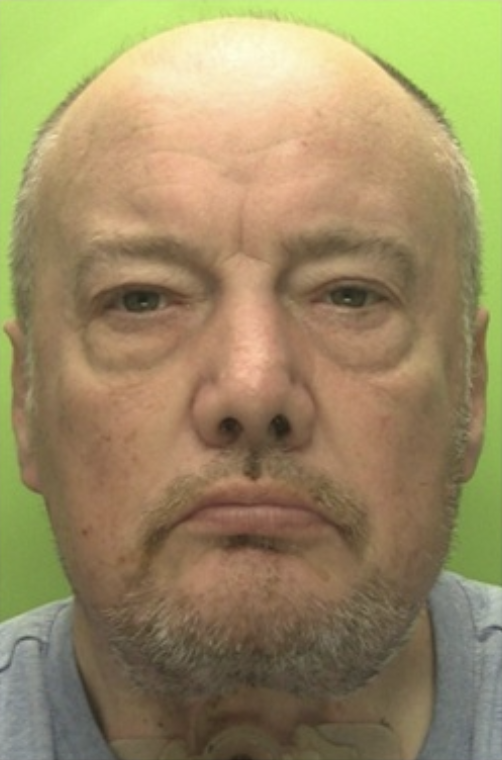
    PICTURED: Michael James (IMAGE: Notts Police)

    In April 2021, he was jailed for two-and-a-half years for sending his probation officer a video of a sex act and committing an act outraging public decency at a bus stop in Nottingham.

    Upon his release, he was made subject of a prevention order with 11 strict conditions, with one stating he “must not delete any electronic messages from any electronic communication device without the express permission of a representative of the Chief Constable for the respective police area”.

    On November 21 last year, officers visited his address after it was reported he had sent a threatening and offence message into BBC Radio Nottingham that had been racially aggravated and aimed at one of the station’s presenters.

    He was arrested and taken into custody, where checks found he had deleted a number of WhatsApp messages sent to the radio station from his device.

    James, of Frobisher Gardens, Daybrook was subsequently charged with sending a communication threatening death or serious harm and breaching a Sexual Harm Prevention Order.

    He pleaded guilty to both offences and was jailed for 40 weeks after appearing at Nottingham Crown Court on Tuesday (17).

    Sergeant Elizabeth Williams, of Nottinghamshire Police, said: “James has an appalling criminal record and had multiple spells behind bars.

    “As a result, he is on the sex offenders register for life and made subject of a Sexual Harm Prevention Order, which are designed to protect the public from individuals like James.  

    “As he has just found out to his cost, these orders have real teeth, and the courts take a very dim view of those who flout them in any way.

    “The judicial system has also made it clear that the right to freedom of expression does not extend to sending grossly offensive and threatening messages and the abuse James subjected the presenter to was simply unacceptable.

    “I am pleased James is back behind bars and he should be in no doubt about what will happen to him if he commits any further offences of this kind in the future.”

    Gedling MP joins fight to save Arnold Wetherspoons following news of possible closure

    Gedling MP Michael Payne has joined the fight to save an Arnold pub after staff got in touch to share fears about its future.

    Mr Payne took to social media over the weekend to share the news that The Ernehale pub is facing the threat of being sold and closed by owners Wetherspoons.

    He has now written a letter to brewery bosses calling for a meeting to discuss their proposed closure plans and ‘explore any alternatives to avoid the closure’.

    PICTURED: Gedling MP Michael Payne

    The MP said: “Losing Arnold’s Wetherspoons would result in job losses for local families, leave yet another vacant building in the heart of Arnold and our local community would lose an affordable venue where many elderly residents come together to meet friends.

    “I’ve now written to the Chairman and Chief Executive of JD Wetherspoon plc urging them to reconsider any decision to sell off and close The Ernehale in Arnold.”

    The MP has also created a petition and has called on the public to back the campaign to save the pub from shutting its doors for good.

    He wrote: “Let’s send a strong message from Arnold’s community to JD Wetherspoon plc urging them to reconsider their decision and keep Arnold’s Wetherspoons open.”

    Click here to sign the petition https://c.org/XMRtmbck7N

    Wetherspoons has been approached for comment.